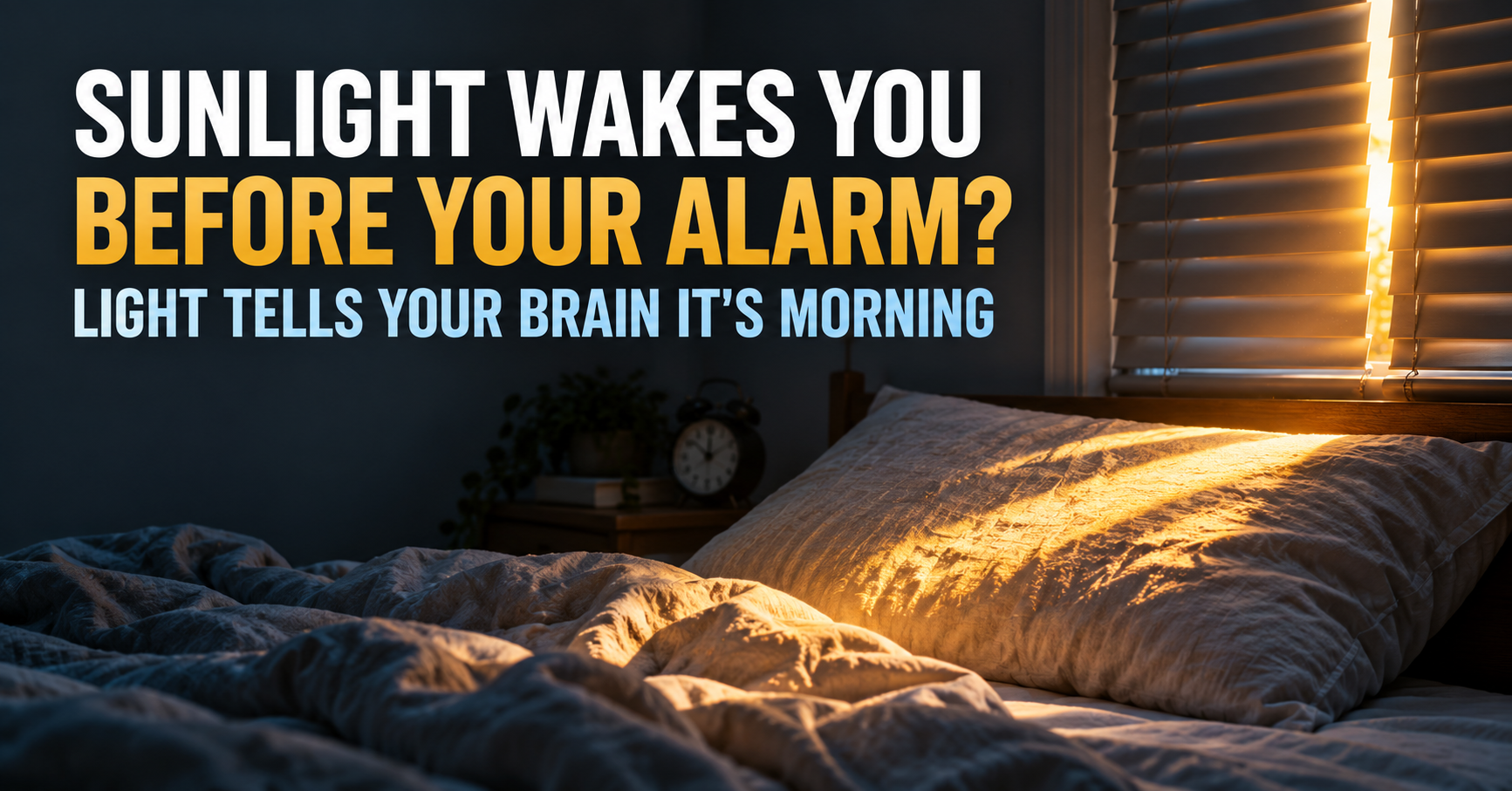
Waking Up at 3AM Every Night? This Finally Stopped It

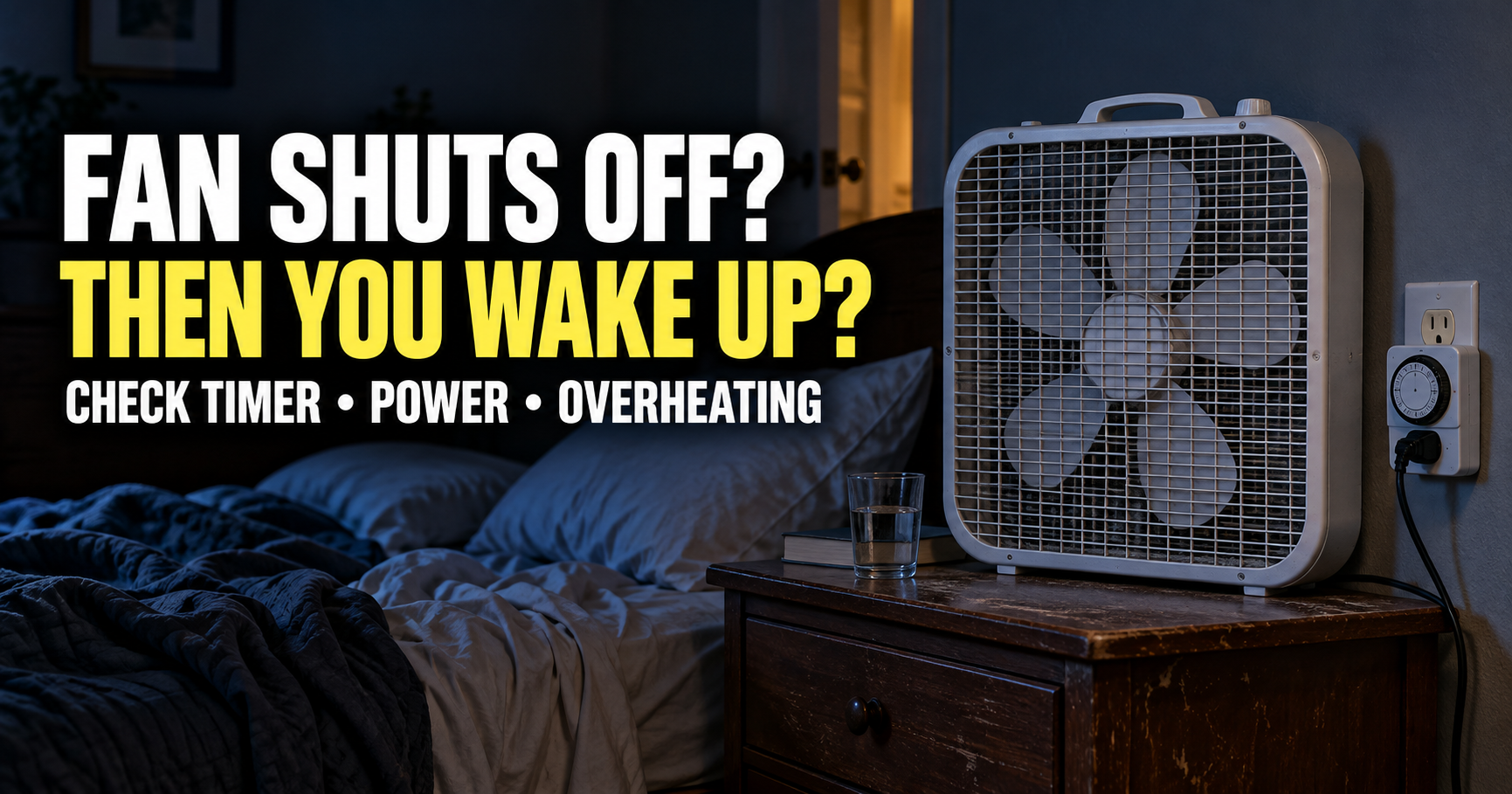
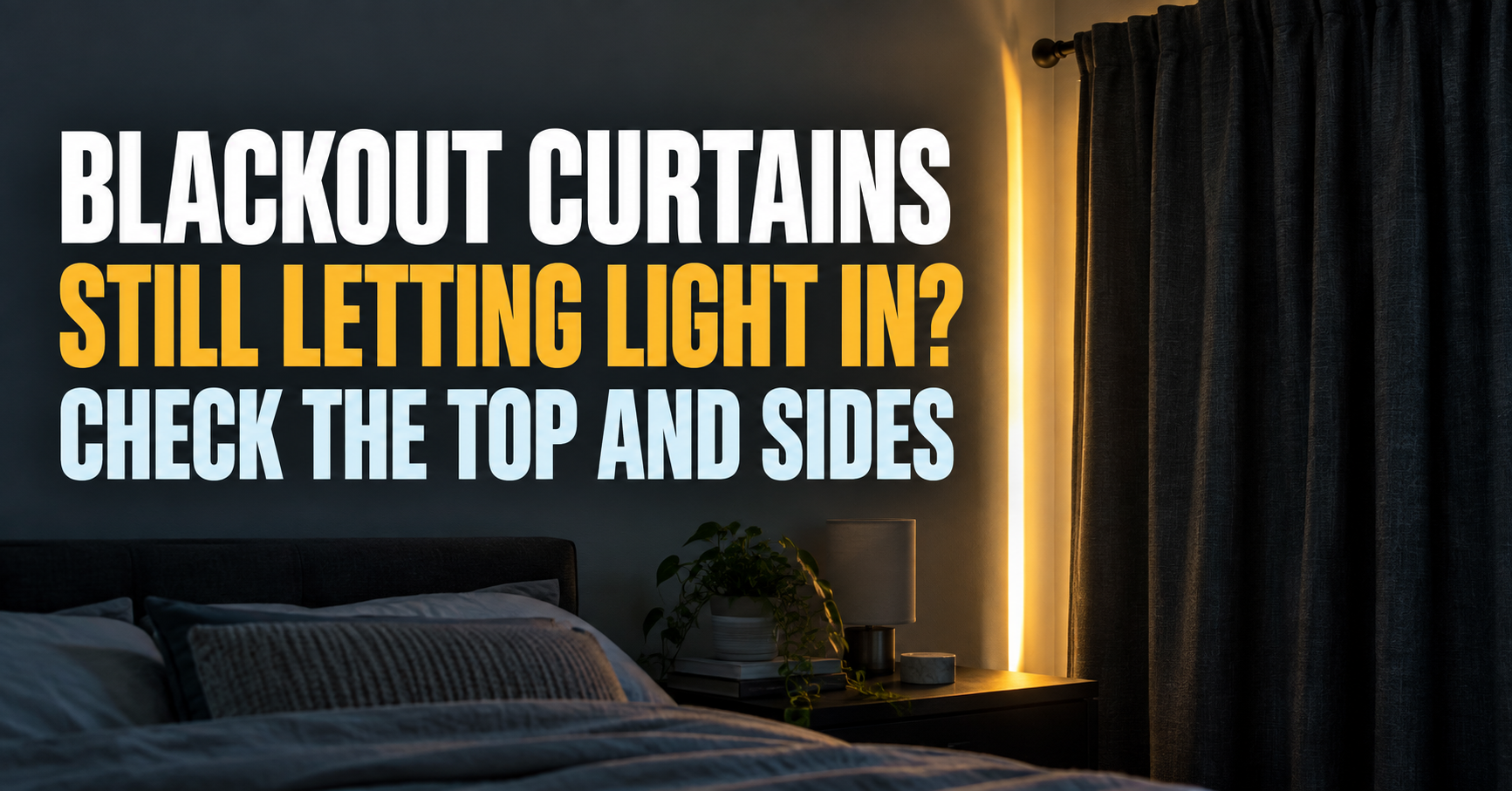
Late dinners, alcohol after 8PM, phone scrolling, stray light, and temperature swings all showed up in the author’s 3AM wake-ups. A fan, blackout curtains, a 64, 66°F room, and a simple 12-minute reset finally made those nights rare instead of routine.

Is It Better to Sleep in a Cold Room? This Might Surprise You

A room around 65°F helped me fall asleep faster and stop waking up sweaty, but cranking the thermostat toward Arctic temperatures backfired. The real trick is pairing cool air with breathable bedding, controlled humidity, and layers you can adjust.

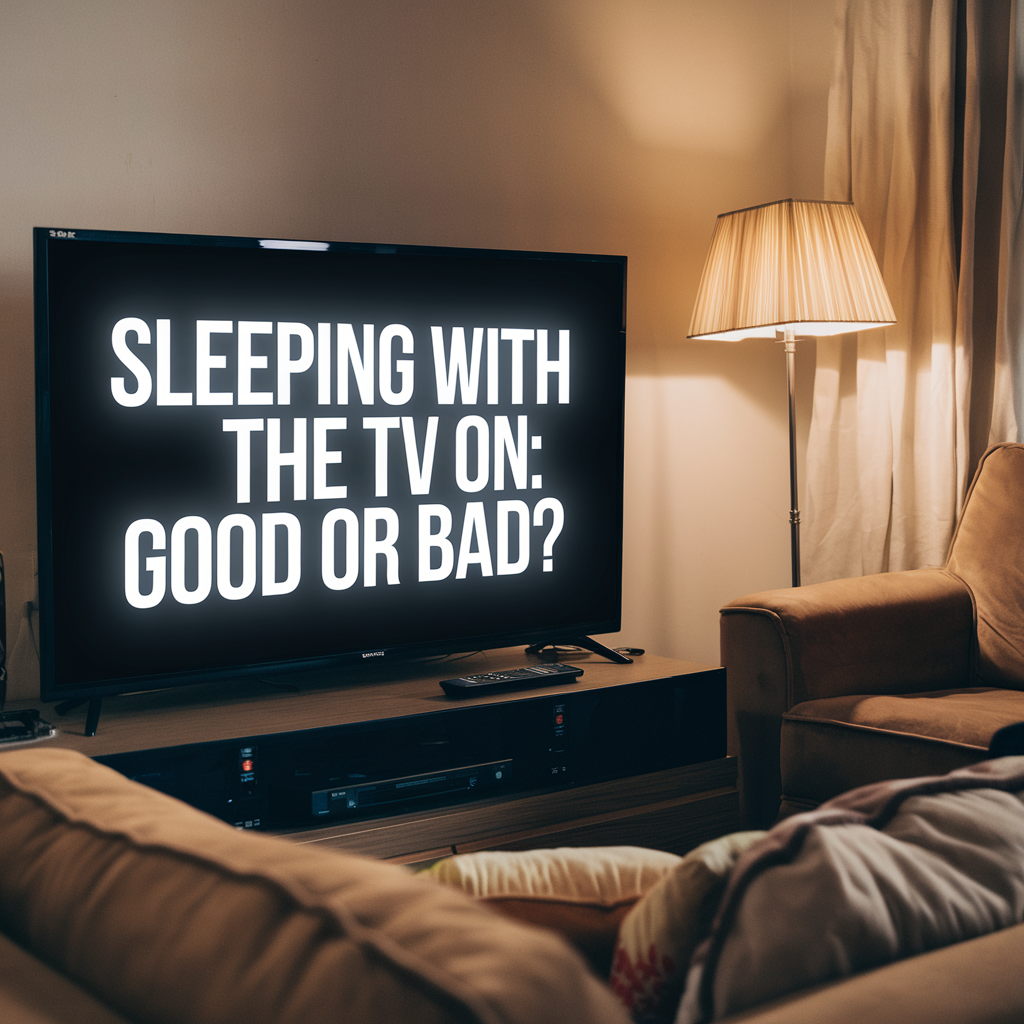
Sleeping With TV On? Here’s Why It Might Be Ruining Your Sleep

That familiar TV glow may be keeping you in lighter sleep, suppressing melatonin, and triggering tiny awakenings you never remember. The practical fix is not suffering through silence, but using a sleep timer, white noise, blackout curtains, and a calmer wind-down routine.

Why Bedroom Temperature Swings Are Wrecking Your Sleep

Waking up at 3AM shivering or throwing off the covers may have less to do with stress than your thermostat holding one setting all night. Tracking those swings led to an automated schedule, layered bedding, blackout curtains, and steadier sleep.

How to Stay Warm at Night Without Sweating

The fix for feeling cold and sweaty is not piling on thicker blankets. A cool room, breathable sleepwear, lighter bedding layers, steady airflow, and humidity around 40, 50% can keep you warm without turning your bed into a sauna.

Best Temperature for Sleep: What Science (and Experience) Says

Setting the thermostat to 65°F about 30 to 60 minutes before bed may do more for restless sleep than piling on heavier blankets. This practical guide explains the 60 to 67°F range, seasonal adjustments, airflow, breathable bedding, and small temperature tweaks.

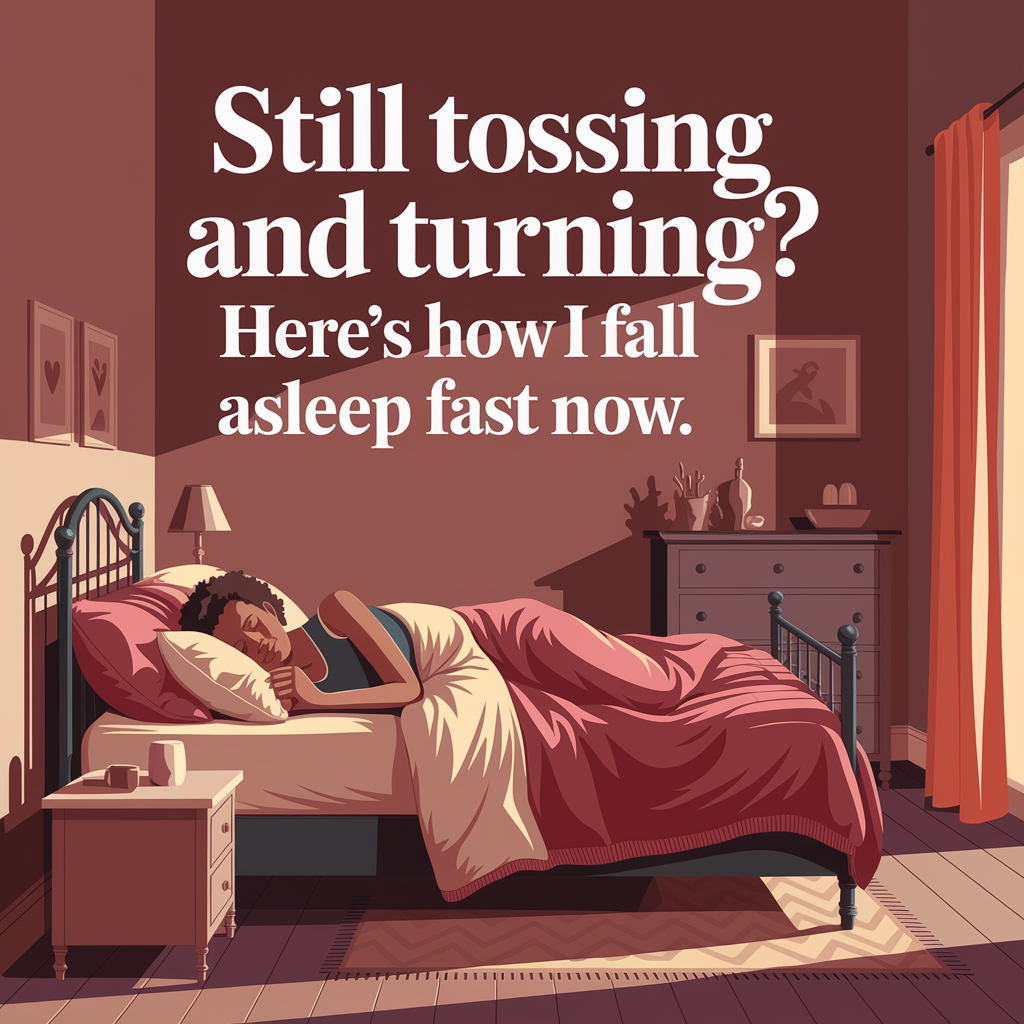
Still Tossing and Turning? Here’s How I Fall Asleep Fast Now

My fastest sleep fix turned out to be less about one miracle trick and more about stacking small signals, including a 65°F room, blackout curtains, no screens, slow breathing, and the same short routine. Together, they made bedtime feel automatic instead of stressful.

What If I Can’t Sleep During A Sleep Study Test?

You do not need a perfect night for a sleep study to work. Even a few hours can reveal breathing and movement patterns, while simple fixes like adjusting the room temperature, bringing your own pillow, and using slow breathing can make the lab easier.

How Sleep Apnea Can Kill You and What Happens If You Ignore It

Breathing pauses during sleep can repeatedly drop oxygen, strain the heart, and raise the risk of high blood pressure, stroke, diabetes, cognitive decline, and sudden cardiac events. Learn which bedtime habits make apnea worse and why a sleep study matters.

Is Stress Keeping You Awake?

When stress disrupts cortisol rhythms, restful sleep can become elusive rather than simply shorter. The piece examines adrenal fatigue as a possible reason for restless nights and the balance-focused approach it offers for reclaiming more peaceful sleep.

Learn How We Sleep Better & Saved $30 A Month!

A smart WiFi thermostat pulled double duty in our bedroom by keeping nighttime temperatures cooler while trimming $30 from our monthly electric bill. We explain how we made the switch and why the approach works so well.

This Fan Helps Me Sleep Like a Rock

The right fan does more than cool the room. Its steady hum helps quiet a busy brain at bedtime, while the wrong models miss the mark. This breakdown explains what makes the difference.

Can the Right Fan Improve Your Sleep?

A fan can do more than move air at bedtime. The right one may provide soothing white noise while improving airflow, making it a practical sleep aid.

Can A Fan Help Me Sleep Better?

A fan may help turn bedtime into a more soothing experience, making the room feel conducive to restful sleep. The article looks at how that simple nighttime habit can benefit sleep.

This WiFi Thermostat Changed How We Sleep and Saved Us Money

A thermostat that changes the temperature at bedtime, 4AM, and morning can do more than stop the midnight thermostat shuffle. After eight years with the Sensi ST55, this setup helped reduce wakeups, keep comfort steady, and trim energy use without sacrificing comfort.