I can’t sleep without a fan. I like the sound, I like the air moving, and turning it off to test a theory would probably keep me awake longer than the dry mouth does.
But my mouth gets dry every day, including during the night. I keep a drink on my nightstand because I know I’ll reach for it. My choice is milk. Yes, milk. I’d rather be honest about what I actually drink than pretend I have a perfect glass of water waiting there every night.
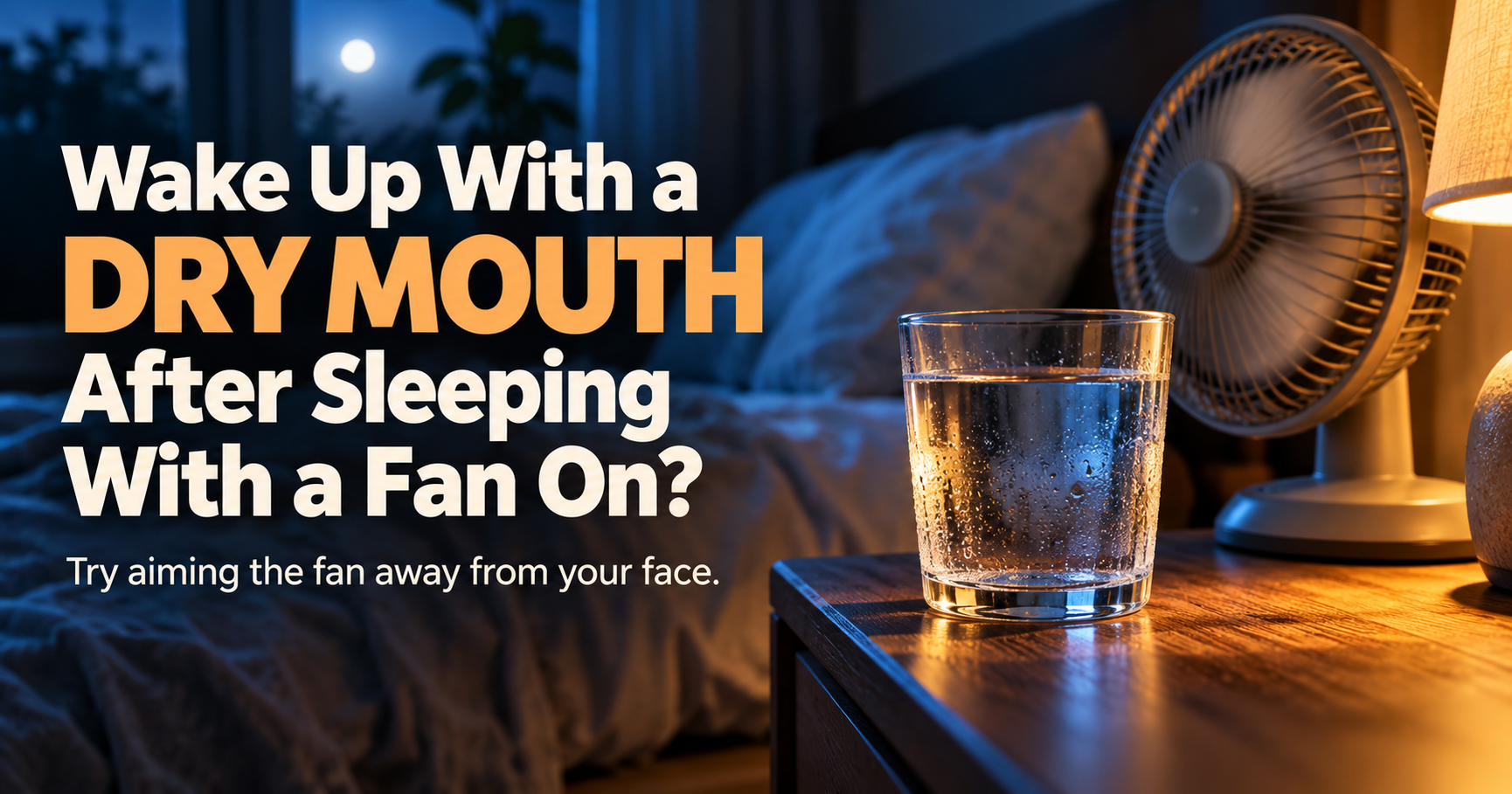
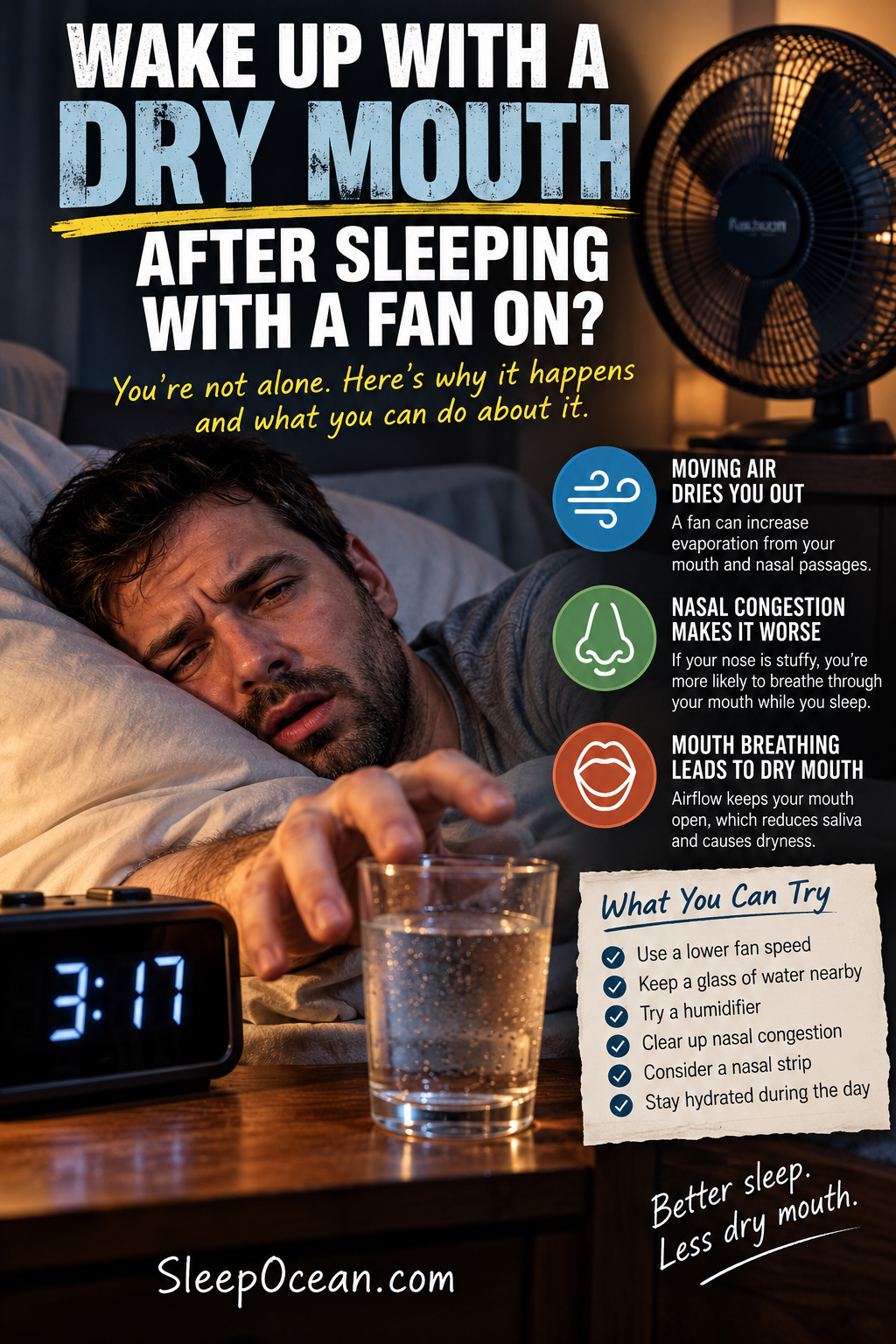
Can sleeping with a fan on give you a dry mouth? It may contribute, especially if it blows across your face or you breathe through your mouth while sleeping. But the fan is only one possible piece of it. If you also have a dry mouth during the day, as I do, I would not blame the entire problem on bedroom airflow.
The useful question is what changes when the fan moves, your nose gets stuffy, or you sleep somewhere else. Those clues can tell you what to try next.
First, I’d Move the Fan Without Turning It Off
If you depend on a fan to sleep, the easiest test is to keep it running and change where the air goes. You still get the sound you’re used to, but the breeze no longer points straight at your face.
For a few nights, I’d try this:
- Night one: Leave your setup as usual and notice where you feel the air while lying in your normal position.
- Night two: Aim the fan across the room or toward a wall instead of at your pillow.
- Night three: Keep that new direction and see whether your mouth feels any different when you wake.
I would change the direction before buying another fan, adding a humidifier, or changing the bedroom temperature. If the dryness improves while the fan still runs, direct airflow may have been part of the problem.
If nothing changes, that matters too. The fan may be easy to notice simply because it is on all night, while the real cause needs a closer look.

A Fan Moves Air, but It Does Not Explain Every Dry Mouth
A fan circulating air across my face could make my lips or mouth feel drier, particularly if I sleep with my mouth open. I’d be more suspicious of direct airflow if I wake with dry lips, a scratchy throat, and that uncomfortable dry feeling is worse on the side facing the fan.
Still, I would compare nights, not assume. Does the same thing happen in a hotel without a fan? Does my mouth get dry while I’m working during the day? Do I wake dry even when the fan points away from the bed?
For me, the daytime dryness is an important clue. A bedroom change may help me sleep more comfortably, but it probably will not explain a symptom that follows me out of the bedroom.
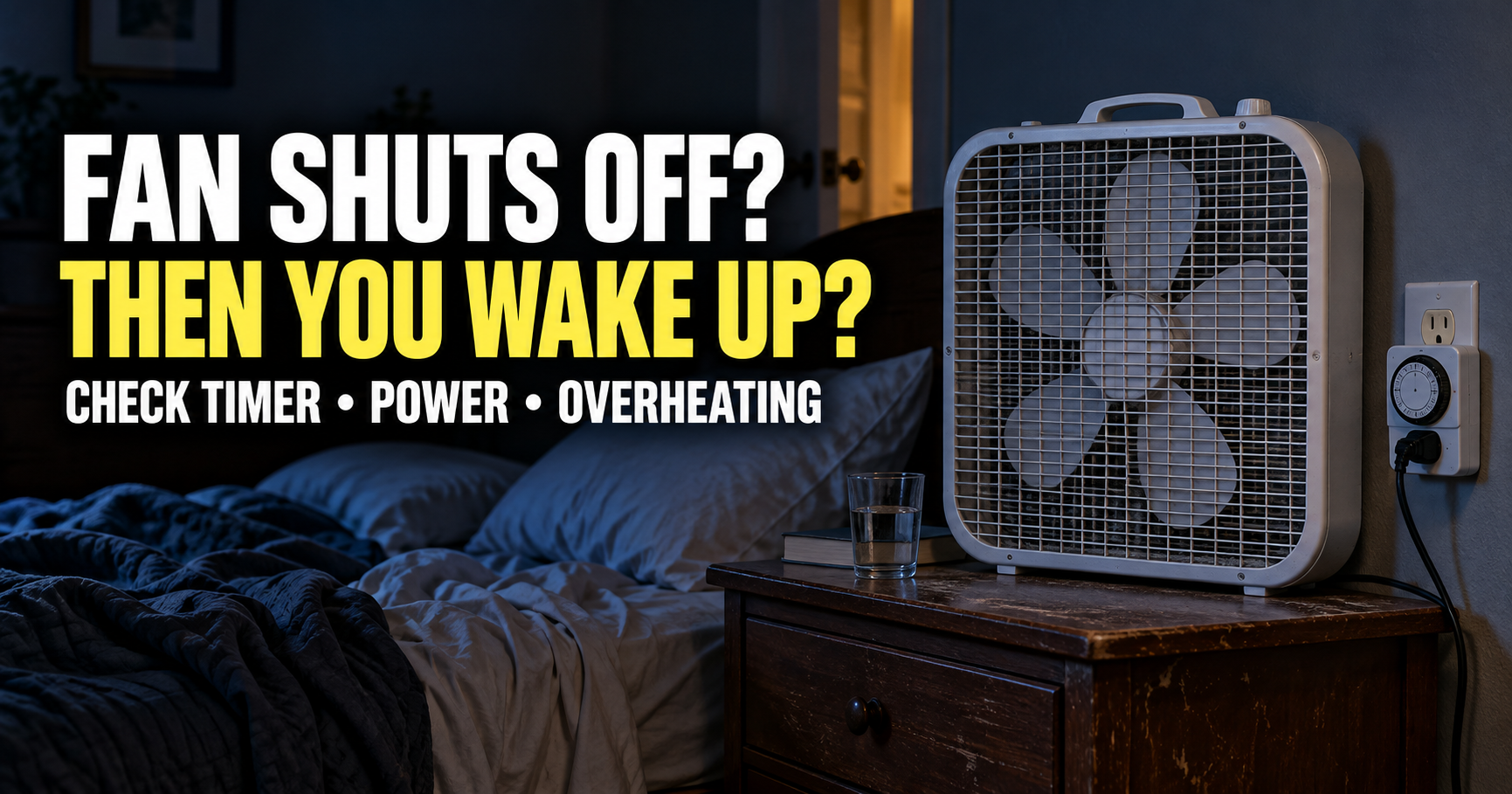
If the fan stops during the night and that wakes you, there is another pattern to check. In why I’d look at the sound and airflow when a fan turns off, I separate losing the breeze from losing the noise. A person who needs the fan’s sound may be able to point it away from the bed without losing what helps them fall asleep.

The Nose Is the Next Place I’d Look
I can have a fan running and still wake with a dry mouth because I spent part of the night breathing through it. A blocked nose or sleeping with the mouth open can contribute to nighttime dry mouth, according to the NHS. If nighttime congestion is part of the pattern, nighttime sinus pressure may help explain why mouth breathing becomes more likely during sleep.
I’d ask myself what happens on the nights my nose is stuffy:
- Do I wake with my mouth open?
- Is my nose blocked on one side when I lie down?
- Do allergies or a cold make the dryness worse?
- Has anyone told me I snore?
- Do I wake needing a drink even when the fan is aimed elsewhere?
Those answers are more useful than deciding that every fan is bad for sleep. If I can breathe comfortably through my nose at bedtime but wake congested, I would make a note of that timing.
I would not tape my mouth shut to force nasal breathing, especially if I’m congested or might have a breathing problem during sleep. I’d address the reason my nose is blocked and bring persistent symptoms to a healthcare professional.
For nights when congestion is the bigger problem, how a stuffy nose can keep you awake is a better starting point than rearranging the fan again.
I’d Check Whether the Bedroom Air Is Actually Dry
“Dry mouth” and “dry room” sound like they should always go together. They do not. I would measure the room before deciding I need a humidifier.

A small humidity meter can show whether my bedroom is much drier at night than it feels during the day. I’d place it away from the fan, window, and vent, then check it at bedtime and when I wake. That is especially useful during heating season, when the room may feel different from summer. An indoor humidity monitor can make those bedtime and morning comparisons easier to track.
If the room is dry, changing the air may improve comfort. But I would still pay attention to daytime symptoms and whether I sleep with my mouth open. A humidifier cannot tell me why my mouth is dry all day.
If the reading shows the opposite problem and the room feels damp or clammy, why a bedroom feels humid at nightcovers that side of the sleep environment. I would want an actual reading before adding moisture to an already humid room.
The Drink on My Nightstand Helps in the Moment
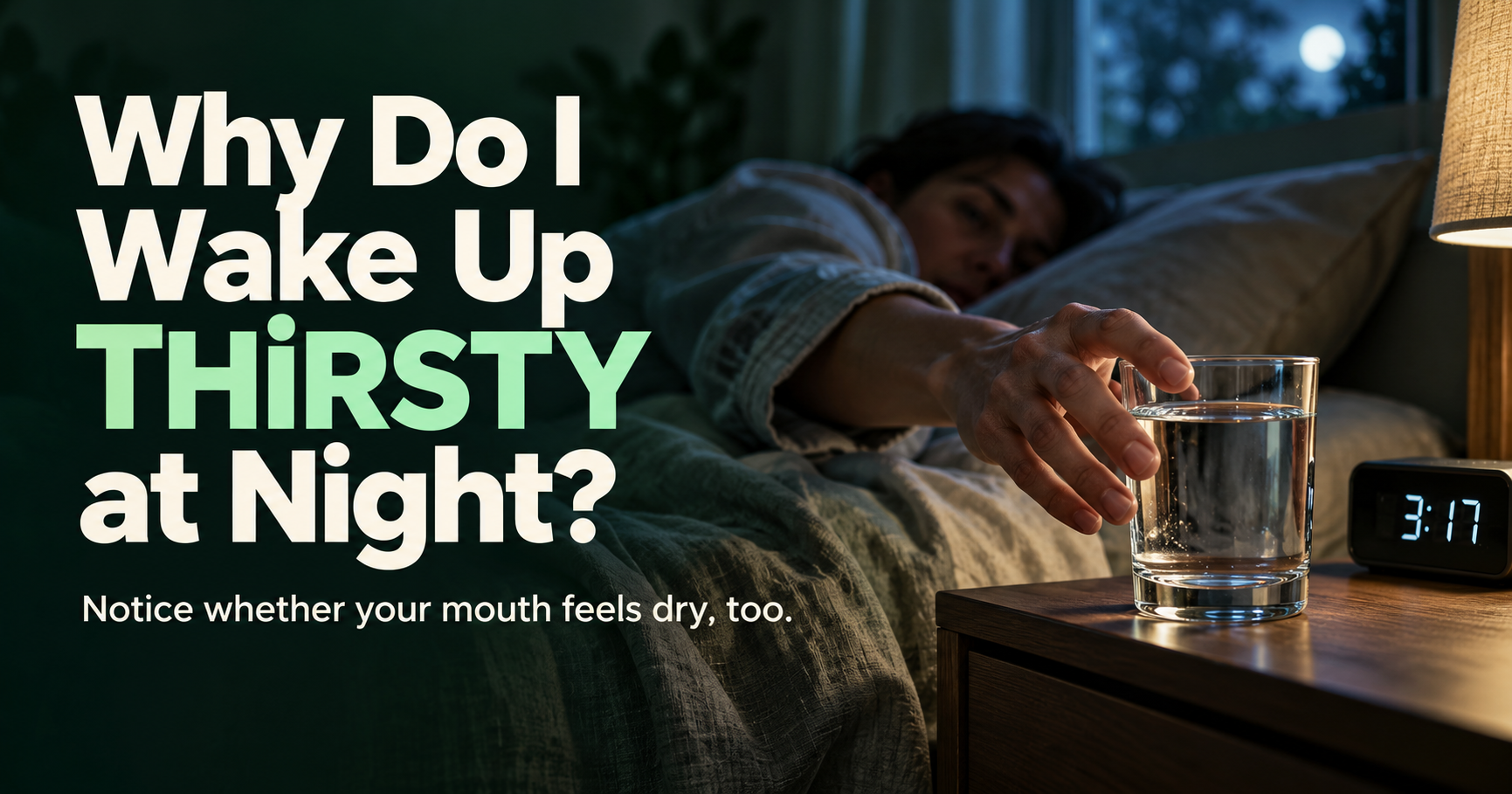
I keep milk within reach because when I wake up with a dry mouth, I want a drink right then. That is my real routine. It helps with the immediate discomfort, but needing that drink night after night tells me the underlying dryness is still there.
For an overnight drink, water is the simpler choice for my teeth, especially after brushing. Dry mouth itself raises the risk of cavities because saliva helps protect the mouth, and dental guidance commonly recommends sipping water to ease dryness.
I’m not going to pretend I suddenly stopped liking milk. I would, however, keep water beside it and pay attention to how often I’m sipping milk after I’ve brushed my teeth. That is a practical dental question to bring up if I’m waking to drink regularly.
A drink can relieve a dry mouth for a while. If the dryness is happening every day, I would want to know why I need the drink so often.
If My Mouth Is Dry During the Day, I’d Look Beyond the Fan
This is the part of my own pattern that makes the fan question more complicated. The fan runs at night. My dry mouth does not stay confined to nighttime.
The National Institute of Dental and Craniofacial Research lists several possible causes of dry mouth, including medication effects and health conditions that affect saliva production. The NHS also lists dehydration and mouth breathing among possible causes. None of those can be sorted out just by feeling the air from a bedroom fan.
I’d make a short list before an appointment:
- When the dryness started: Has it always been this way, or did I notice a change?
- When it is worst: On waking, all day, after a particular medicine, or when my nose is blocked?
- What else happens: Dry eyes, trouble swallowing dry food, a burning mouth, more cavities, or frequent thirst?
- What I take: Prescription medicines, over-the-counter allergy medicine, and supplements.
I would not stop or change a prescribed medication on my own. I’d ask the clinician or dentist whether one of my medicines could be contributing and what options make sense.
Snoring Changes the Question
A dry mouth by itself does not mean someone has sleep apnea. But if I also snored loudly, woke up gasping, or someone noticed pauses in my breathing, I would not treat the fan as the full explanation. The National Heart, Lung, and Blood Institute lists dry mouth among possible sleep apnea symptoms, along with breathing that starts and stops and frequent loud snoring.
That combination deserves a conversation with a healthcare professional. I would tell them what I notice on waking and what anyone sharing the room has noticed during the night.

We also have a guide on waking up gasping for air if the issue is more than thirst or a dry tongue. That is a different question from where to aim a fan.
What I’d Actually Try This Week
I like a test that lets me keep sleeping normally. Turning my fan off for a week would not be realistic for me, so I would start with changes that keep the sound and routine I rely on.
- Aim the fan away from my face for three nights. Keep its speed and the rest of my bedroom setup the same.
- Notice whether my nose is clear at bedtime and when I wake. Write down the nights I wake congested or with my mouth open.
- Check the bedroom humidity instead of guessing. Compare a bedtime reading with a morning reading.
- Keep a drink nearby, but track how often I need it. Is it once on waking or several times through the night?
- Pay attention to the daytime dryness. If it continues regardless of the bedroom setup, bring that pattern to my dentist or healthcare professional.
The key is to change one thing at a time. If I move the fan, run a humidifier, change allergy medicine, and switch drinks all on the same night, I will have no idea what helped.
When I’d Bring It Up With a Dentist or Doctor
Because my mouth feels dry every day, I would not wait for a perfect fan experiment before mentioning it at a dental or medical visit. Persistent dry mouth can affect eating, speaking, and oral health, including cavity risk. A dentist or clinician can ask about symptoms and medications and check for causes that a bedroom test cannot identify. For context on how SleepOcean approaches health questions, see the SleepOcean’s health-question FAQ.
I would speak up sooner if the dryness comes with mouth sores, difficulty swallowing, a noticeable increase in thirst or urination, or loud snoring and breathing pauses. Those details help point the conversation in the right direction.
I can still keep my fan. The goal is to find out which part of the dryness belongs to my sleep setup and which part follows me through the day.
Questions About Sleeping With a Fan and Waking Up Dry
Can a fan cause dry mouth if it is not pointed at my face?
It may still affect how the room feels, but I would look harder at mouth breathing, congestion, medications, and daytime symptoms if changing its direction makes no difference. The fan test is a clue, not a diagnosis.
Should I stop sleeping with a fan?
I would first try pointing it away from the bed or lowering its speed. I know I have trouble sleeping without that sound, so keeping the fan on while changing the direct breeze is a more useful test for me.
Why is my mouth dry even when I drink during the night?
Drinking can ease the feeling temporarily without resolving what is causing it. If the dryness happens every day or keeps interrupting sleep, tell a dentist or healthcare professional when it occurs and what else you notice.
Is it bad that I keep milk beside my bed?
Milk is what I reach for, but water is a sensible overnight option after brushing, particularly when dry mouth already makes dental care more important. I’d mention my nighttime drinking habit at my next dental visit rather than assume the drink is treating the cause.
Can I use brown noise instead of a fan?
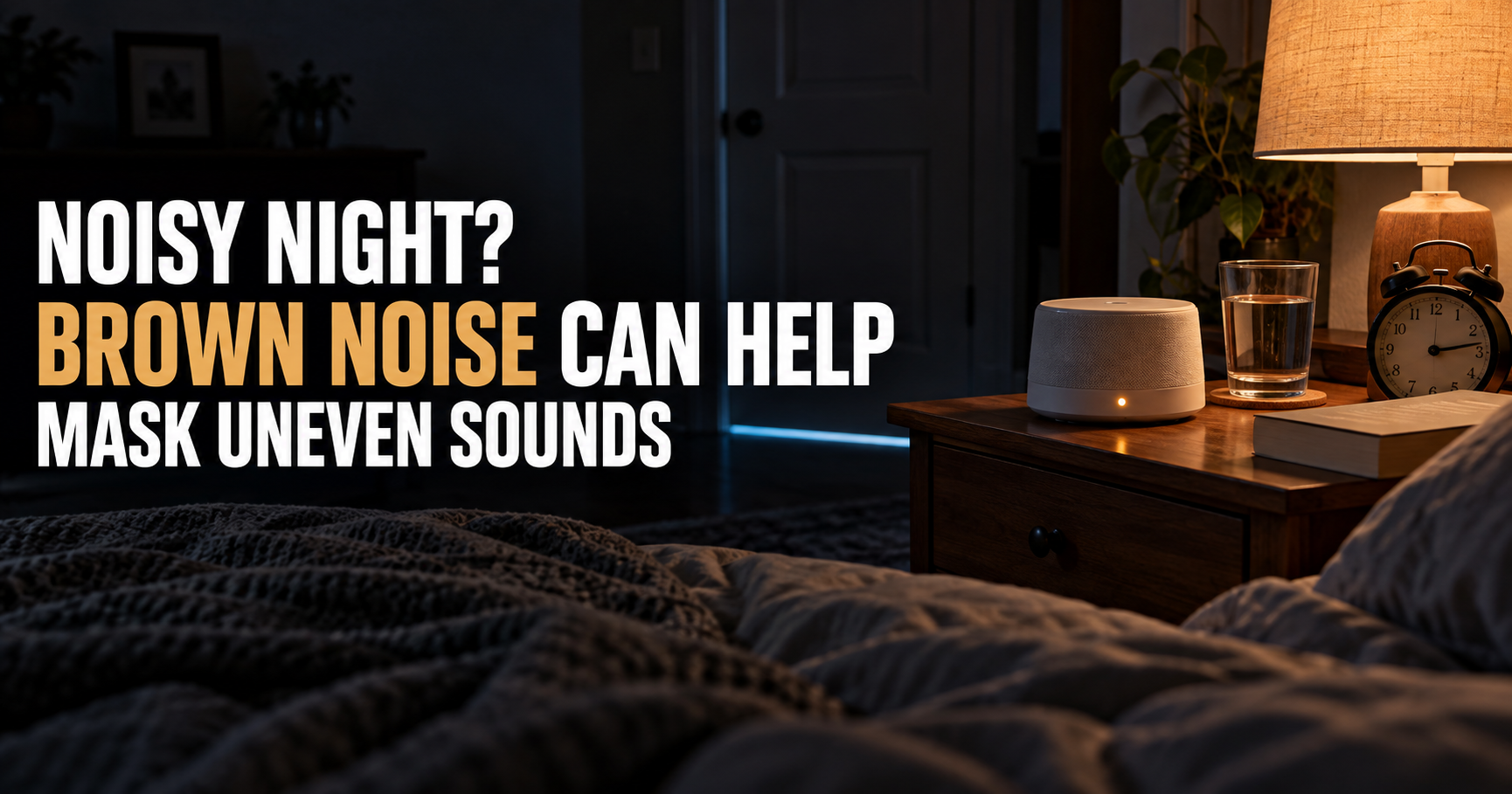
If I only needed the sound, I could try it. Brown noise for a noisy bedroom offers a way to test steady background audio without air blowing toward the bed. I’d still keep an eye on the daytime dry mouth, because changing the sound would not explain that part.
About Nora Whitcomb: Nora writes practical sleep guides for Sleep Ocean, using specific nighttime patterns and small changes readers can test in their own bedrooms. This article includes the reader’s firsthand account of sleeping with a fan and keeping milk on the nightstand.
As an Amazon Associate we earn from qualifying purchases through some links in our articles.