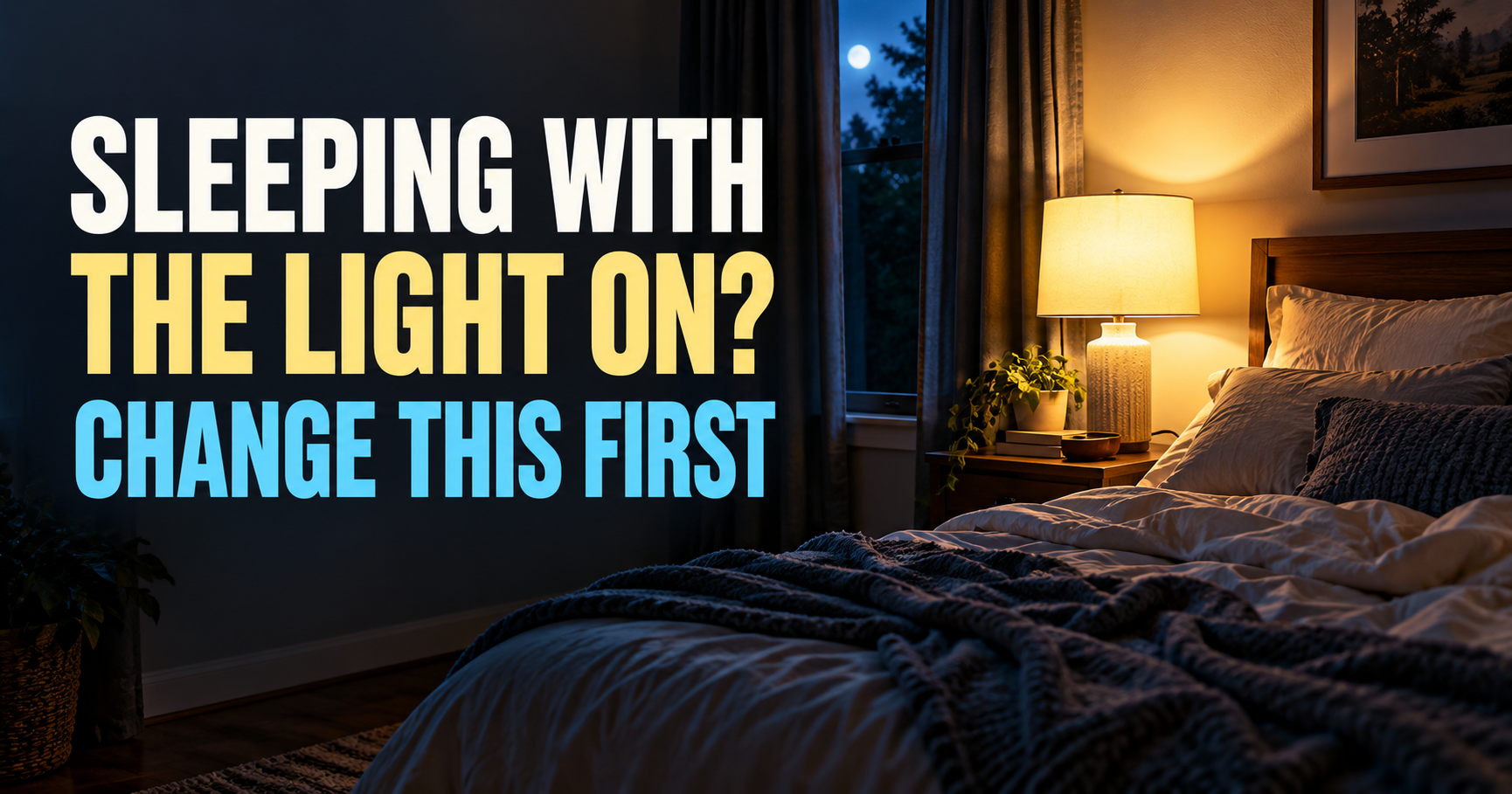
If you sleep with the lights on, you do not need someone to tell you that darkness is better and leave it at that. You need to know whether your light is likely to matter and what to do if you need it.
My practical answer is this: turn off a lamp or TV that shines into the bedroom while you sleep. If you need light to feel comfortable or find the bathroom, keep it dim, low, and out of your direct line of sight. Those are very different setups, even though both get described as “sleeping with the lights on.”
I would start by looking at the actual room. A glowing clock beside the bed, a hallway light spilling under the door, and an overhead light left on all night should not be treated as the same problem.
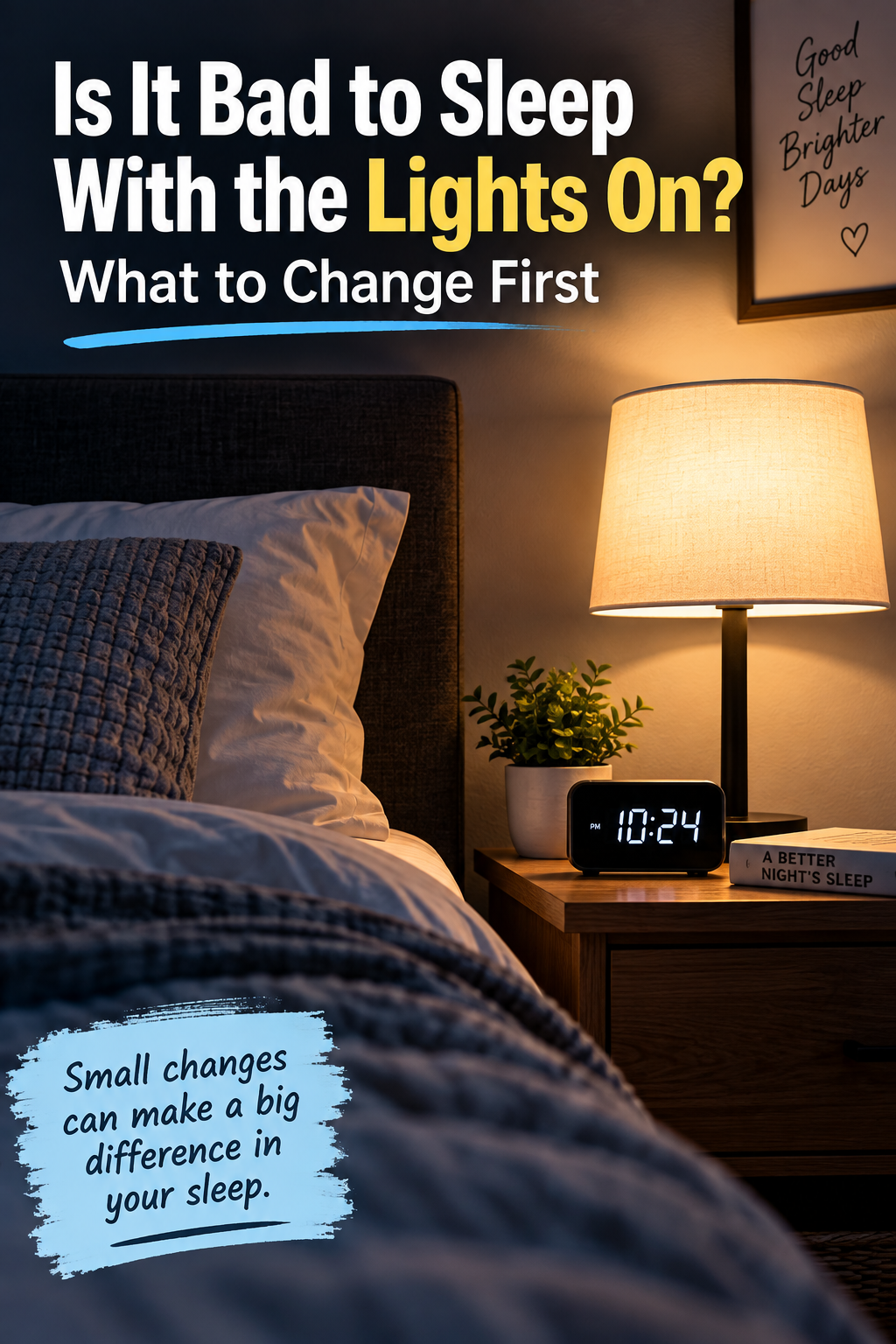
Is it bad to sleep with a light on?
A dark bedroom is generally a good starting point for sleep. Light helps your body keep track of day and night, and a bright room can make it harder to settle down or stay asleep. The CDC recommends a very dark sleep environment, while also recognizing that people need a safe way to get up during the night.
That does not mean one tiny light guarantees a bad night. If you are wondering whether light is part of your sleep problem, ask a more useful question: What can I see from the pillow when the room is supposed to be dark?
If you can easily see the lamp, make out the TV screen, or watch a bright hallway light spread across the bed, I would address that first. If you can barely see a small night light close to the floor, I would be less concerned about that than the larger sources.

Check your bedroom from where you actually sleep
This takes about a minute and tells you more than a long list of sleep rules.
At bedtime, turn off the lights you normally turn off, then lie down in your usual position. Give your eyes a moment to adjust. Look for light that falls across your face, reflects off a wall, or catches your attention every time you open your eyes.
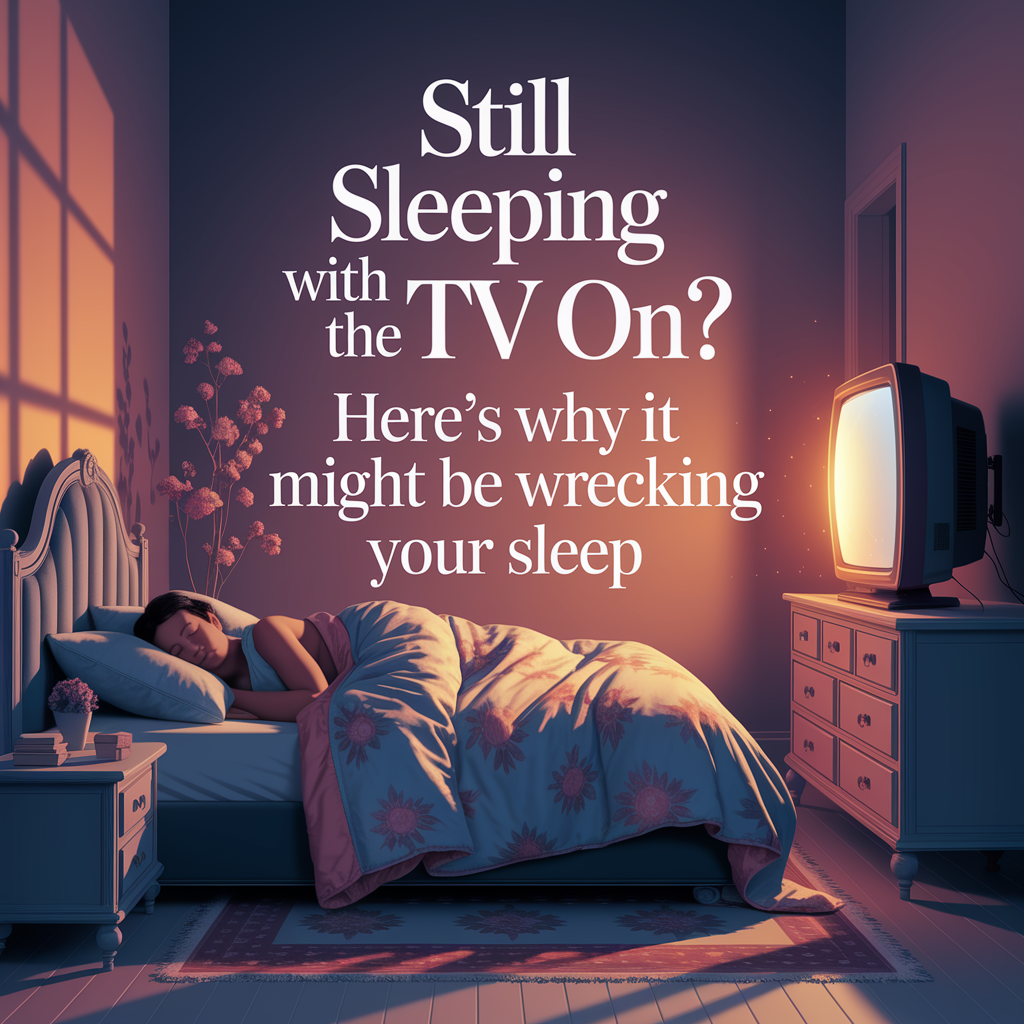
I would check the TV first. A screen that changes brightness from scene to scene can keep drawing your attention, and its sound may disturb you too. If falling asleep with the TV on is the habit you are trying to change, my article about sleeping with the TV on goes deeper into that specific problem.
Next, look for the less obvious sources: a bright clock display, a charger light beside your head, a bathroom light shining through the doorway, or streetlights coming through the window. You may find that the light you call your “night light” is not the brightest thing in the room.

Start with the light that is easiest to fix
I would not buy blackout curtains before checking whether a lamp or screen is the real issue. Start with the simplest change that removes the most noticeable light.
Turn the bedside clock away from you. Put a phone facedown or move it farther from the bed. Close the bathroom door if its light reaches your pillow. If the hallway light is for navigation, see whether a small light along the route gives you enough visibility without lighting up the whole bedroom.
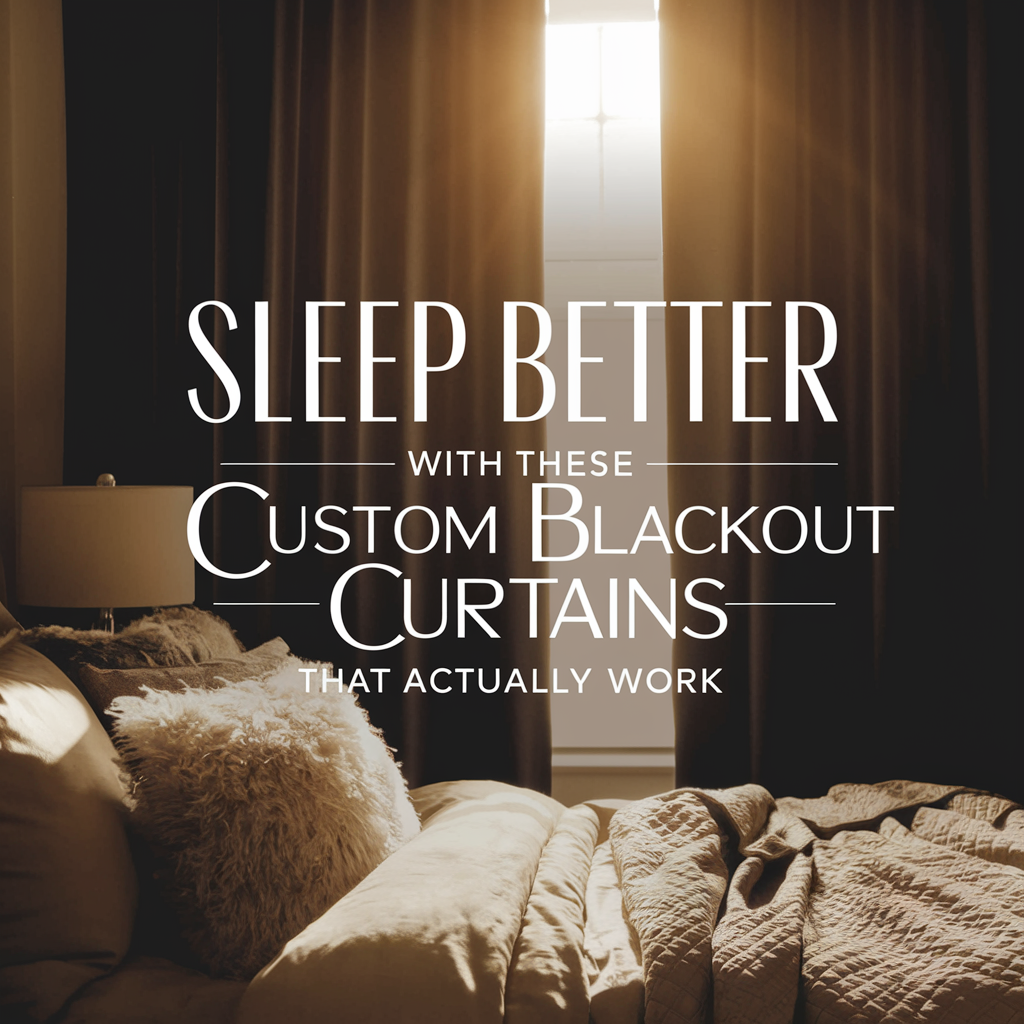
When outside light comes through the window, curtains or shades may help. Pay attention to the edges, since that is often where porch lights and early morning sunlight still get in. If you are dealing with that particular problem, I have a separate look at blackout curtains for sleep.
The point is to solve the light you can identify, then see whether the change makes a difference. You do not need to overhaul the whole bedroom in one night.
What if you need a night light?
Keep one if you need it to walk safely, care for someone, or feel comfortable enough to fall asleep. I would choose the lowest light that does the job and place it near the route you need to see, rather than beside your face.
CDC guidance suggests a dim red night light for someone who needs to get up to use the bathroom. It also recommends keeping the path clear. That is a sensible combination: enough visibility to avoid a fall, without turning the bedroom into a bright room each time you get up. A safer nighttime route starts with the same basics covered in safe ways to get out of bed.
I would test the placement before worrying about the exact product. A light aimed across the floor may be more useful than one shining straight at the bed. If you can read comfortably by it from your pillow, it is probably brighter than you need for finding the bathroom.


What if darkness makes you anxious?
There is no prize for forcing yourself to lie awake in a room that feels frightening. Start where you are comfortable and change one thing at a time.
You might switch from an overhead light to a lamp, then try a dimmer light farther from the bed. Or you might keep a small light for the hallway while making the bedroom itself darker. Give each setup a few nights before deciding whether it helps.

Light may also be only part of the issue. If your thoughts start racing as soon as the room gets quiet, turning off a bulb will not answer everything going on at bedtime. I wrote more about anxiety that keeps you awake at night.
Try one change for a few nights
If I wanted to find out whether bedroom light mattered, I would keep the experiment simple. I would leave my bedtime about the same, change one light source, and note three things in the morning: whether I had trouble falling asleep, whether I remember waking during the night, and how I felt when I got up.
This is a way to notice a pattern, not a medical test. Sleep can change from night to night for plenty of reasons, including stress, noise, room temperature, and how much time you allow for sleep. If one darker night goes well, I would not claim the light was the entire answer. If several nights feel better after the same change, I would keep it.
And if you regularly struggle to sleep or still wake up exhausted after addressing the room, talk with a healthcare professional. The CDC recommends getting help for ongoing sleep problems or possible signs of a sleep disorder.
The setup I would aim for
I would want the bedroom dark enough that a lamp, TV, or bright display is not shining toward the bed. I would block outside light if it reaches my pillow. And if I needed to get up, I would keep a clear path with a small, dim light where it helps me walk safely. If outside light is the main problem, ChrisDowa blackout curtains in your custom size may be worth considering after you identify the window that needs coverage.
That is a better goal than trying to prove you can sleep in perfect darkness. Check what is actually lighting up your room, fix the biggest source first, and keep the light you genuinely need.
What if the light is coming from outside?
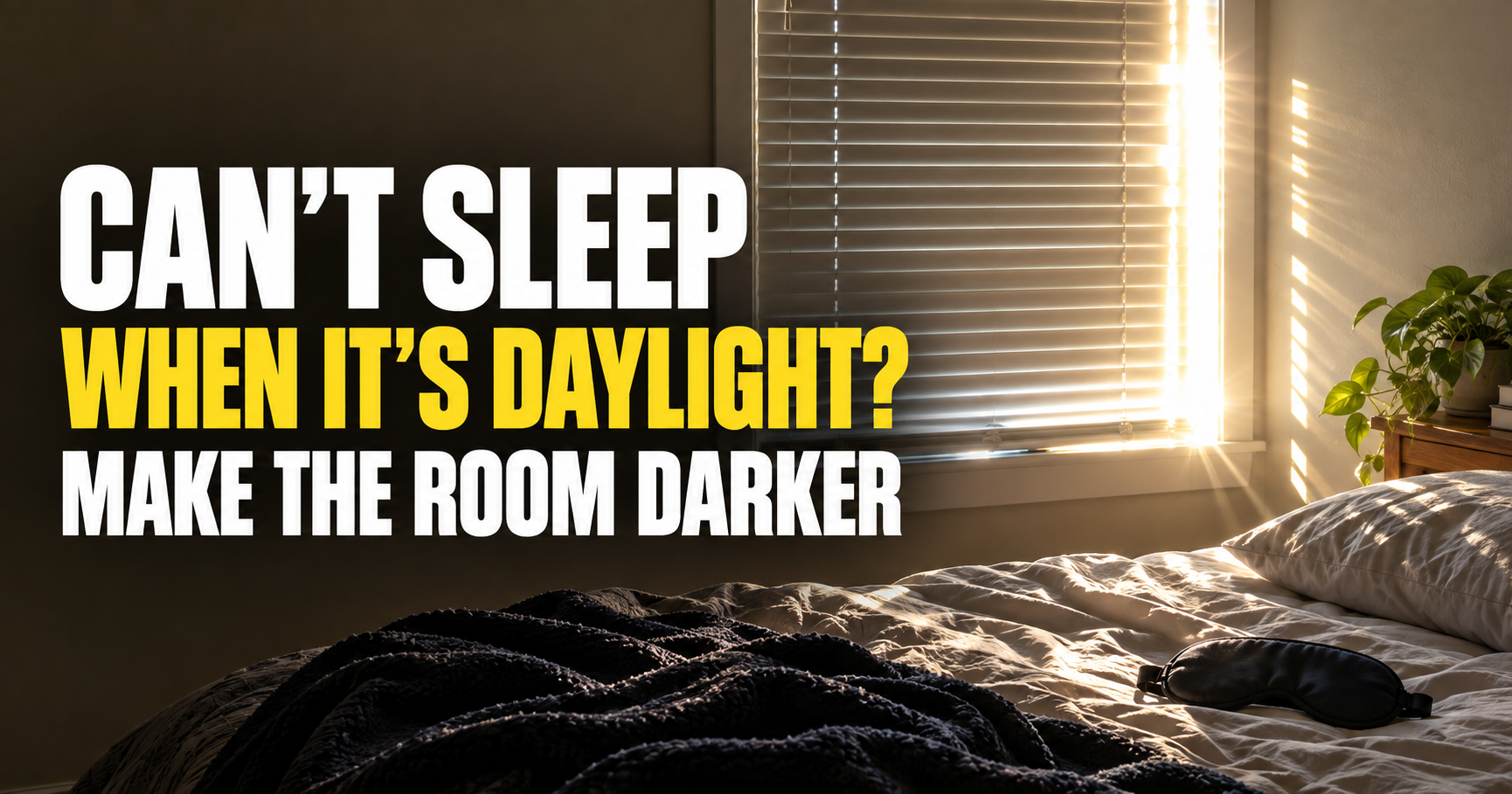
A porch light or streetlight can be frustrating because you cannot simply switch it off. I would stand at the window after dark and look for the exact gap where the light enters. Sometimes the problem is the space around the curtain, not the curtain fabric itself. If outside light is entering through the window, blackout curtains for early light may help address that specific source.
If light reaches the pillow, try closing that gap before replacing every window covering. Move the curtain rod wider, adjust the shade, or use a temporary cover for a few nights to see whether the darker room helps. If you work nights and sleep during the day, blocking window light may matter even more. The CDC specifically recommends room-darkening coverings for daytime sleepers and rooms exposed to outdoor light. www.cdc.gov

What if you can only fall asleep with the TV on?
I would separate the light from the comfort the TV provides. Some people like the familiar voices or background sound. If that sounds like you, try listening to something with the screen off and a sleep timer set. That lets you keep the part that helps you settle down while removing the changing light from the room.
Give the change a fair try. A new sound may feel strange for the first night simply because it is different. You could start by turning the screen away from the bed or setting a timer that shuts the TV off after you usually fall asleep.
If silence is what bothers you, Sleep Ocean’s sleep sounds give you another option to try. Keep the screen dark if you play them at bedtime.
Can a sleep mask solve the problem?
A comfortable sleep mask can help when you cannot control the light, such as in a shared bedroom or while traveling. I would check whether it stays in place when you turn over and whether it presses on your eyes. A mask that keeps waking you up is not much of a solution.
It also will not fix every part of a bright bedroom. If your partner turns on an overhead light and makes noise while you are asleep, the mask only addresses the light. I would still look for an arrangement that works for both people, such as a small lamp pointed away from the bed.
When a darker room does not fix your sleep
If you make the room darker and still wake up tired, that is useful information. Light may have been one piece of the problem, or it may not have been the main one.

Notice what else happens at night. Do you wake because the room gets too hot? Do you hear a fan switch off? Are you awake for a long time with your mind racing? Those details give you a better next step than buying another sleep product. For a broader look at habits and the bedroom setup, see my sleep hygiene tips.
If poor sleep keeps affecting your days, bring those observations to a healthcare professional. You do not have to figure out a persistent sleep problem by changing the lightbulbs over and over.
About the author: Nora Whitcomb writes practical sleep guides for Sleep Ocean, focusing on the small details people can check in their own bedrooms and the questions that come up when familiar sleep advice does not fit real life.
As an Amazon Associate we earn from qualifying purchases through some links in our articles.