
I understand why someone would leave a bedroom door open at night. An open doorway can make a room feel less cut off from the house. With kids at home, I care about hearing what happens outside my room. And if closing the door makes the bedroom hotter or stuffier, I’m going to notice that when I’m trying to sleep.
But if I’m choosing between sleeping with my bedroom door open or closed, I’d choose closed because of fire safety. A closed door can slow the spread of smoke, heat, and flames into a sleeping room. That matters more than the small comfort difference I might feel when I first close it.

The practical question is how to make a closed bedroom comfortable enough to sleep in. I’d want to address the heat, airflow, hallway noise, and light without relying on an open door as the only fix.
Why close the bedroom door before sleep?
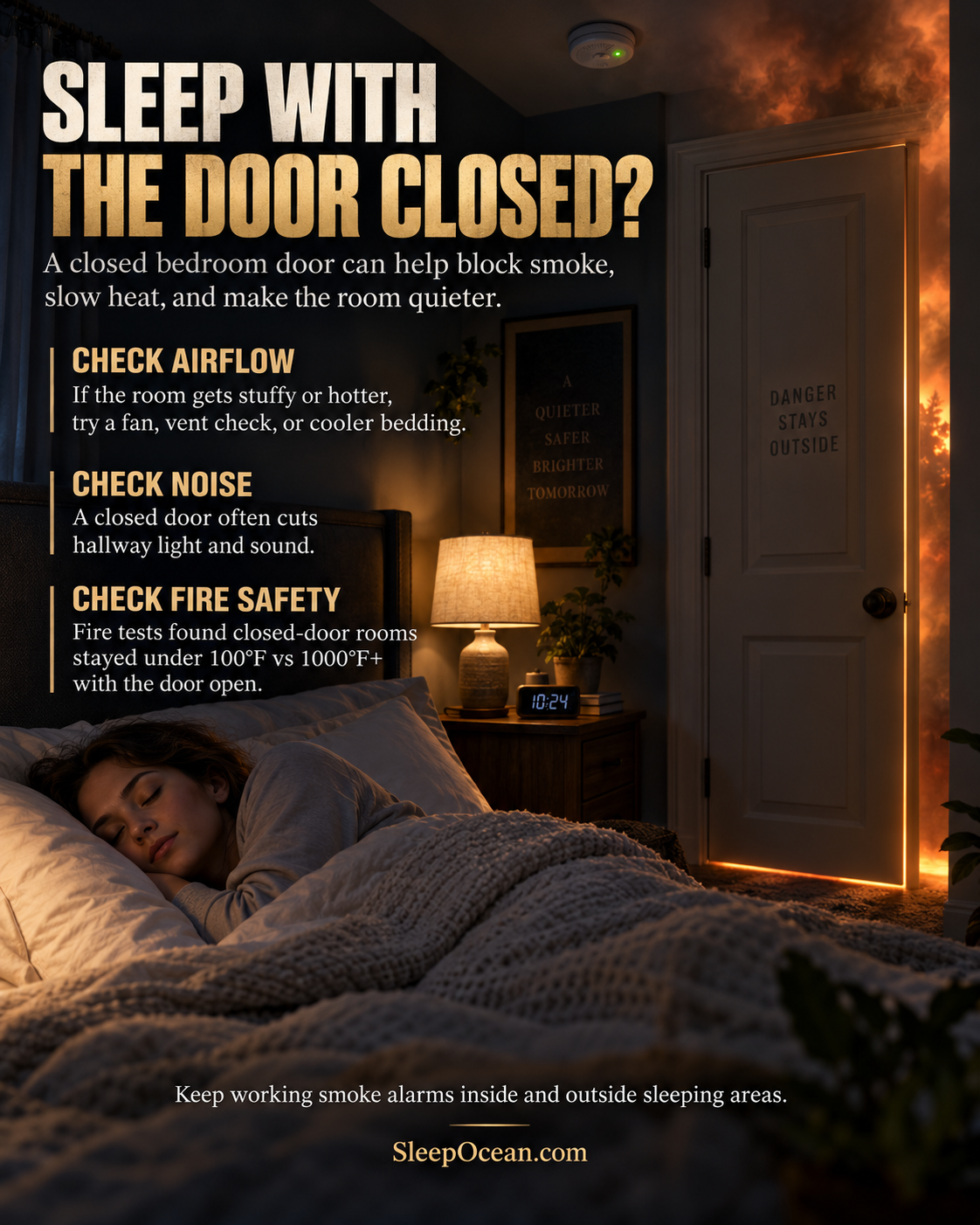
Fire safety researchers at the Fire Safety Research Institute recommend closing the bedroom door at night. Their Close Before You Doze work shows that a closed door can be an important barrier during a house fire.
That doesn’t make the bedroom fireproof. I still need working smoke alarms and a way to get out. But a door that’s closed before I fall asleep can help keep smoke and heat from moving into the room as quickly.
I wouldn’t make this decision by asking whether a fire is likely tonight. I’d make it part of the bedtime setup, the same way I expect the smoke alarms to work before there’s ever an emergency.
What about hearing the smoke alarm through a closed door?
I would not depend on hearing an alarm at the far end of the house through my closed bedroom door. The U.S. Fire Administration recommends smoke alarms inside every sleeping room, outside each separate sleeping area, and on every level of the home.
I’d check that setup before treating “I’ll hear the hallway alarm” as a plan. Interconnected alarms, which sound throughout the home when one activates, offer another layer of warning. I’d also make sure the household has an escape plan that accounts for where everybody sleeps.
With children in the house, this is especially concrete for me. I want to hear them on an ordinary night, but I also want every sleeping room protected by its own working alarm. Leaving doors open shouldn’t be the substitute for that.

What if the closed door makes my bedroom hot?
This is the first comfort issue I’d investigate, because I’ve already spent time thinking about why one bedroom can feel hotter than the rest of the house.
In some homes, conditioned air enters the bedroom through a supply vent while the main return grille is out in the hall. If closing the door restricts the air’s path back, it can affect room pressure and comfort. The Department of Energy’s Building America guidance on return-air paths explains why a room’s airflow has to work with its door closed.
I wouldn’t assume every closed bedroom has this problem. I’d compare what happens in my room:
- Does the temperature change noticeably after I close the door?
- Can I feel air coming from the supply vent when the system runs?
- Is the main return grille in the hall rather than the bedroom?
- Does the room feel different when the door has been closed for several hours?
If the difference is consistent, I’d ask an HVAC professional to check the supply and return-air path. I wouldn’t cut a large gap in the door or block a vent based on a guess.
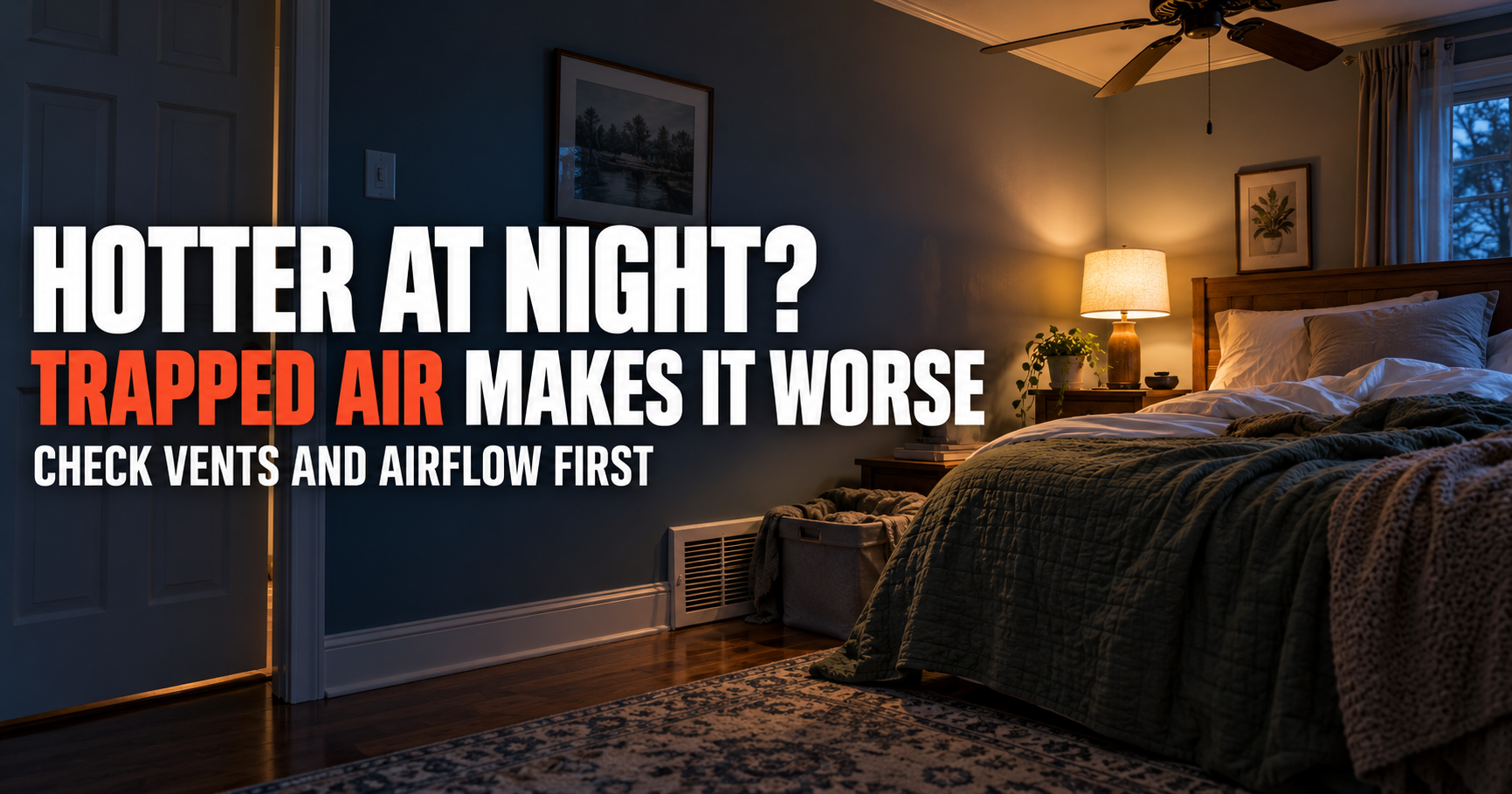
I’d also check the simpler possibilities first: heavy bedding, sun warming the room earlier in the day, and whether the air conditioner is reaching the room at all. I go through those clues in why my bedroom gets hotter than the rest of the house at night.


Can I run my fan with the door closed?
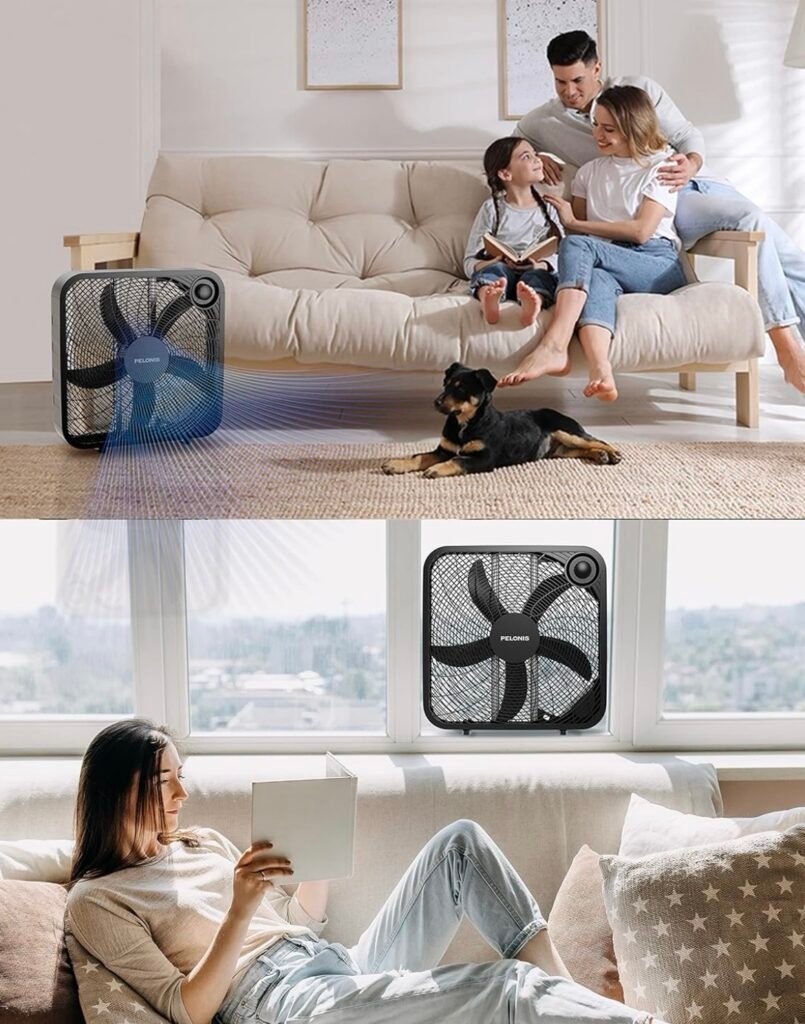
Yes, and I would. I have a hard time sleeping without my fan. Closing the bedroom door doesn’t mean I have to give up the sound or the moving air. A fan for sleeping noise may help preserve the steady sound you rely on while keeping the bedroom door closed.
I’d pay attention to what the fan actually fixes, though. If I like its steady sound, it may make the room easier to sleep in with the door closed. If I feel hot because the bedroom’s heating and cooling airflow isn’t working well, the fan may make me feel better without fixing that underlying issue.
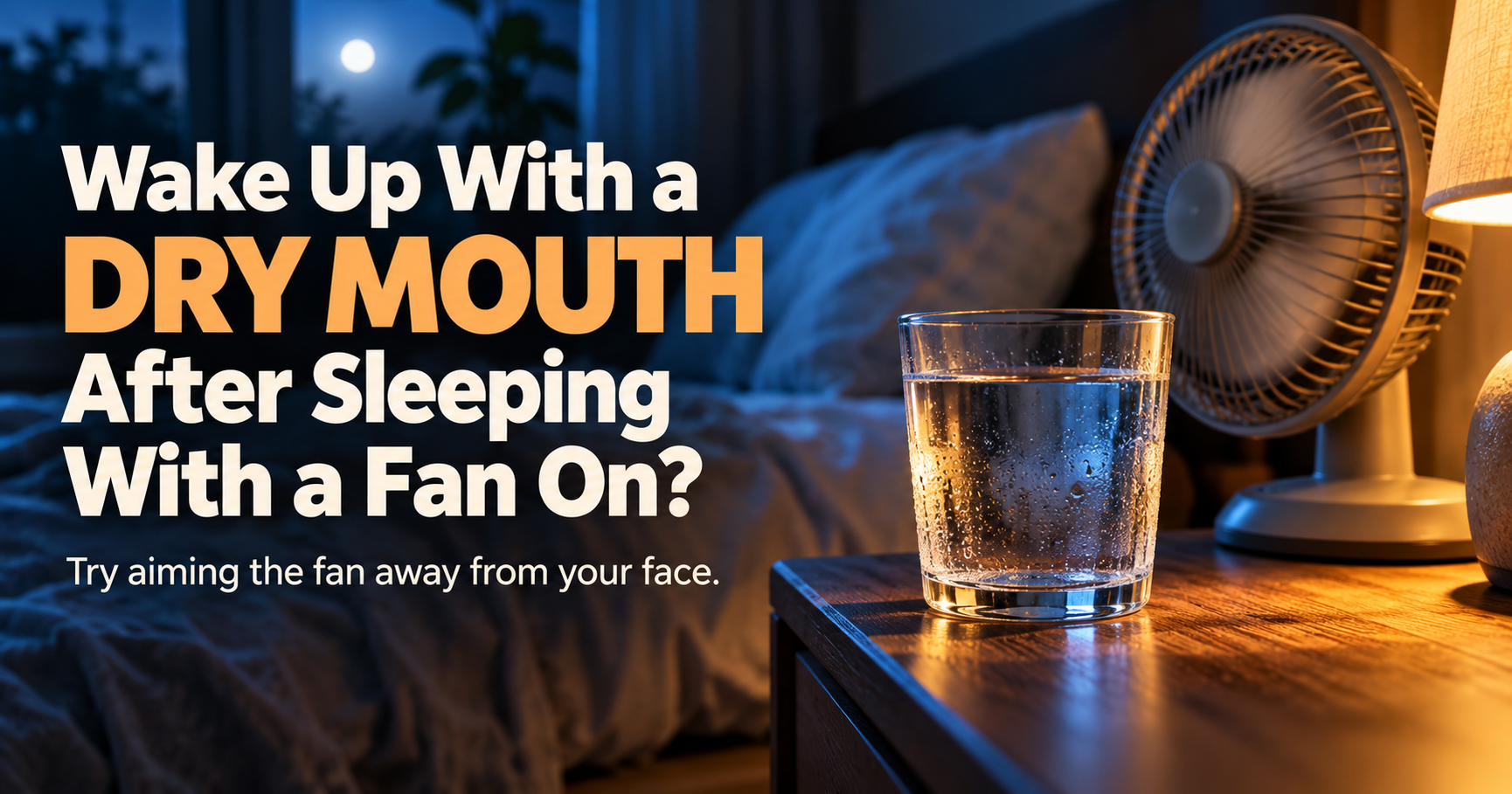
I’d keep the fan where I can hear it and where it moves air comfortably. I wouldn’t aim it straight at my face just because the door is closed. That setup can make mornings less comfortable for some people, which I cover in waking with a dry mouth after sleeping with a fan on.
Does a closed door make the room run out of fresh air?
I wouldn’t describe an ordinary bedroom door as an airtight seal. But a room can feel stuffy for several reasons, including heat, poor airflow, humidity, or something in the room that bothers my nose.
If it happens regularly, I’d notice whether the discomfort starts right after closing the door or builds through the night. I’d check the room temperature and humidity rather than assuming that cracking the door is the only answer.
If the issue seems connected to the heating or cooling system, I’d have the airflow evaluated. I want the bedroom to work properly with the door closed.
What if I leave the door open so I can hear my kids?
I get the instinct. With children at home, I don’t want to feel disconnected from what’s happening down the hall.
I’d handle that concern directly. I’d check smoke alarms in and outside the sleeping rooms, think through how we would get out, and decide whether I need a way to hear an ordinary nighttime call or cry through a closed door. A monitor can help with everyday sounds if that’s needed, but I would never treat it as a replacement for smoke alarms.
I’d also make sure the kids can open their bedroom doors and know what to do when an alarm sounds, in a way that fits their ages. The plan needs to work for the people actually sleeping in the house.

Will a closed door make the room quieter?
It may reduce some hallway and household sounds, though I wouldn’t expect it to silence everything. That could be helpful if small noises wake me.
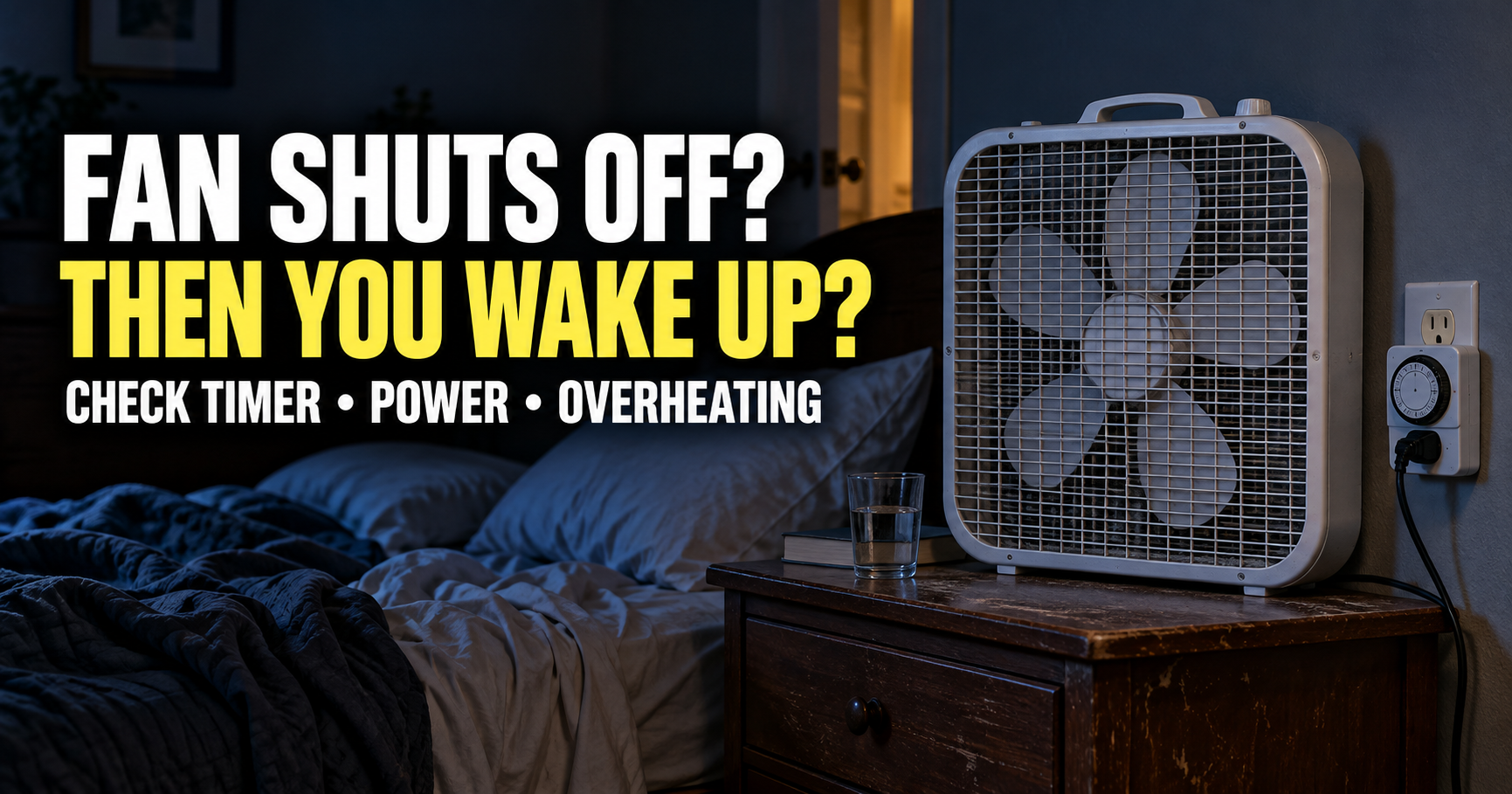
For me, the fan’s steady sound is still part of bedtime. A closed door might make the sudden absence of that sound even more noticeable if the fan shuts off, because the rest of the room is quieter. If that’s the interruption, I’d look at why I wake up when my fan turns off rather than blaming the door.
I’d also notice what the closed door keeps out: a television in another room, conversation in the hall, pets moving around, or light from a common area. The answer will depend on the house, but I can test it without changing anything permanent.
What about hallway light under the door?
A closed door can block a lot of light from the hall, but a bright strip may still show beneath it. If that strip lands where I can see it from bed, I’d first deal with the hallway light itself when practical.
I’d also think about whether the gap under the door has a job in my home’s airflow. If the bedroom depends on that gap as part of its return-air path, sealing it without checking could make the temperature problem worse. I wouldn’t treat every crack of light as something to stuff shut.
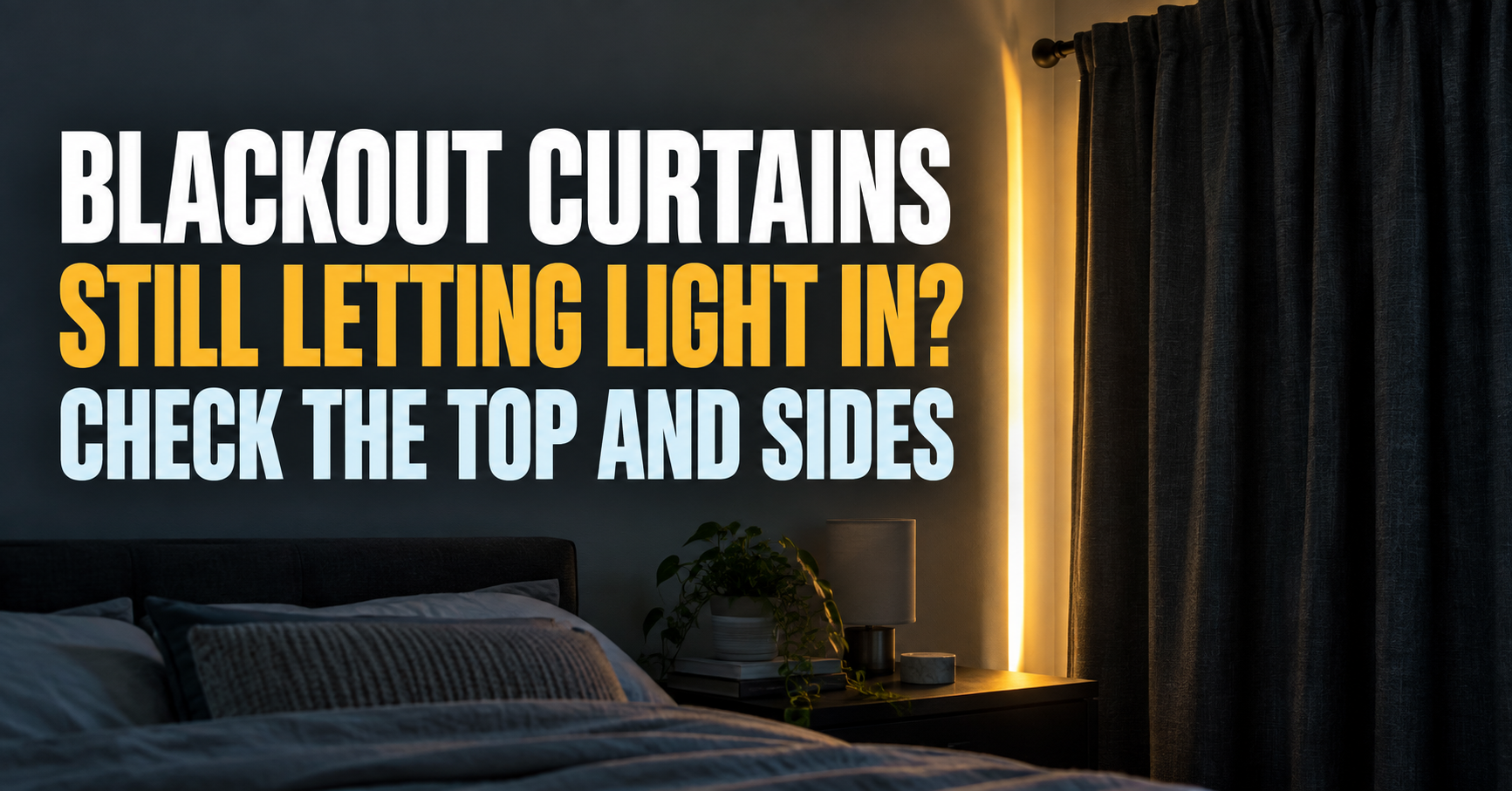
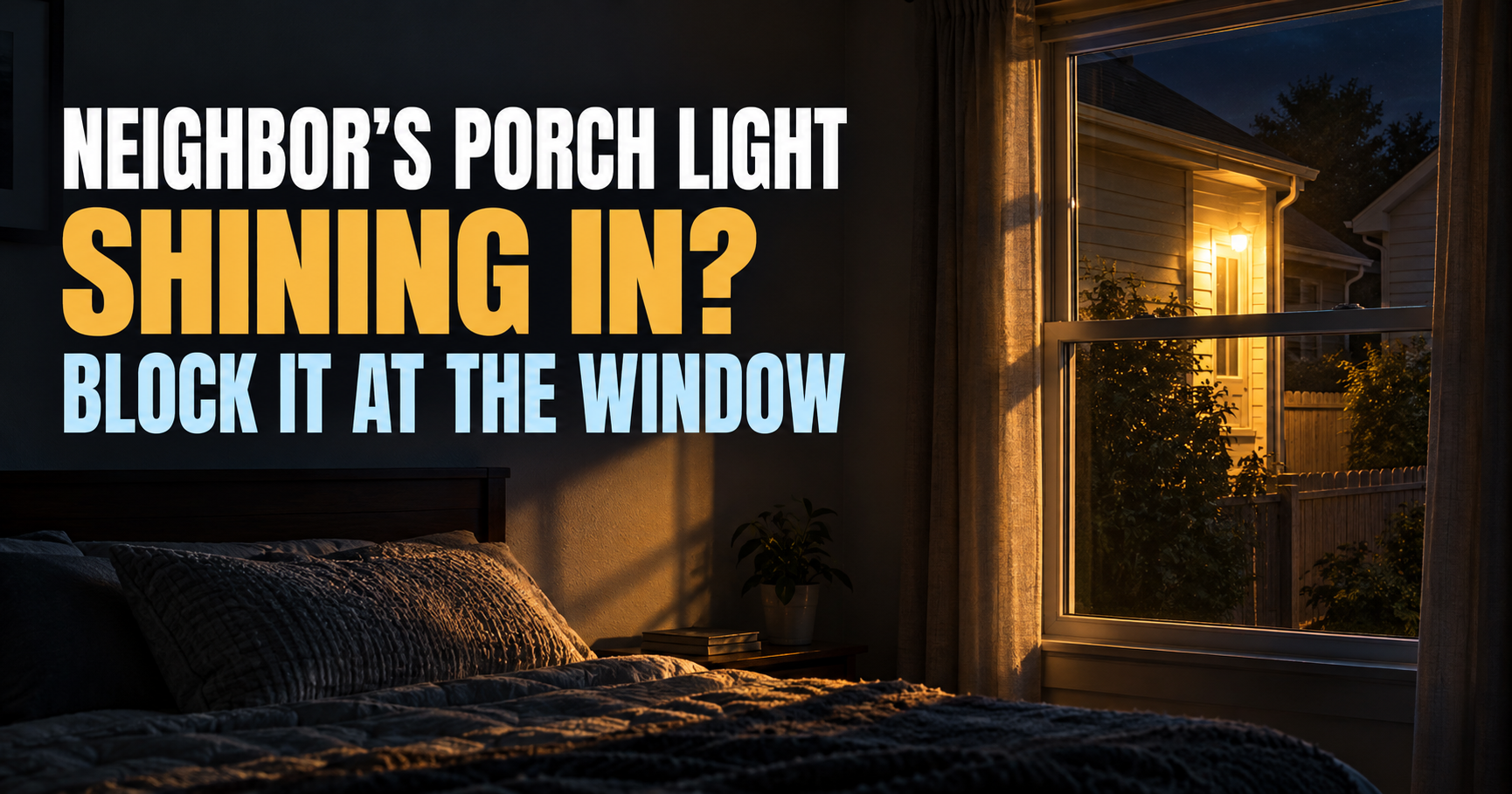
For light entering through the windows instead, the door won’t help. I’ve written about finding the actual opening in blackout curtains that still let light in.
What if I feel more comfortable with the door open?
I wouldn’t dismiss that feeling. Maybe the room gets hot, I’m worried about hearing my kids, or I simply dislike how isolated the closed room feels. Those are real reasons someone might hesitate.
I’d work on the specific problem rather than make “leave the door open” the permanent solution. If the room heats up, check the airflow. If I need to hear a child, plan for that. If I’m worried about an alarm, verify the alarms inside and outside the sleeping rooms.
If I tried closing the door tonight and found the room uncomfortable, I’d write down what felt wrong. “Hot after two hours” gives me a problem I can investigate. “I can’t sleep with it closed” tells me how I feel, but not what to fix.
The bedtime setup I’d aim for
I’d close the door, keep my fan running where it’s comfortable, and make sure there’s a working smoke alarm in the bedroom. I’d want alarms outside the sleeping area and on the other levels of the home too.
Then I’d pay attention to how the room behaves with the door closed. If it gets hot, stuffy, or unusually quiet in a way that keeps waking me, I’d address that specific issue. A bedroom should be comfortable with the door shut, and if mine isn’t, that’s useful information about the room or its airflow.
Nora Whitcomb writes for Sleep Ocean about the bedroom details that affect real nights, from fan noise and temperature to the light that finds its way into bed.
As an Amazon Associate we earn from qualifying purchases through some links in our articles.