
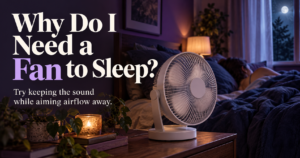
I can’t sleep without a fan. Even when the room is cool enough, I still want it running. The sound is familiar, the air feels better when it moves, and a quiet bedroom somehow feels too quiet when I’m trying to fall asleep.
So why do I need a fan to sleep? For me, it may be more than one thing. The steady sound can make other noises less noticeable. The breeze can make the bed feel more comfortable. And after sleeping that way night after night, hearing the fan start has become part of getting ready for bed.
I don’t think needing a fan means something is wrong with me. I do think it helps to know which part of the fan I actually need, especially when it stops working or starts leaving me uncomfortable in the morning.
Is it the sound or the moving air?
That’s the first question I’d ask. I can like both without realizing one matters much more than the other.
If I turn on the fan and immediately feel relieved even when the breeze barely reaches me, I’d suspect the sound is doing a lot of the work. If the sound is there but I’m still tossing around because the room feels warm or stagnant, the moving air may matter more.
Here’s how I’d separate them without committing to a whole night of bad sleep:
- Move the fan farther from the bed one evening. I can still hear it, but I feel less air.
- Try a lower speed another evening. That changes both the sound and the breeze, but it helps me notice which difference bothers me first.
- Aim it away from my face. If I sleep just as well, I may need airflow in the room rather than a direct blast at my pillow.
- Notice what I miss if it shuts off. Is it the sudden silence, the still air, or both?
I’d change one thing at a time. I already know I have trouble sleeping without my fan, so I’m not going to turn it off for a week just to prove a point.

Why the sound makes a quiet room easier for me
A fan produces a steady, predictable sound. A door closing, a car outside, or someone moving around the house stands out less against that background than it does in a silent room.
That doesn’t mean a fan blocks every noise. I can still hear something loud. But the small sounds that would catch my attention while I’m trying to fall asleep may be easier to ignore.
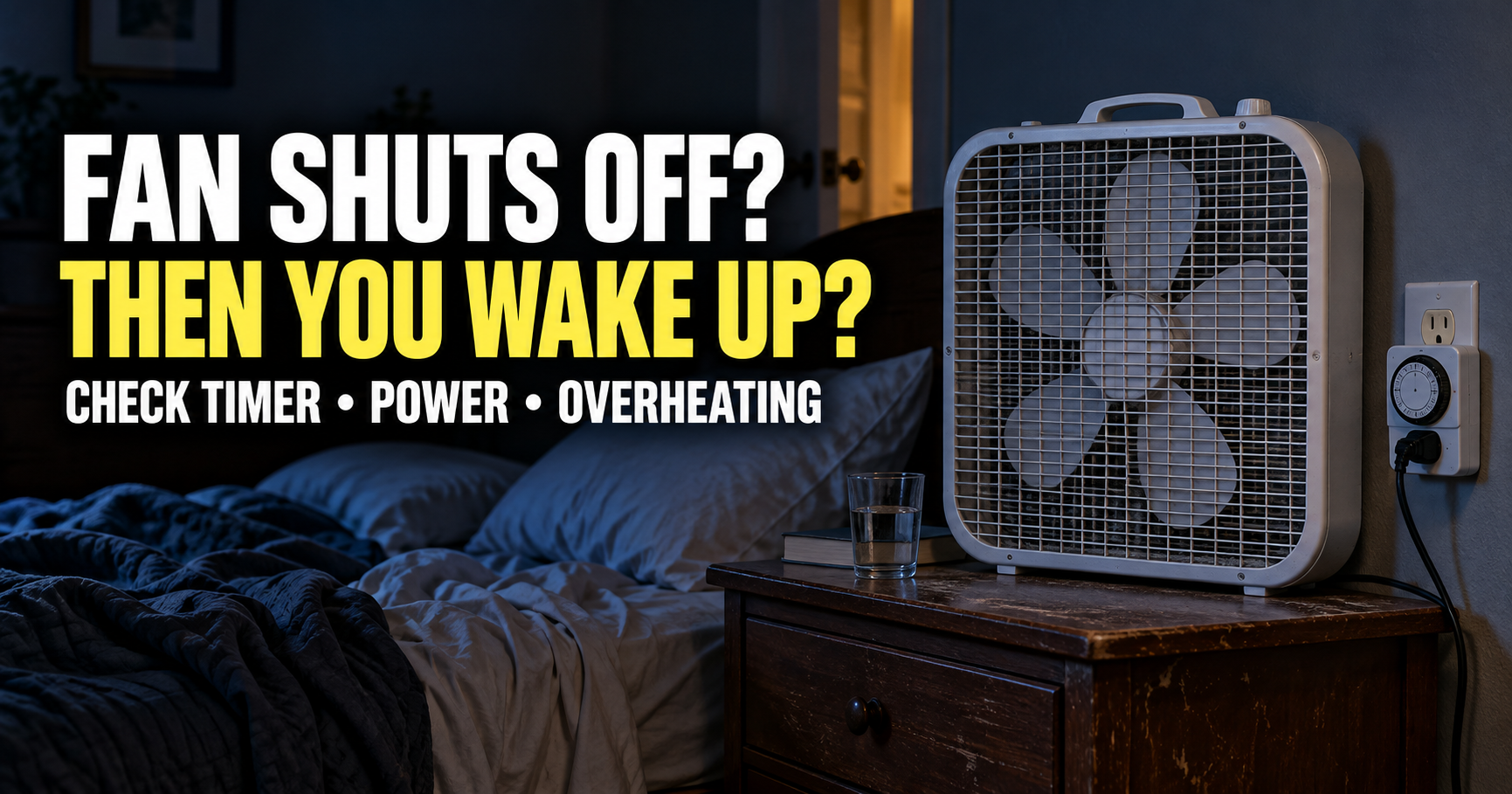
I’d also look at when I need the sound most. Do I struggle to fall asleep without it? Do I fall asleep fine but wake when it turns off? Those are different problems. If the abrupt silence wakes me, I’d start with what changes when my fan turns off at night.
Research on continuous background noise as a sleep aid is mixed, so I wouldn’t claim fan noise is a proven fix for everyone. What I can say is simpler: the sound is part of my bedroom routine, and I notice its absence.


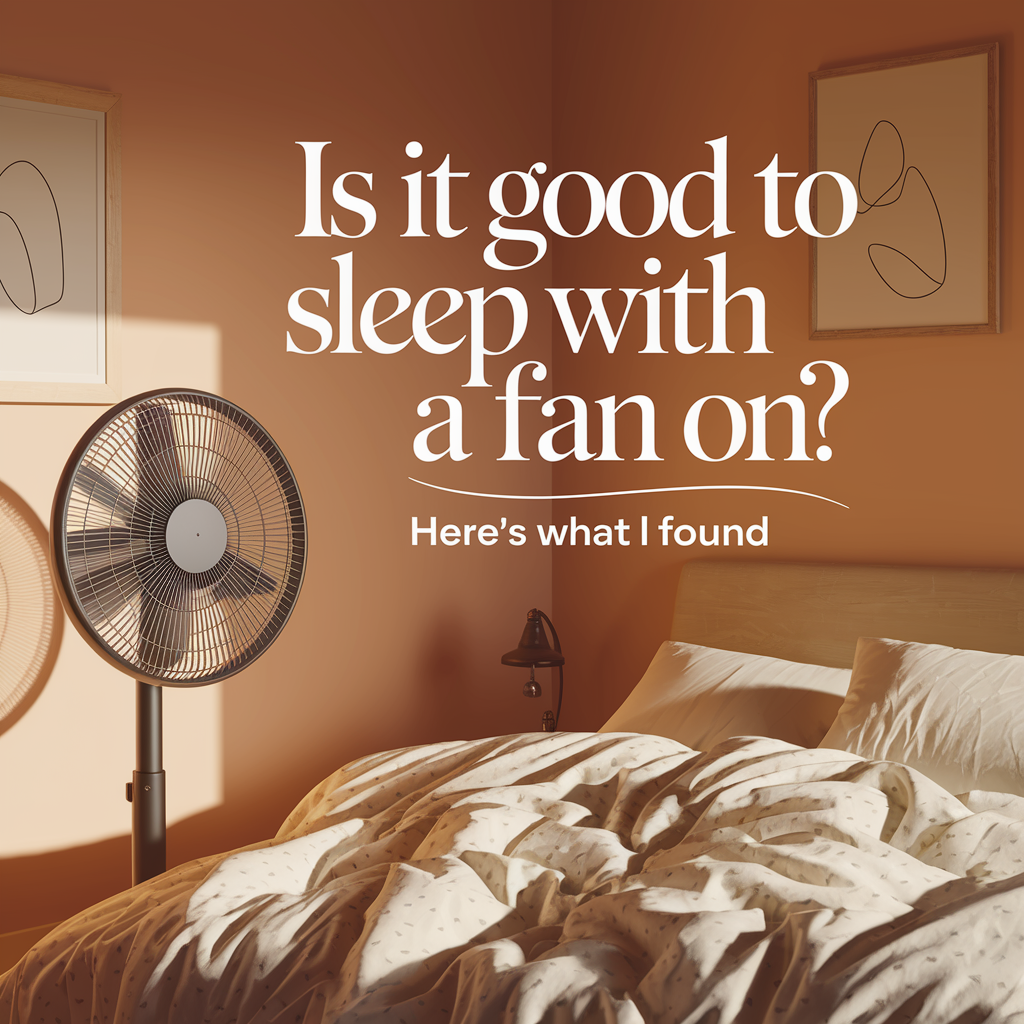
Why I can want a fan when the room isn’t hot
There are nights when the thermostat says the room should be comfortable, but I still want air moving around the bed. I’m not necessarily trying to make the whole bedroom colder. I may just dislike the feeling of still air against my skin.
My bedding matters too. A room can feel fine when I walk into it and much warmer once I’m under the covers. A fan gives me a way to change how the bed feels without changing the temperature of the entire house.
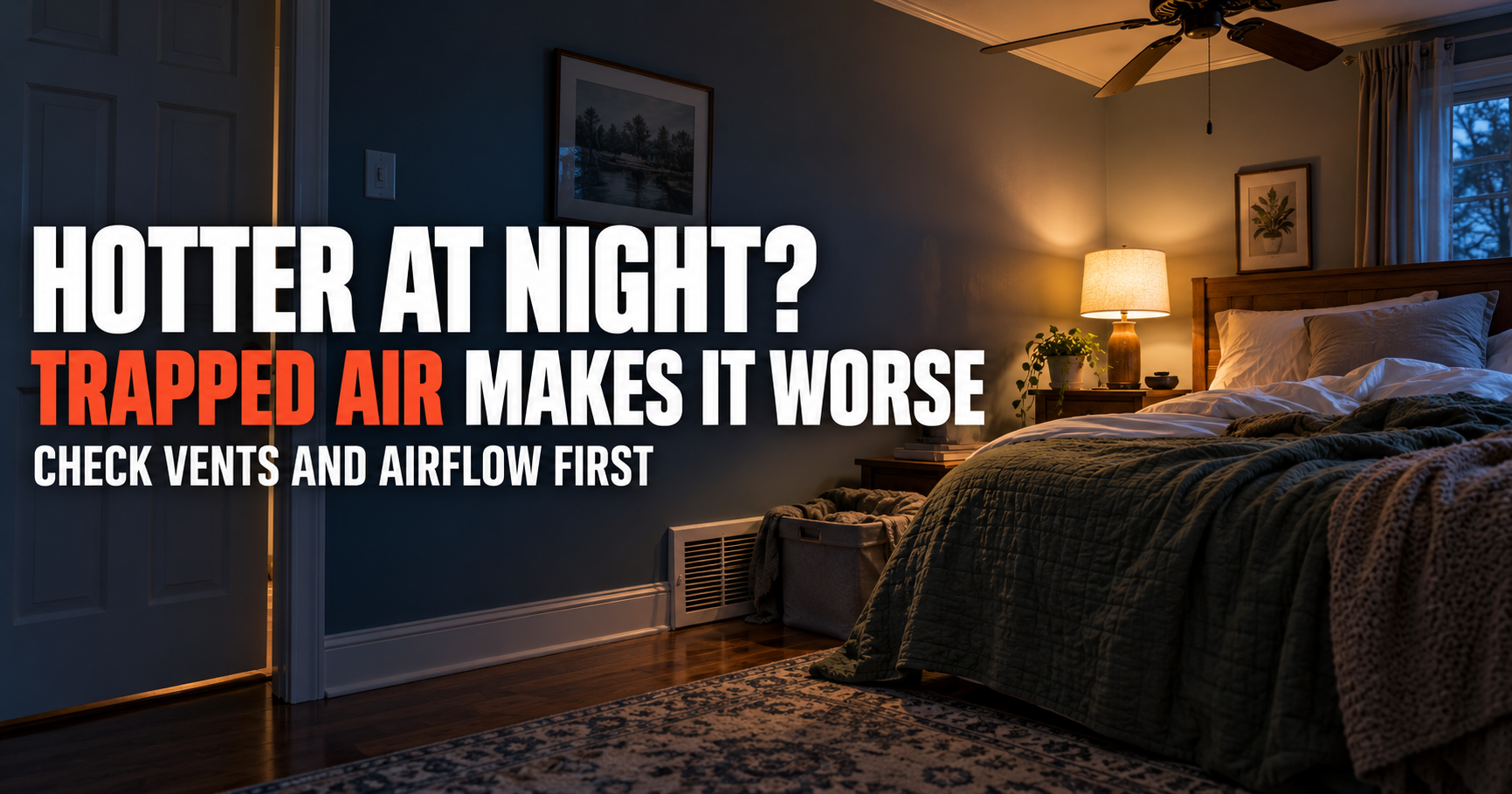
If the bedroom itself feels hotter than nearby rooms, I’d investigate that separately. I wrote about the patterns I’d check in why a bedroom gets hotter than the rest of the house at night. A fan may make that room more bearable, but it won’t tell me why the heat is building up.
Have I simply gotten used to falling asleep this way?
Probably at least a little. I’ve heard the same fan at bedtime so often that switching it on feels like part of settling down. When I’m somewhere else and the room is completely quiet, I notice the difference right away.
I wouldn’t jump from that to “I’m addicted to my fan.” I don’t need a dramatic label for a familiar sleep preference. Plenty of bedtime conditions become familiar: a certain pillow, a blanket, a dark room, or the sound of rain.
The useful question is whether the routine still works for me. If I’m sleeping well and the fan isn’t causing a problem, I don’t need to train myself to hate it. If the fan breaks, the power goes out, or I’m staying somewhere without one, I’d like a backup for the part I miss most.
What I’d use when I can’t have my fan
I’d choose a substitute based on whether I miss the sound or the airflow.
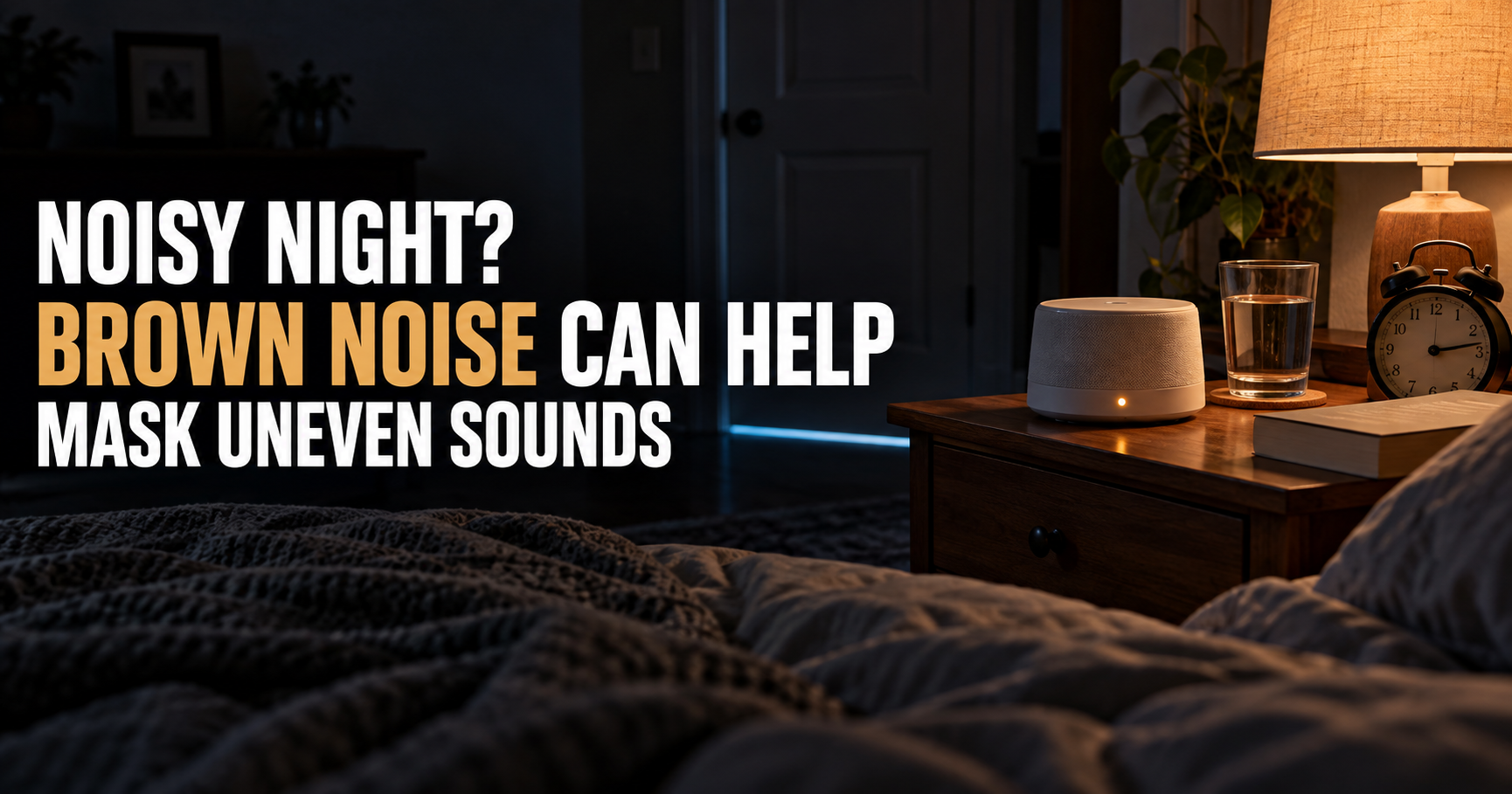
If I miss the sound, I’d try a steady recording at a comfortable volume. Brown noise has a deeper sound than my fan, so I wouldn’t expect it to feel identical, but I could see whether it makes an unfamiliar room easier to sleep in. I’ve covered that option in using brown noise through a noisy night.
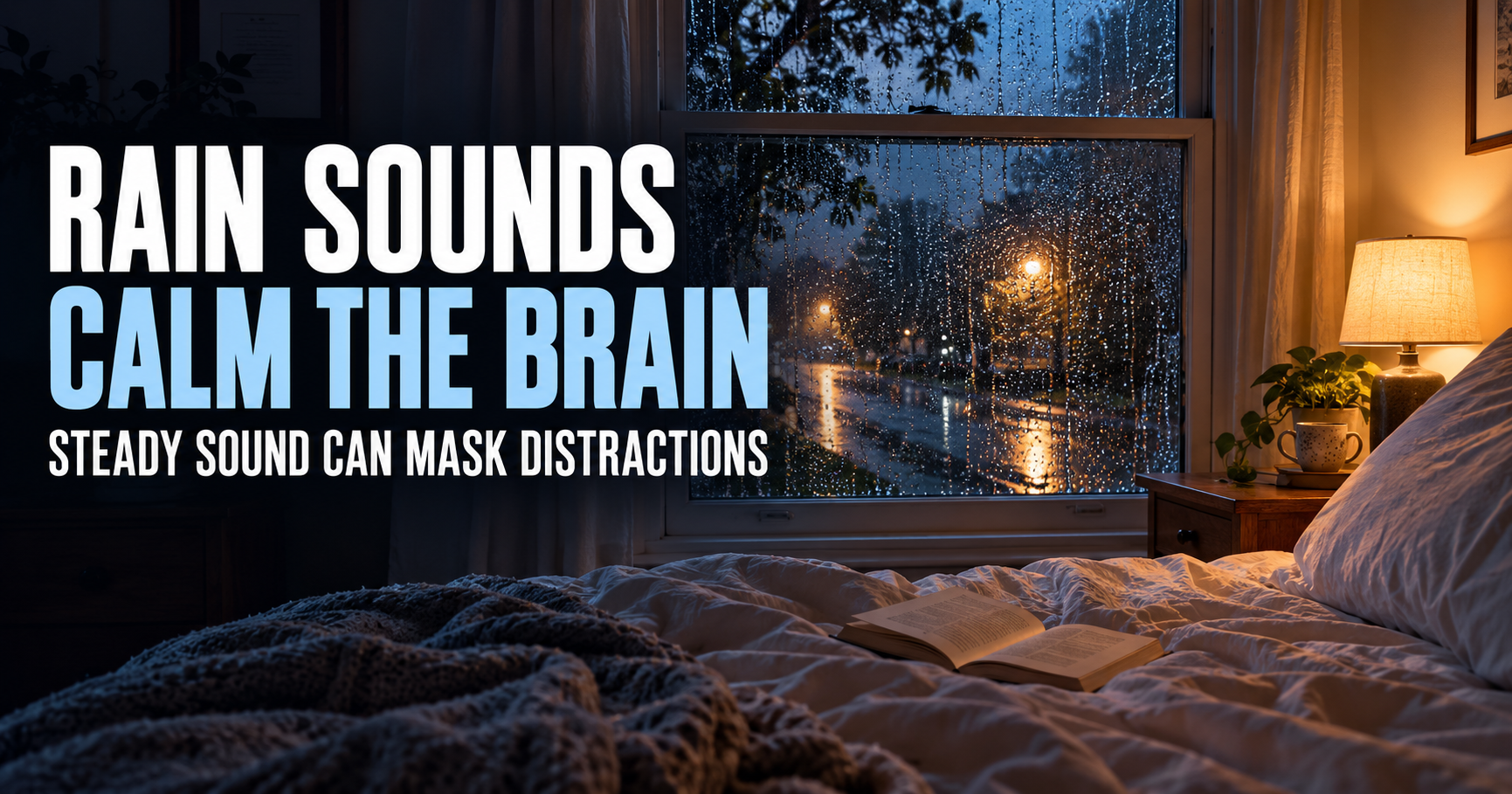
If a steady hum feels too artificial, I might try rain instead. The pattern is different, but it gives my ears something consistent to settle on. Here’s why rain sounds may help at bedtime.
If I miss the moving air, a sound recording won’t solve that. I’d think about lighter bedding, the room temperature, or a different way to move air. I wouldn’t keep turning up a recording and wonder why I still feel too warm.
What if the fan helps me sleep but bothers me by morning?
This is where I’d change the setup rather than give up the fan immediately.
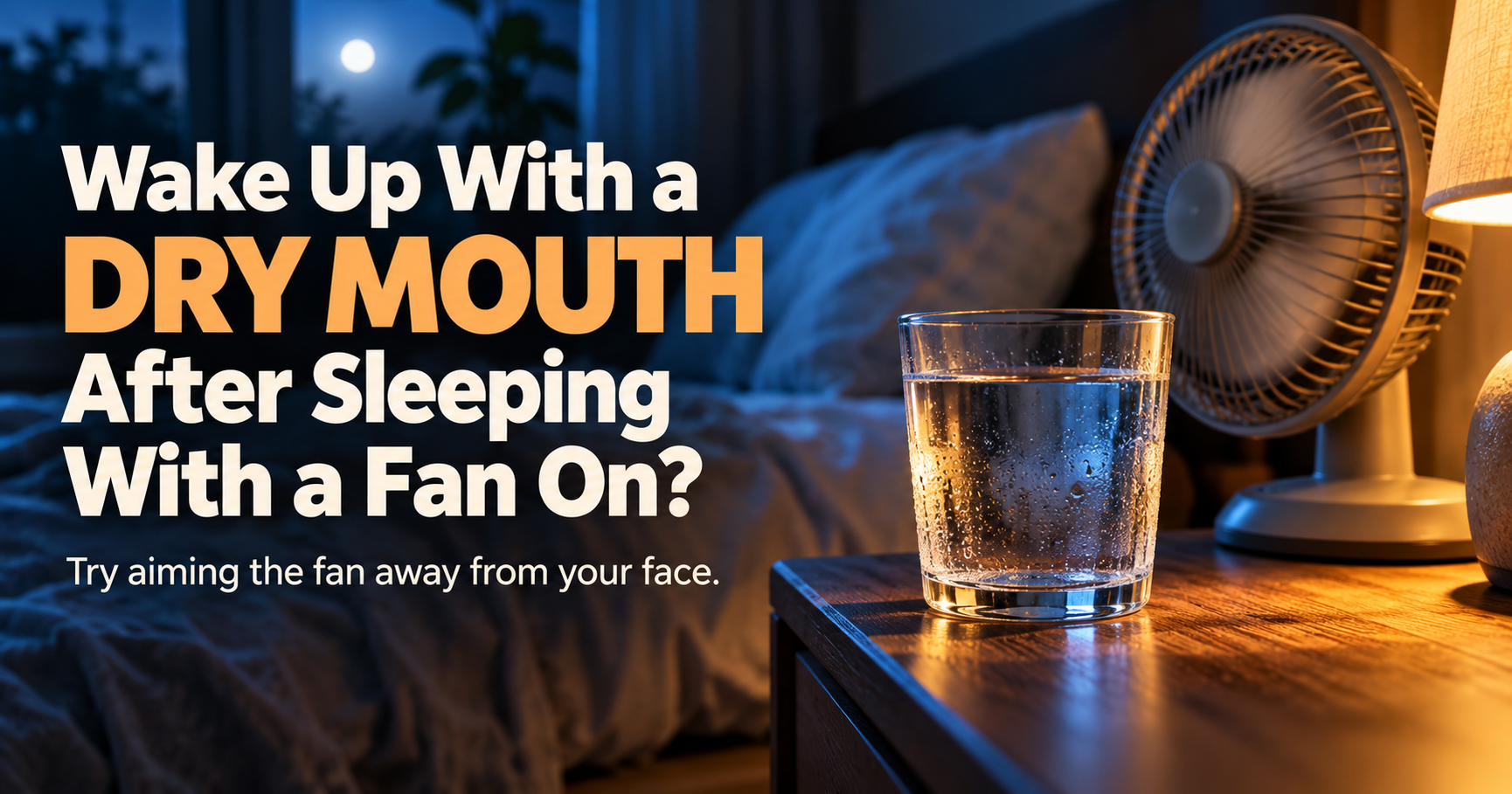
I wake up with a dry mouth often, including during the night, and I keep a drink on my nightstand. Milk is usually what I reach for. Because that happens to me regularly, I wouldn’t assume the fan is the entire cause. But I would check whether it blows straight across my face while I sleep. I explain that distinction in waking with a dry mouth after sleeping with a fan on.

A scratchy throat would send me through a slightly different check. I’d look at direct airflow, congestion, dry room air, and whether the soreness lasts beyond the morning. Those clues are covered in waking with a sore throat after sleeping with a fan on.
For either problem, my first experiment would be simple: move the fan or turn it away from my pillow for a few nights. I can keep the sound and some airflow while seeing whether a direct breeze was making mornings worse.
Is sleeping with a fan every night a problem?
Do I need to stop using it?
I wouldn’t stop just because I use it every night. I’d pay attention to whether I’m comfortable, sleeping well, and able to keep the fan clean and safely positioned. If it’s aimed at my face and I wake up uncomfortable, I’d adjust it.
Am I getting enough sleep even with the fan?
That matters more to me than whether my bedtime setup looks unusual. If I’m regularly unable to sleep, wake repeatedly, or feel exhausted during the day, I’d take those problems seriously. A fan may make my room more comfortable, but it can’t answer every reason sleep is going badly.
Should I use a timer?
Not automatically. If the fan turning off wakes me, a timer could create the exact interruption I’m trying to avoid. I’d only try one if I know I need the fan to fall asleep and can sleep through the change later.
How I’d set up my fan tonight
I’d keep the fan in the routine and make it work better for me. I’d place it where I can hear the steady sound, aim the strongest airflow away from my face, and check whether the bedding is making me warmer than the room itself.
Then I’d pay attention to the moment I fall asleep and the moment I wake. If I need the sound, I have options for nights without the fan. If I need the breeze, I know a sound machine alone won’t replace it. And if I need both, that’s a useful answer too.
Nora Whitcomb writes for Sleep Ocean about everyday bedroom problems and the small changes that can make sleep more comfortable.
As an Amazon Associate we earn from qualifying purchases through some links in our articles.