
I Tested 7 Fans—This One Won My Sleep
Rather than settling for the first fan that moves air, I compared seven and kept the one that helped me fall asleep faster and stay asleep longer. The post explains why it won.
Late dinners, alcohol after 8PM, phone scrolling, stray light, and temperature swings all showed up in the author’s 3AM wake-ups. A fan, blackout curtains, a 64, 66°F room, and a simple 12-minute reset finally made those nights rare instead of routine.
Sleeping on your back can let your tongue and throat tissues fall backward, worsening blocked breathing, snoring, and restless nights. This guide explains why side sleeping, especially on the left, may help, plus practical ways to stay there with pillows or elevation.
The right fan does more than cool the room. Its steady hum helps quiet a busy brain at bedtime, while the wrong models miss the mark. This breakdown explains what makes the difference.
You do not need a perfect night for a sleep study to work. Even a few hours can reveal breathing and movement patterns, while simple fixes like adjusting the room temperature, bringing your own pillow, and using slow breathing can make the lab easier.
That familiar TV glow may be keeping you in lighter sleep, suppressing melatonin, and triggering tiny awakenings you never remember. The practical fix is not suffering through silence, but using a sleep timer, white noise, blackout curtains, and a calmer wind-down routine.
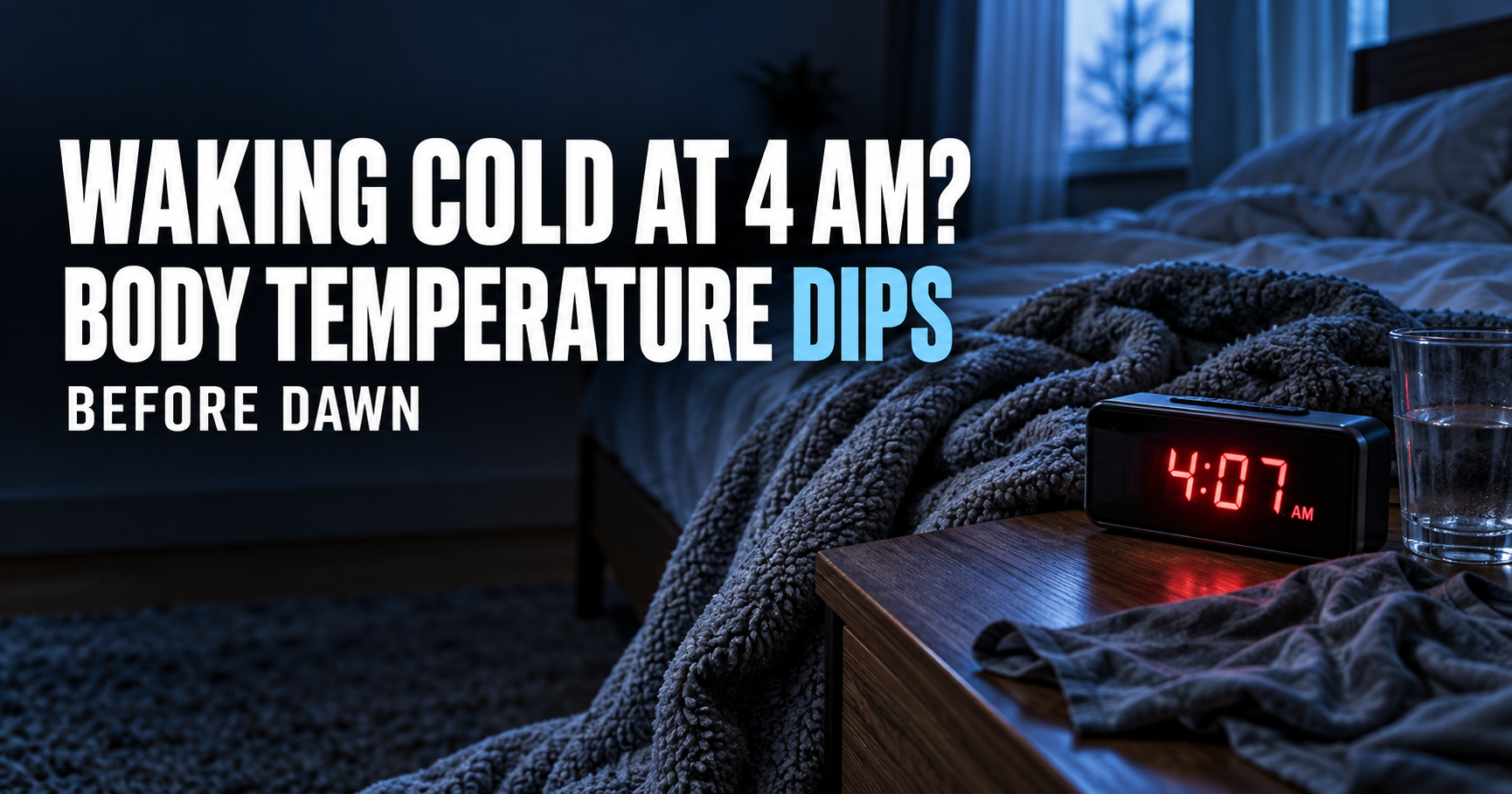
Waking up sweaty at 3AM may have less to do with your bedtime routine than your bedroom temperature. A cool 60, 67°F room, layered bedding, blackout curtains, and steady airflow helped turn restless nights into deeper, more consistent sleep.
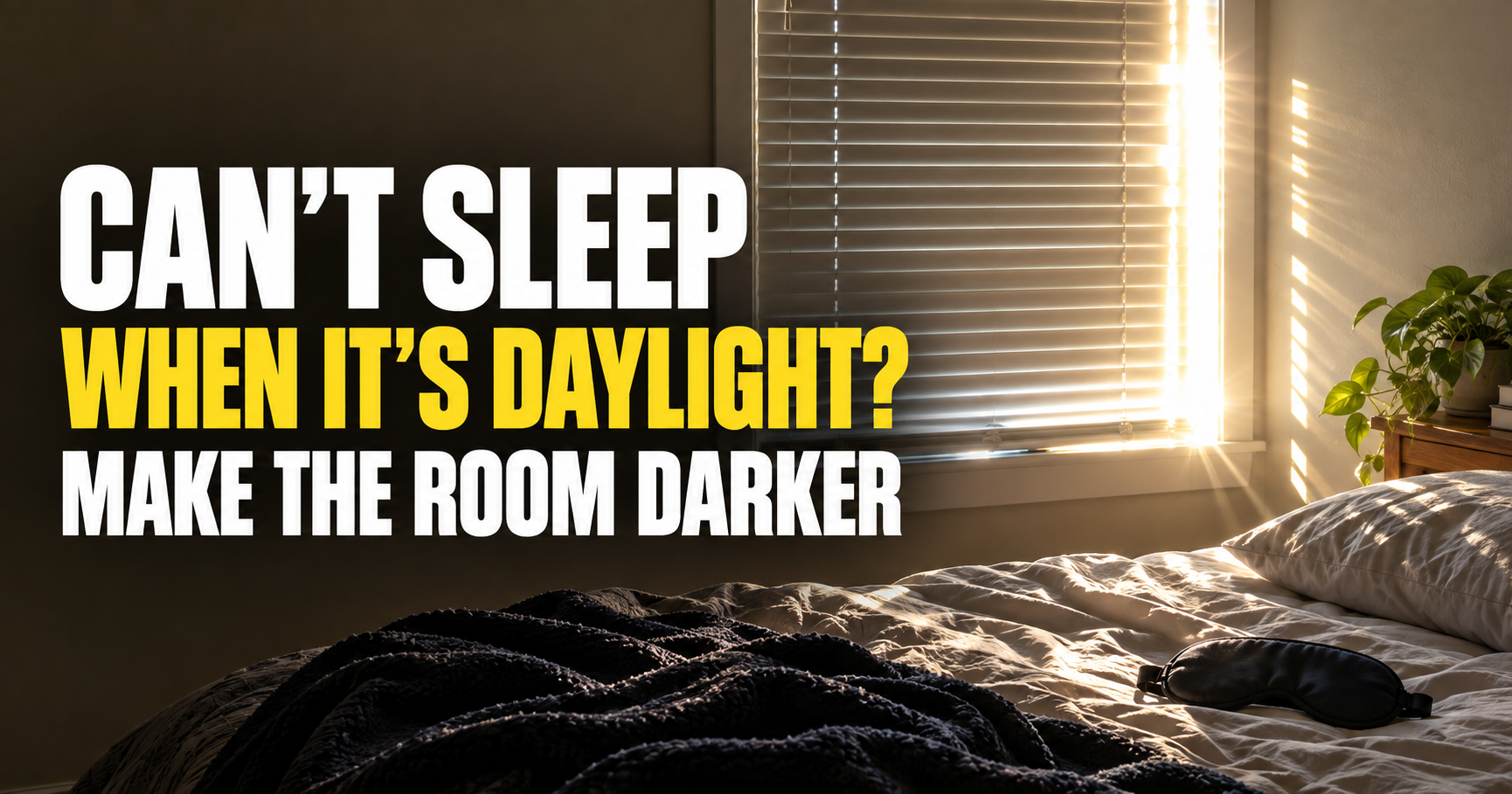
Generic curtains can leave bright slivers around the window, even when the fabric is labeled room darkening. Custom blackout curtains cover those gaps, block streetlights and sunrise, and can also help regulate temperature and soften outside noise for a calmer bedroom.
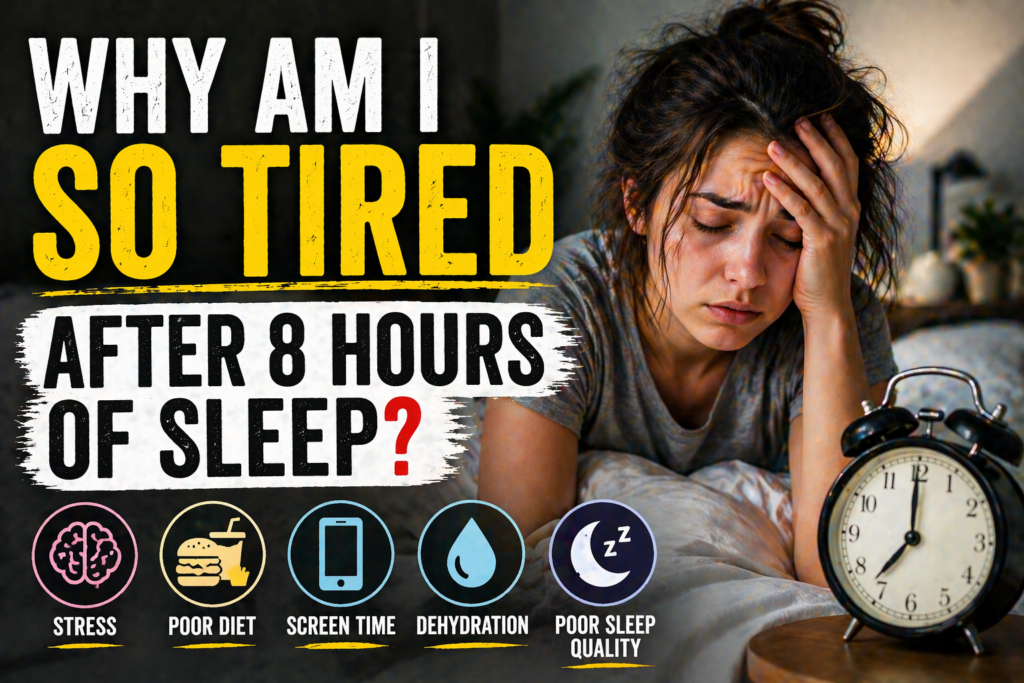
Late coffee, a phone beside my pillow, and a bedroom that was too bright had quietly wrecked my nights. A fixed schedule, caffeine cutoff, cooler darkness, screen-free reading, and a calmer routine finally made better sleep feel doable.
A fan can improve sleep by cooling a hot room and masking barking dogs, traffic, or a snoring partner, but pointing it at your face may leave you dry, chilled, or congested. This practical setup keeps the hum without the morning-after irritation.
Alcohol may knock you out, but it suppresses restorative REM sleep, so quitting can bring restless nights, vivid dreams, anxiety, and wake-ups every 30 to 60 minutes. Learn what the first month usually looks like and which habits help your sleep chemistry recover.
A stuffy nose can do more than annoy you at bedtime. Mouth breathing, postnasal drip, snoring, and lying-down congestion can fragment sleep, while dust mites, pets, mold, and nighttime histamine surges keep the cycle going. Practical bedroom and pre-bed fixes can help.
A bedroom set between 60 and 67°F can help your body relax and prepare for restful sleep, making temperature one of the simplest changes to try when falling asleep feels harder than it should.
A bedroom sitting at 65% humidity can leave you sweaty, foggy, and more exhausted than when you went to bed. Learn how a $10 hygrometer revealed the problem and why keeping the air around 40, 60% may help you sleep and breathe better.
My fastest sleep fix turned out to be less about one miracle trick and more about stacking small signals, including a 65°F room, blackout curtains, no screens, slow breathing, and the same short routine. Together, they made bedtime feel automatic instead of stressful.
When stress disrupts cortisol rhythms, restful sleep can become elusive rather than simply shorter. The piece examines adrenal fatigue as a possible reason for restless nights and the balance-focused approach it offers for reclaiming more peaceful sleep.
After testing bamboo, eucalyptus, luxury, and bargain blankets, I found a rare middle ground in the Bedsure Cooling Comforter. Its cool-touch side, breathable fill, and light-but-not-flimsy feel helped end the sweaty-then-freezing cycle without sacrificing coziness.
A fan can do more than move air at bedtime. The right one may provide soothing white noise while improving airflow, making it a practical sleep aid.
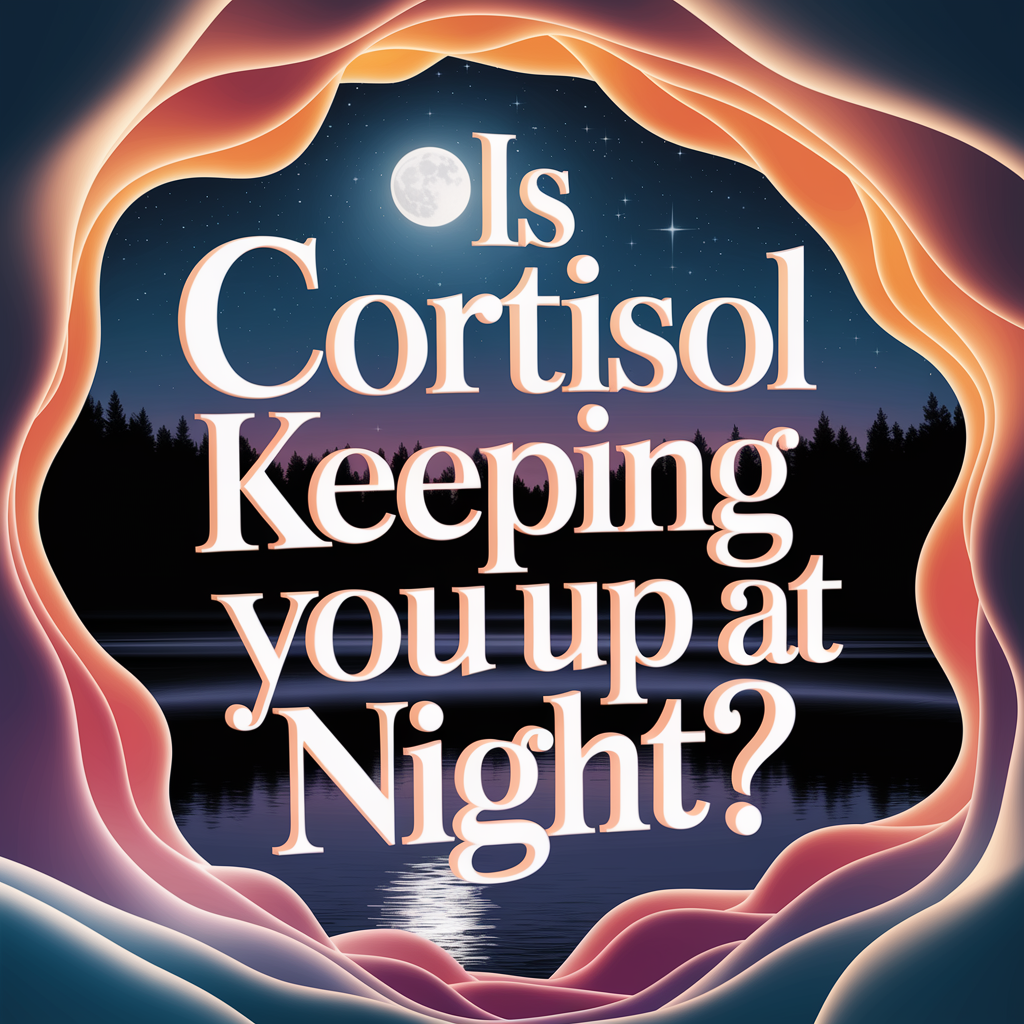
Cortisol is meant to help you stay alert, but elevated levels at night can interfere with sleep. Learn how managing cortisol may support better rest.
Damp sheets, clammy pillowcases, and a throat tickle made the bedroom feel wrong even with the AC running. A quiet 1600 sq. ft. dehumidifier changed that, helping the air feel lighter and making uninterrupted sleep possible again.
A customizable mouthpiece gently moves the lower jaw forward to keep the airway open, and the adjustment may take only a few nights to feel normal. The article explains how fitting, consistency, and cleaning make it practical for quieter sleep.