What Is The Best Temperature For Good Sleep?

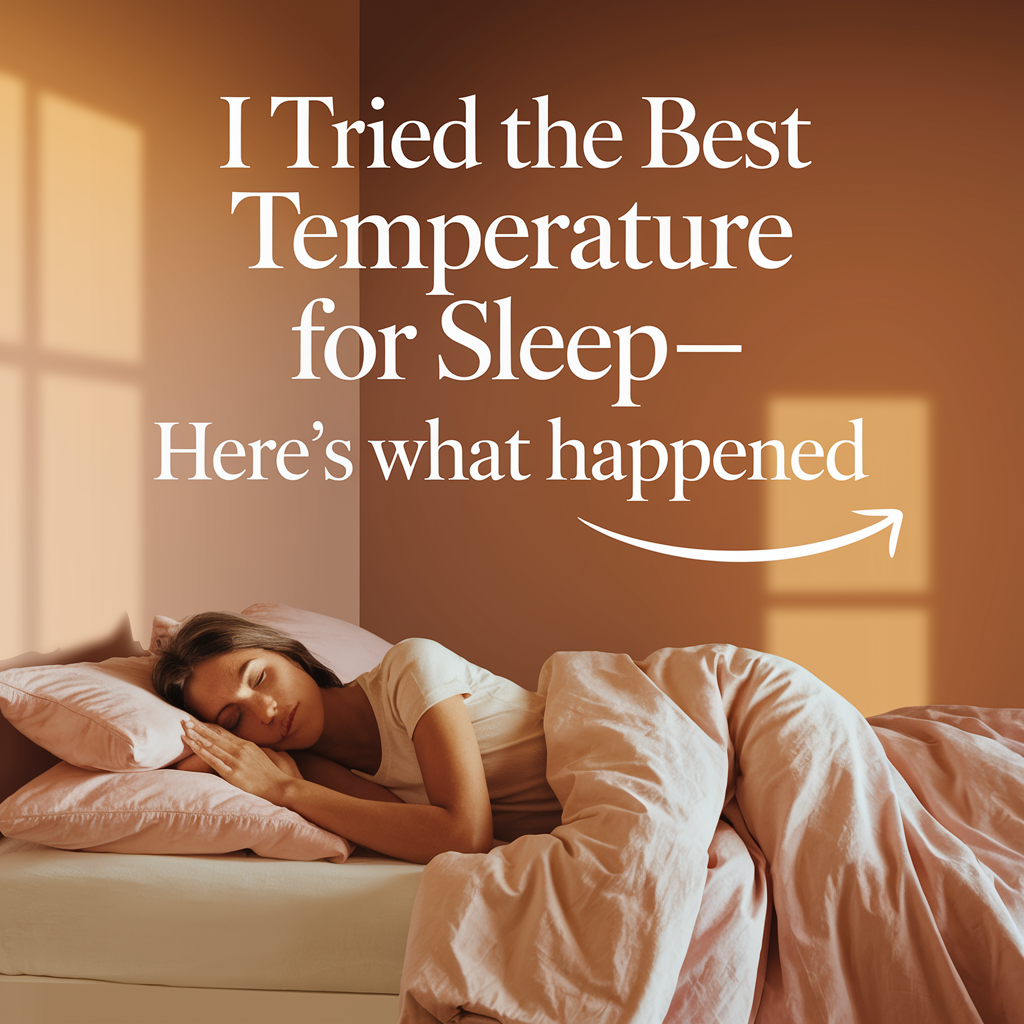
A bedroom set between 60 and 67°F can help your body relax and prepare for restful sleep, making temperature one of the simplest changes to try when falling asleep feels harder than it should.

Quick Fix: How to Cure Insomnia in Just 12 Minutes

When your mind is racing at bedtime, try four rounds of 4-7-8 breathing, then tense and release muscle groups from your feet upward. The routine slows your breathing, eases physical tension, and gives sleep a better chance within minutes.

The Best Sleep Position to Help Manage Sleep Apnea Naturally

Sleeping on your back can let your tongue and throat tissues fall backward, worsening blocked breathing, snoring, and restless nights. This guide explains why side sleeping, especially on the left, may help, plus practical ways to stay there with pillows or elevation.

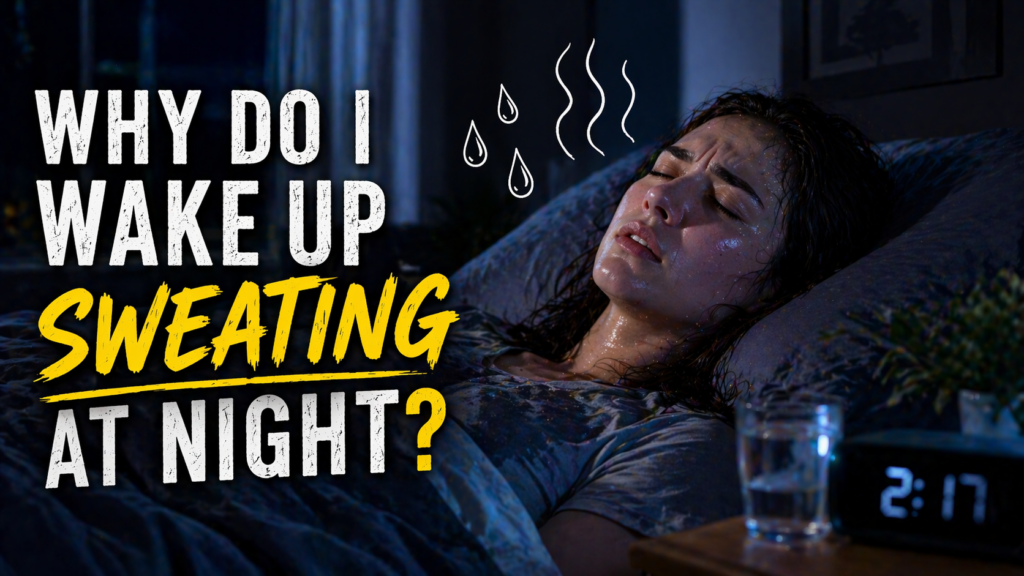
Can’t Sleep? A Cold Room Might Be the Secret Fix

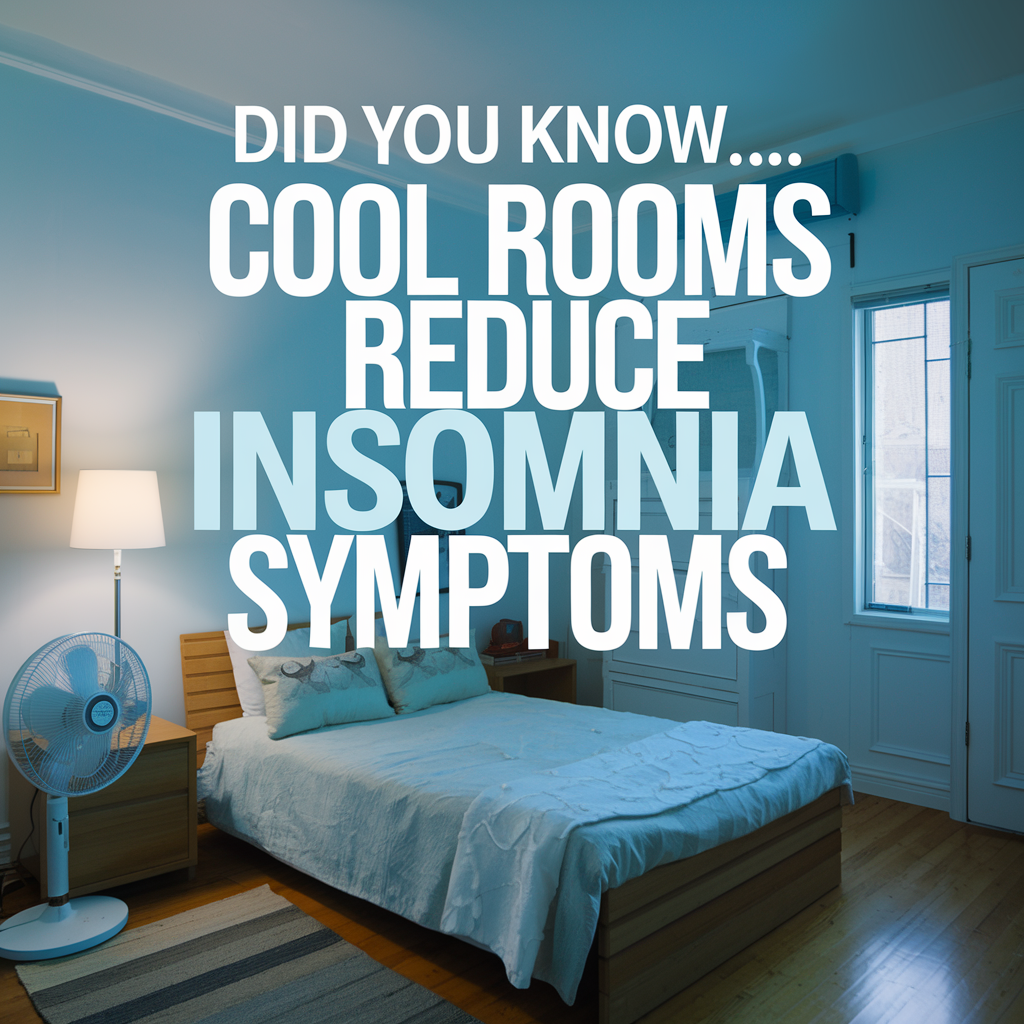
Waking up sweaty at 3AM may have less to do with your bedtime routine than your bedroom temperature. A cool 60, 67°F room, layered bedding, blackout curtains, and steady airflow helped turn restless nights into deeper, more consistent sleep.

The Stop Snoring Mouthpiece That Actually Works

A customizable mouthpiece gently moves the lower jaw forward to keep the airway open, and the adjustment may take only a few nights to feel normal. The article explains how fitting, consistency, and cleaning make it practical for quieter sleep.

Why Adrenal Fatigue Causes Insomnia and How to Fix It

Exhausted all day but suddenly alert at bedtime? The article connects that wired-but-tired pattern and 3 a.m. wake-ups to disrupted cortisol and blood sugar, then lays out practical steps involving routines, evening stress, bedroom conditions, and a small protein-rich snack.

Zoloft Insomnia: Why It Happens and How to Beat It

Zoloft insomnia often hits hardest during the first few weeks, then eases as your body adjusts. Taking the medication in the morning, tightening up sleep habits, and checking persistent problems with your doctor can make the adjustment less miserable.

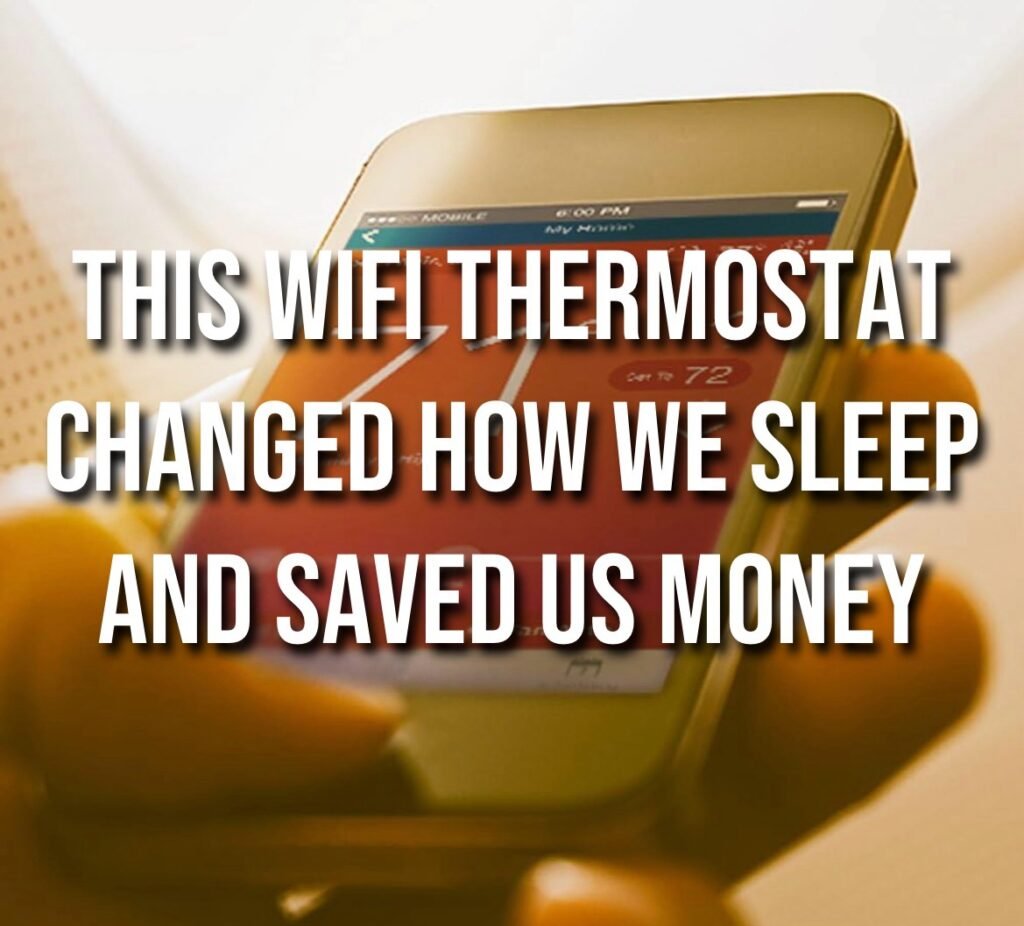
Can a Thermostat Really Improve Sleep?

A WiFi thermostat can do more than keep the room comfortable. By adjusting bedroom temperature for sleep, we found it easier to fall asleep, stay asleep longer, and spend less on heating and cooling.

Can’t Sleep Because of Anxiety at Night? Try This Instead

The fear of not sleeping can become the very thing keeping you awake, even after the stressful season has passed. A one-hour wind-down with journaling, 4-7-8 breathing, dim lights, and a cool, dark room helps retrain bedtime as calm instead of threat.