Your thermostat says 72°F. The hallway feels comfortable. Then you walk into your bedroom and wonder how those two places can be in the same house.
If your bedroom is hotter than the rest of the house at night, I’d look at when the difference appears before touching the thermostat. A room that heats up after you shut the door points toward a different problem than one that stays hot all afternoon. A room that feels fine until the AC stops points toward something else again.
You can narrow this down tonight with two thermometers and a few small changes.
Check Whether the Bedroom Is Actually Warmer
Put one thermometer in your bedroom and another near the thermostat. Keep both away from windows, lamps, vents, and direct sunlight. Compare them before bed, after the bedroom door has been shut for an hour, and when you wake up.
If you only have one thermometer, move it between the two spots and allow it time to settle. The readings won’t be perfectly simultaneous, but they can still show whether there’s a clear difference.
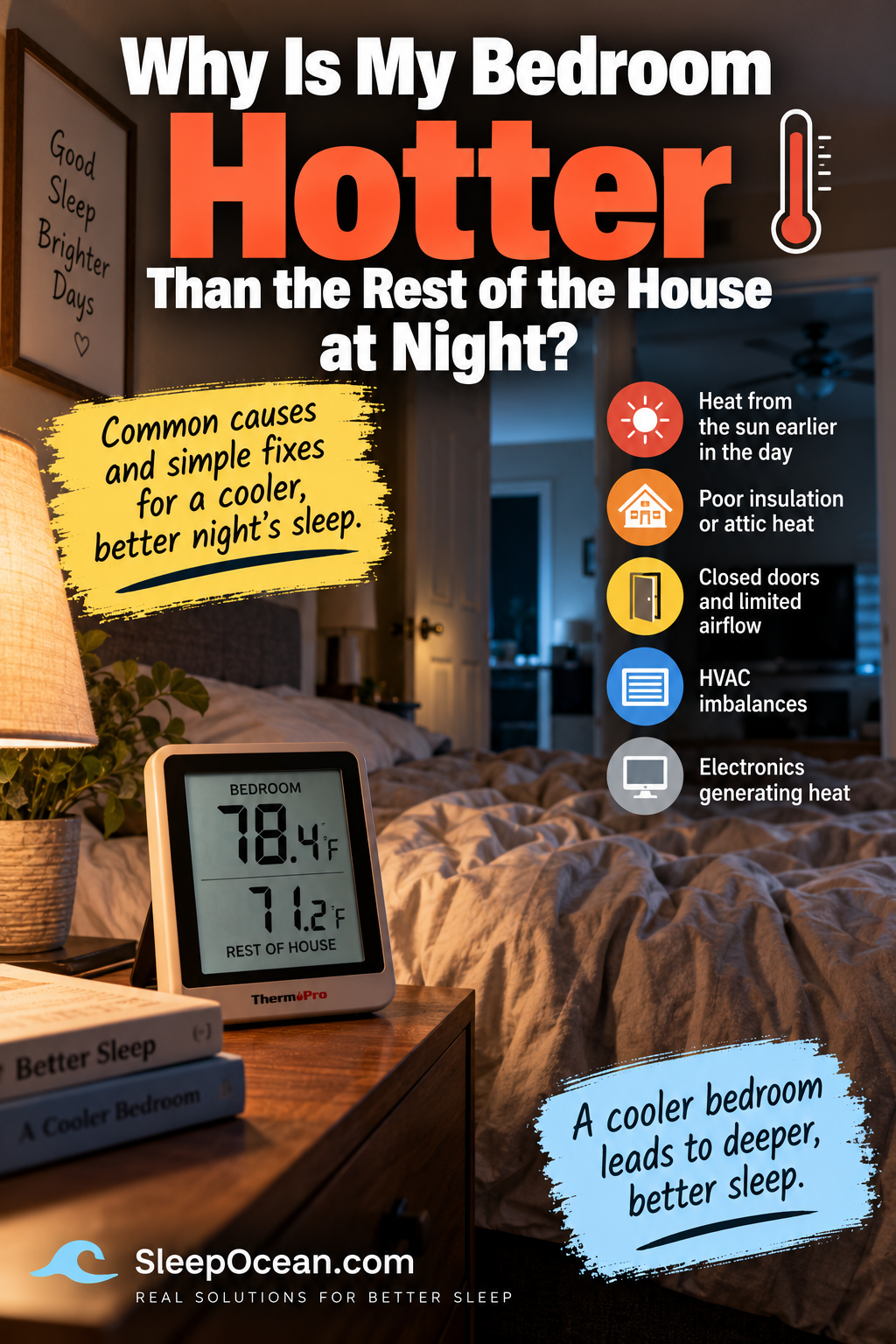
Write down three things alongside the temperatures: Was the bedroom door open or closed? Was the AC running? Did the sun hit that side of the house that afternoon? Those details are more useful than repeatedly lowering the thermostat and hoping the bedroom catches up.
I’d also check the temperature near the bed, not just beside the bedroom doorway. A thermometer on a sunny windowsill or directly in the path of an AC vent can give you a misleading picture of the air where you sleep.

If It Gets Hot After You Close the Door, Start With Airflow
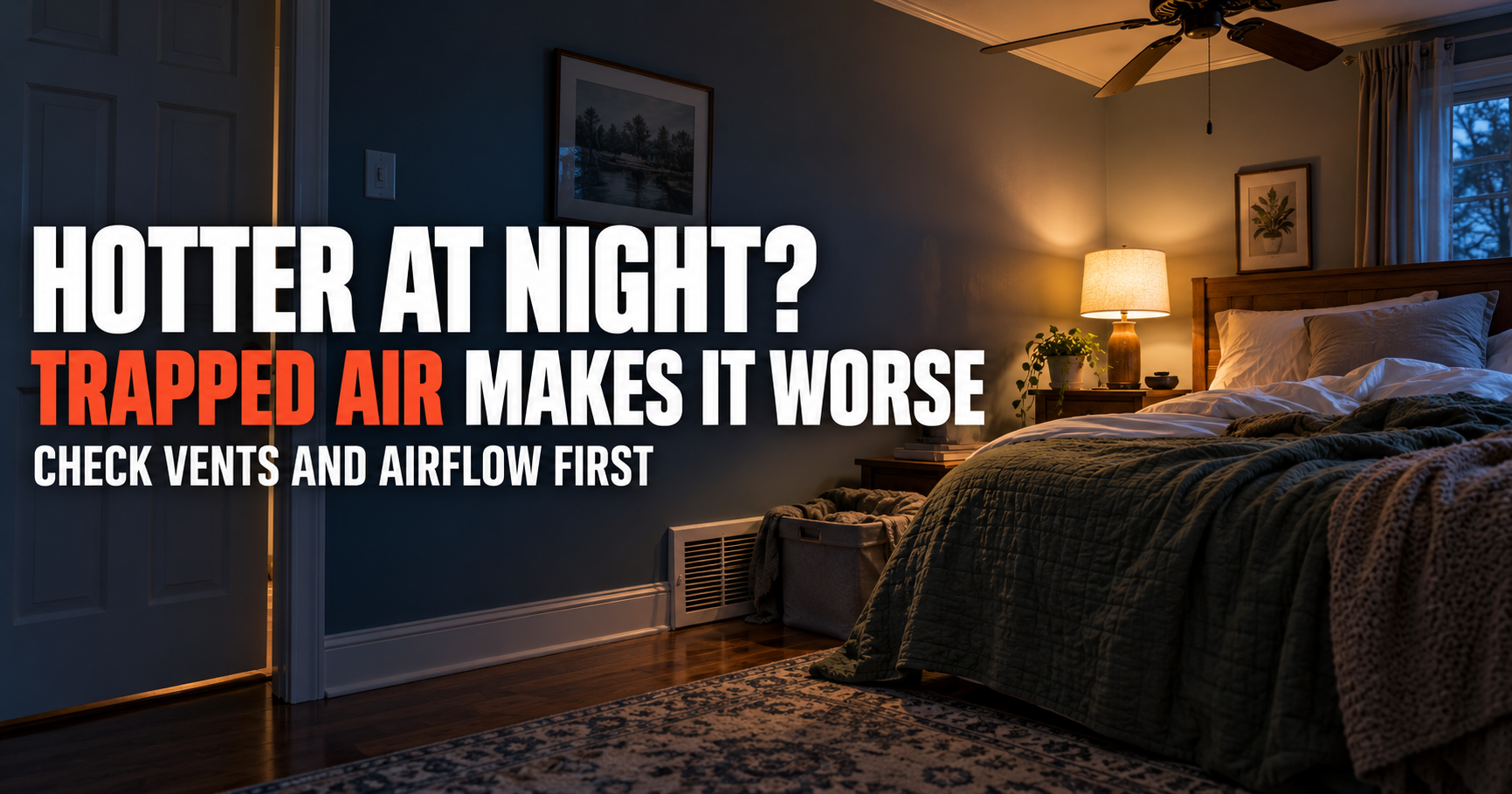
Here’s the first experiment I’d try: sleep with the bedroom door open for one night, if that works for your household. Keep the thermostat and bedding the same. If the bedroom stays noticeably cooler, the closed door may be limiting how air moves out of the room.
Many homes send conditioned air into bedrooms through supply vents while drawing air back through a central return in a hallway or another shared area. That air needs a path back. A closed bedroom door can restrict that path, although the effect depends on how the home’s ventilation was designed. The Department of Energy describes return grilles, transfer grilles, and other return-air paths used to address this issue.
What I’d check without taking anything apart:
- Is the bedroom supply vent open and free of furniture, rugs, or curtains?
- Is there a return-air grille in the bedroom, or is the nearest one outside the door?
- Does the room cool better when the door stays open?
- Does the vent deliver noticeably less air than similar vents elsewhere?
A weak vent alone does not identify the cause. A dirty filter, duct issue, closed damper, or system balance problem could each affect airflow. If the door-open test makes a large difference, tell an HVAC technician exactly that. It gives them a useful clue when checking the room’s airflow and return path.
I would not cover other rooms’ vents to force more air into the bedroom. That can create other airflow problems without fixing why this room runs hot.


If It Is Hot Before Bed, Look at Afternoon Sun
A bedroom can hold onto heat from earlier in the day, especially if it has windows facing strong afternoon sun or sits under a hot roof. By bedtime, the sun may be gone, but the room can still feel warmer than the hallway.
On a sunny day, compare the bedroom with another room around late afternoon and again at bedtime. Touch the window glass carefully and notice whether the wall or ceiling near the window feels unusually warm. You’re looking for a pattern, not trying to diagnose insulation by touch.
If the room starts heating up while the sun is on it, close the curtains or shades before the sunlight reaches the window. Waiting until bedtime may keep the light out, but it does little about heat that has already built up.
Your blackout curtains may help with both light and some of the sun coming through the window. If light still reaches your bed around the edges, I’ve laid out how to find those gaps in blackout curtains still letting light in. For this hot-bedroom problem, pay particular attention to a gap where afternoon sun strikes the room.
If one upstairs room is consistently hotter despite good airflow and window coverage, an energy assessment may be worth considering. ENERGY STAR lists uneven room temperatures among the signs that a home may benefit from attic air sealing work.
If the Room Heats Up When the AC Stops, Watch the Cooling Cycle
Sometimes the bedroom feels fine while cool air is coming from the vent. A little while after the AC shuts off, it becomes uncomfortable, even though the thermostat elsewhere still shows its target temperature.
That pattern tells me to compare the bedroom temperature with the thermostat location throughout a full cooling cycle. If the thermostat’s area cools quickly and ends the cycle while the bedroom remains warm, turning the setting down may make the rest of the house colder without keeping the bedroom comfortable.
Notice what wakes you, too. Is it the rising temperature, the loss of airflow across your skin, or the sudden quiet when the equipment stops? Those experiences can feel alike when you’re half asleep, but they call for different fixes. I walk through that timing test in wake up when the AC turns off.
Try to observe a normal night before changing a thermostat schedule or fan setting. Once you know what happens, you can change one setting and see whether it helps.


If the Air Reads Fine but the Bed Feels Hot, Check the Bed
A bedroom does not have to be several degrees warmer for sleep to feel miserable. You might be trapping heat under the covers while the air around the room stays comfortable.
Pull the covers back for a few minutes and compare how you feel sitting elsewhere in the room. If the air feels fine but you get hot again shortly after getting under the covers, I’d examine the bed setup before paying for an HVAC visit.
Start with the easiest change:
- Use a lighter blanket for one night while keeping the thermostat the same.
- If that helps, look at whether your comforter, mattress protector, or foam topper holds heat around you.
- If you share the bed, try separate covers so each person can adjust without changing the whole room.
- Check whether a fan makes you more comfortable even though it does not lower the room’s measured temperature.

There is no magic temperature that feels right under every blanket. The CDC recommends a cool, comfortable sleep environment and notes that temperature preferences differ. If an uncomfortable room is part of the problem, how bedroom temperature can affect falling asleep explains how temperature and other bedroom conditions can make it harder to fall asleep even when you are tired.
If the bedroom thermometer stays steady while you keep waking hot, I’d also read why bedroom temperature swings are wrecking your sleep and compare its patterns with what your readings actually show. That helps separate a changing room from a bed that simply feels too warm.
Check for a Humid Room That Feels Hotter Than It Reads
Two rooms can have similar temperature readings and still feel different. Humid air can make a bedroom feel stuffy, particularly when the door is closed and air circulation is poor.

A small humidity meter can help here. Place it away from the vent and window, then compare the bedroom with another room. If the bedroom repeatedly feels damp or clammy, look for an obvious moisture source, bathroom steam reaching the room, or a ventilation issue. Don’t assume lowering the thermostat is the fix. A digital hygrometer and thermometer can make those room-to-room comparisons easier to track.
If that description sounds familiar, why your bedroom feels humid at night digs into the moisture side of the problem. Pay attention to whether the room feels worse after a shower, after the door closes, or when the cooling cycle ends.
What I Would Try Tonight, in Order
I’d keep this simple enough that I could tell which change worked.
- Measure the bedroom and hallway before bed. If there is a real temperature gap, note how large it is.
- Check the vent and thermostat schedule. Make sure nothing blocks airflow and that the cooling schedule has not changed at bedtime.
- Try the bedroom door open for one night. If that is practical, see whether the temperature gap shrinks.
- Block the next afternoon’s sun early. Do this before the bedroom has time to heat up.
- Change one bedding layer on a separate night. A lighter cover can tell you whether the heat is mostly in the bed.
I would avoid changing the thermostat, fan, curtains, and bedding all at once. You might sleep better that night, but you won’t know what made the difference or what to do when the problem returns.
When the Bedroom Needs More Than a Nighttime Fix
If the room stays much hotter than nearby rooms while the AC is running, the door test and shade test give you useful information for a professional. Tell them where the thermostat is, whether the bedroom door is usually closed, which direction the windows face, and whether the vent feels weak.
A technician can assess airflow, ductwork, and system balance. Leaky or poorly insulated ducts can contribute to rooms that are too hot in summer, according to ENERGY STAR.
If the problem is most noticeable under a roof or along one exterior wall, an energy assessment can look at insulation and air leaks as well. The goal is to identify why this particular room behaves differently, rather than cooling the entire house harder to compensate for it.


Questions I Hear About a Hot Bedroom
Why is my bedroom hot when the thermostat says the house is cool?
The thermostat reads the temperature where it is installed. It does not measure your bedroom unless your system uses a bedroom sensor for control. Check both places with separate thermometers, especially after the bedroom door closes and when the AC shuts off.
Should I keep my bedroom door open at night?
It is a useful test if it fits your household. If an open door makes the bedroom cooler, ask an HVAC professional about airflow and the room’s return-air path. You can then look for a lasting fix that lets you sleep with the door the way you prefer.
Will a fan cool down a hot bedroom?
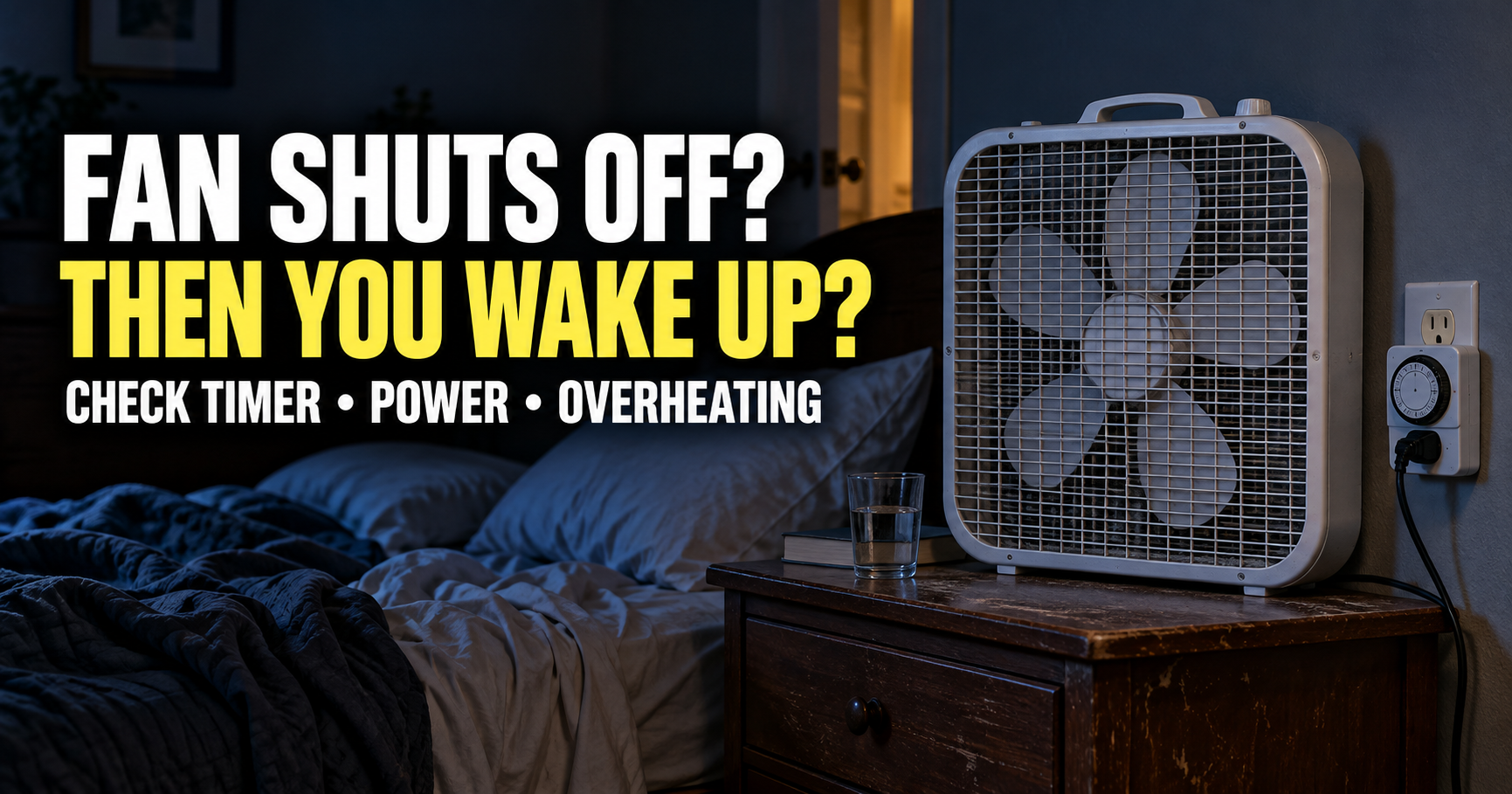
A regular fan moves air and can make you feel cooler, but it does not replace cooling or necessarily lower the room’s temperature. I’d use one for comfort while still checking why the bedroom is hotter than the hallway. If you rely on a fan to sleep, waking when your fan turns off covers what to inspect when that airflow suddenly disappears.
Why does the bedroom get hotter only after I go to bed?
The timing could point to a closed door, a thermostat schedule, the AC cycling off, or heat building up beneath your covers. Measure the room before bed and again after it feels hot. That one comparison tells you whether you need to investigate the room’s air temperature or the way the bed feels.
About Nora Whitcomb: Nora writes practical guides for Sleep Ocean that help readers trace everyday sleep disruptions to something they can observe and change. Her approach starts with the pattern in your own room, one test at a time.
As an Amazon Associate we earn from qualifying purchases through some links in our articles.