Struggling to sleep when your body is ready to rest
There was a stretch of time when every single night felt like a battle. I’d crawl into bed exhausted, convinced this would finally be the night I slept straight through until morning. Then my brain would spin, my body would fidget, and I’d be wide awake staring at the ceiling until 2 or 3 a.m. Sound familiar?
It’s frustrating when your body wants to sleep but just can’t seem to do it. I tried lavender sprays, sleep podcasts, and expensive supplements that promised to knock me out. Some were pleasant enough. None solved the real problem for long. I was still struggling to sleep and waking up feeling as if I hadn’t rested at all.
Things began to change when I stopped chasing quick fixes and paid attention to the conditions around my sleep. I built a setup that worked for me. It wasn’t complicated or especially glamorous. It was a mix of the right noise, a darker room, a cooler temperature, and a bedtime routine I could actually repeat.
If you’re wondering how to sleep better as a light sleeper, that distinction matters. I wasn’t looking for one magical product. I needed to figure out what kept interrupting my sleep and remove as many of those interruptions as I could. This might help too here’s what actually got me to fall asleep fast, even when nothing else seemed to work.

And if part of what’s keeping you up is anxiety or that dreaded racing mind—the one that suddenly reminds you of every awkward thing you’ve ever done—I’ve been there too. This is what finally helped calm my brain down so I could rest how I beat nighttime anxiety without meds or gimmicks.

The fan that became part of my sleep setup
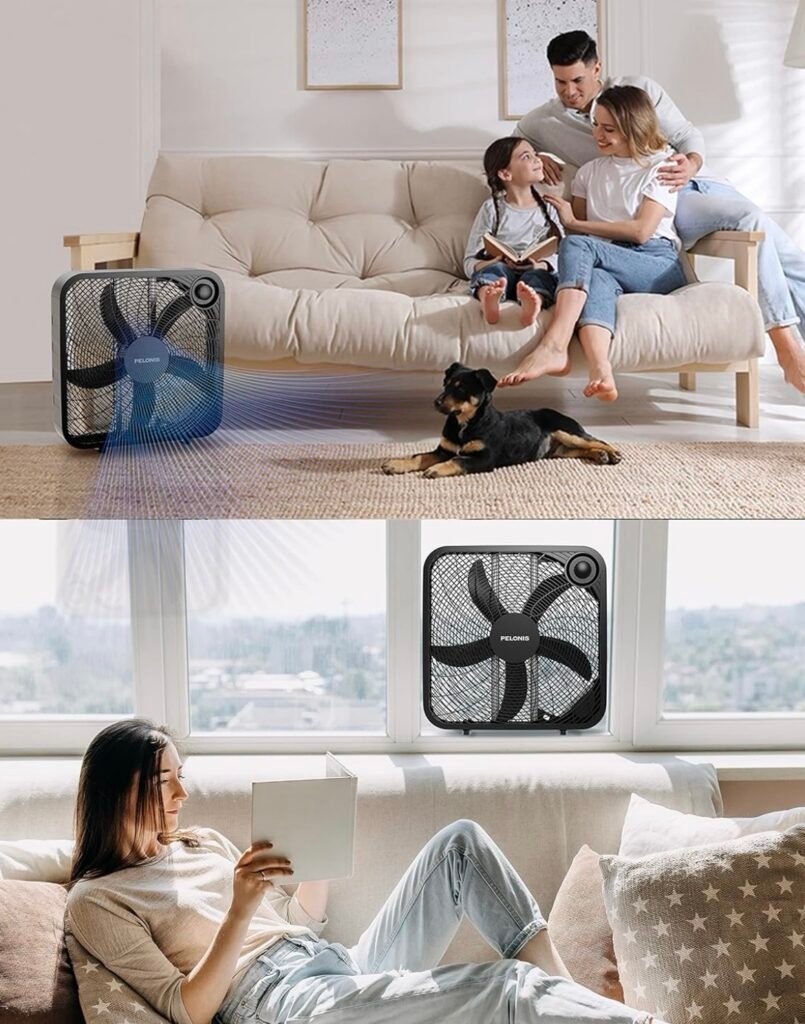
For years, I used a fan because I liked staying cool at night. I never thought of it as anything more than a way to move air around until the night I turned it off. That night, I noticed everything. The floor creaked. The fridge kicked on. My dog shifted in his bed. A car passed outside. Suddenly I was awake for every tiny sound. A box fan such as a box fan for sleeping noise can provide both airflow and a steady background sound for this kind of room.
That’s when I realized fan noise wasn’t merely nice background sound for me. It was essential. I didn’t just want it; my sleep depended on it. The steady hum gave my brain something predictable to settle into and softened the random noises that used to pull me out of sleep.
That doesn’t mean every fan will do the job. A fan can be too loud, too weak, too high-pitched, or mechanically annoying. I noticed clicking and uneven sounds much more once I started treating the fan as part of my sleep environment rather than a summer appliance. The goal for me was a deep, steady sound that stayed consistent through the night.


I started testing fans like a man on a mission. I wanted something with a deep, steady sound—not a high-pitched buzz or a fan that clicked every few seconds. Eventually I found the fan that finally let me sleep through the night—and now I don’t travel without it.

For me, placement mattered too. I didn’t want air blasting directly into my face, and I didn’t need the fan running at its loudest setting. I positioned it so the sound filled the room without making me cold. A low or moderate setting was enough as long as the hum stayed even.
If you’ve wondered whether it’s healthy to run a fan all night, I looked into that too. Here’s what I found out about sleeping with a fan on, and why it’s one of the best choices I’ve made for my sleep and my sanity.
The larger lesson was simple. Noise control worked best when it was consistent. Turning on a fan only after I had already been woken up didn’t help as much as making it part of my routine from the beginning. Once the room had its familiar sound, unexpected noises felt less dramatic.

Being a light sleeper calls for a different bedroom strategy
I used to think I was cursed with bad sleep. Every little noise, flicker of light, or shift in temperature could snap me out of deep sleep like an alarm. I’d hear my dog shake his collar, a car drive by, or a drawer close in the kitchen—and boom, I was awake and frustrated.
Turns out, I’m just a light sleeper. That isn’t a moral failure, and it doesn’t mean something is wrong with me. It does mean I had to stop expecting my bedroom to work like a generic bedroom. The small details other people might ignore were enough to disturb me.
The biggest shift came when I stopped trying to force “normal” sleep and started building an environment that supported how I sleep. I leaned into sound control, darkness, and calming my nervous system before bed. It took trial and error, but I began noticing patterns. Noise woke me up. Light made it harder to stay asleep. Heat made me restless. Screens kept my brain switched on.
That list gave me somewhere useful to begin. Instead of changing five things every night and having no idea what helped, I could work through the main triggers one by one. If your sleep is easily interrupted, it can help to ask what happens immediately before you wake up. Was there a sound, a light, discomfort, temperature change, or anxious thought? The answer may point toward a practical adjustment.
I shared my full experience in this post about light sleepers and what actually helped me. If you wake easily or feel like your body never reaches that deep, restful state, you might be more sensitive than average too—and that’s okay. There are tools that can help. You just have to set your bedroom up like it’s your sanctuary instead of treating every wake-up as a personal defeat.

Blackout curtains stopped the light from interrupting me
Noise wasn’t the only thing waking me up. I started noticing how often I stirred at the slightest bit of light: headlights on the wall, a hallway light under the door, or moonlight sneaking through the blinds. Sometimes the room didn’t look bright to me during the day, but a small change in darkness was enough to disturb me overnight. For practical guidance on choosing blackout curtains, see choosing blackout curtains before deciding what to install.
Once I realized how much that was affecting my rest, I made one simple change and put up blackout curtains.
Total game-changer.
Now my room stays pitch black from bedtime until I’m ready to wake up. It feels cooler and calmer, and the consistent darkness helps signal that the night is for sleeping—not scanning the room for shadows. I honestly didn’t expect curtains to make such a difference, but they did.
They also made my room feel less unpredictable. Headlights no longer swept across the wall, and early morning light didn’t announce the day before I was ready. If you’re sensitive to light or waking earlier than you want, check the whole room rather than just the window. Light can come under a door, from a clock, from a charger, or from a screen left face-up beside the bed.
You don’t necessarily need to redesign the room. Covering small lights, closing the bedroom door, and making sure the curtains overlap can be a reasonable starting point. For me, proper curtains were the change that made the biggest difference.
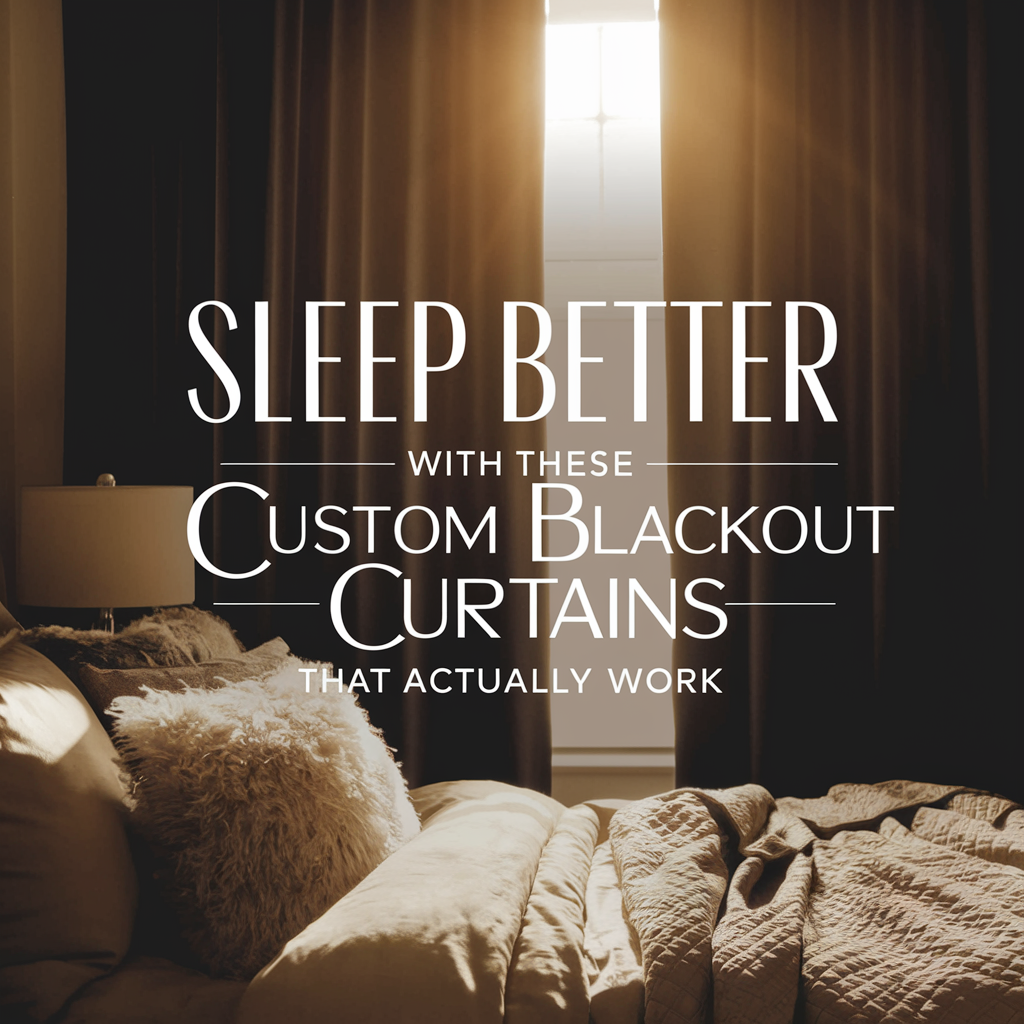
If you’re sensitive to light or waking up too early, you’ve got to try what worked for me these blackout curtains made my room finally feel like a place to sleep. I pair them with my sleep fan every night. It’s my favorite combination for sleep that actually lasts.

The temperature that made my bedroom feel comfortable
If there’s one thing I didn’t realize was affecting my sleep, it was the temperature in my bedroom. I used to wake up sweating one night and freezing the next, and I didn’t think much of it. I blamed restless sleep on everything else.
The more I paid attention to my own sleep patterns, the more I noticed that I slept better when my room stayed consistently cool. A room that began comfortable but became stuffy later was a problem. So was turning the temperature down too far and waking up cold. Consistency mattered more than chasing an extreme.
Most people sleep best in a room between 60°F and 67°F. For me, 65°F is the sweet spot. When the air is cool enough, I feel cozy under the covers without overheating. Add a gentle fan breeze and it becomes the most relaxing environment I’ve created.
That number is a starting point, not a rule I think everyone has to follow. Bedding, clothing, humidity, season, and personal comfort all change how a room feels. If you wake up hot, try lowering the temperature slightly or using lighter bedding. If you wake up cold, adjust the covers rather than making the entire room uncomfortably warm. The useful goal is a stable, comfortable sleeping environment.
It’s also worth paying attention to what happens during the night rather than judging the room at bedtime. A bedroom can feel fine when you get into bed and become too warm a few hours later. If that’s happening, a fan, breathable bedding, or a thermostat schedule may help you identify the cause instead of simply piling on more blankets.
I go into more detail in this post about the best temperature for sleep, where I talk about what finally worked for me after years of trial and error. If you’re struggling to sleep and your room feels warm or stuffy, lowering the temperature might be the easiest win you haven’t tried yet.

The hour before bed mattered more than I expected
I used to think good sleep was mostly about what happened in bed. My sleep didn’t improve until I started focusing on the 30 to 60 minutes before bed. I would scroll my phone, snack late, or watch TV until the moment I turned out the lights—and then wonder why my mind didn’t immediately become quiet.
Now I keep that part simple. About an hour before bed, I dim the lights, shut down screens, and let my brain begin to unwind. I might journal or read something light. Not a thriller, trust me. I turn on my fan, close the blackout curtains, and let the room cool down.
The order helps me. I don’t wait until I’m already lying awake to create a sleep-friendly room. I make the room darker, cooler, and quieter before getting into bed. That removes a few decisions when I’m tired and gives my body the same signals each night.
My routine isn’t perfect. Some nights run late, and sometimes I still use my phone longer than I intended. The point isn’t to perform a flawless ritual. It’s to create a repeatable landing strip between the day and sleep. A routine can include a shower, gentle stretching, journaling, reading, or simply dimming the lights. It should feel calming rather than like another assignment you can fail.

Here’s how I built that new bedtime flow my sleep hygiene tips that actually worked. And if you’re like me and your brain races the second your head hits the pillow, this one helped me a ton why my brain wouldn’t shut off at night—and what finally helped.
You don’t need a ten-step routine. A few intentional choices are enough to tell your body that the day is ending. The most useful routine is the one you can repeat on ordinary nights, not the impressive one you abandon after three days.
The sleep fixes I stopped wasting energy on
Before I figured out what helped me sleep, I wasted a lot of time and money on things that didn’t do much. It wasn’t for lack of trying. I wanted something easy and quick that would knock me out. But typical advice often missed the actual problem for me as a light sleeper who was constantly struggling to sleep through the night.
Melatonin gave me weird dreams and didn’t stop me from waking up at 3 a.m. White noise apps sounded too fake or repetitive and made me more aware of the noise. Essential oils and sleep sprays smelled nice but didn’t help me stay asleep. Earplugs were uncomfortable and made me feel as if I was in a bubble.
Even “just relax” and “try counting backwards” were frustrating. Those suggestions made it sound as though I was failing at a simple task. What I needed wasn’t a gimmick. I needed consistency. I needed to block noise, control the light, and calm my body down. That meant building a bedroom that supported sleep rather than hoping a new supplement would magically fix everything.
This doesn’t mean every product I disliked is useless for everyone. It means I learned not to keep forcing a solution that clearly wasn’t helping me. If something makes you more uncomfortable, more alert, or more focused on whether you are asleep yet, it may not belong in your routine.
The biggest shift came when I stopped looking for shortcuts and focused on simple, real changes—like finding the fan that actually worked for me, using blackout curtains, and setting a consistent bedtime wind-down.
Where to begin when sleep still feels impossible
I wish I could hand my past self a checklist and say, “Do these five things, and you’ll finally sleep.” The truth is that learning how to sleep well when you’re wired like me takes trial, patience, and a little experimenting. Still, I can say this confidently: if you’re struggling to sleep, you don’t have to stay stuck there.
Start with the problem you can identify most clearly. If random sounds wake you, try a consistent fan or another sound-control approach. If light wakes you, deal with the window, door, and electronics. If you’re hot, adjust the room or bedding. If your mind becomes busy at bedtime, create a wind-down period before you get under the covers.
Change one major thing at a time when possible. If you replace the curtains, buy a new supplement, change the room temperature, and alter your entire schedule on the same night, you won’t know which adjustment helped. Give a change enough time to judge fairly, while still paying attention to whether it makes you feel worse or more uncomfortable.
Also, don’t treat one bad night as proof that the whole plan failed. Sleep varies. I still wake up sometimes. The difference is that I no longer assume one interruption means the entire night is ruined. I avoid checking the clock, take a few slow breaths, and return my attention to the familiar sound and feel of the room.
Maybe being a light sleeper doesn’t mean you’re broken. It may simply mean you need a different strategy. That’s exactly what I walk through in this guide I wrote for other light sleepers for people who feel they’ve tried everything.
Struggling to sleep doesn’t mean you’re out of options. It means your sleep needs more attention and care than a random product promise can provide. Once I gave the basics that attention, things started to shift. I’m sleeping better now than I ever have, and if I can get here, you can too.
My personal sleep checklist
If you’re overwhelmed and don’t know where to begin, I get it. That was me too. To make it easier, here’s the list I started using to get my sleep back on track. It’s nothing fancy, but each part made a difference. Together, they helped me stop struggling to sleep and finally feel rested again.
1. Turn on my fan before anything else
It sets the mood immediately. The soft, steady hum blocks the sounds that used to wake me up. I found my favorite fan after trying a bunch this one worked like magic.
2. Shut the blackout curtains and dim the lights
The darker my room, the better I sleep. If you’ve never tried it, blackout curtains can make a huge difference. I also check for light under the door and small glowing electronics because those details can be surprisingly distracting.
3. Cool the room to 65°F
I sleep best when it’s cool and quiet. No more stuffy room or waking up drenched in sweat. If you’re not sure where to start, this post explains the perfect temperature. Adjust from there based on how you actually feel overnight.
4. Avoid screens for 30 to 60 minutes before bed
I know it’s hard. Swapping my phone for a book helped my brain wind down. Soft lighting and fan noise made the transition easier, and putting the phone somewhere I couldn’t casually reach kept me from checking it every few minutes.
5. If I wake up, I reset instead of spiraling
Sometimes I still wake up. Now I take a few deep breaths, turn to my side, and let the fan’s hum pull my attention away from the interruption. I don’t check the clock, and I don’t pressure myself to fall asleep immediately. The less drama I attach to the wake-up, the easier it is to settle again.
That last step took practice. At first, not checking the time felt impossible because I wanted to know how much sleep I had lost. But watching the numbers made me calculate the rest of the night, which only made me more alert. Removing that information gave my brain less material to worry about.
If you’re like I was—lying there night after night wondering what’s wrong with you—start with one item. Try the fan. Try the curtains. Lower the temperature a little. Put the phone away before bed. Or build your own version of this checklist instead of copying mine exactly.
If your sleep issues go beyond these basics, here’s a deeper dive into what helped me fall asleep faster, and what finally brought peace to my racing thoughts at night this helped when anxiety ruined my sleep.

Your sleep can get better. Mine did, and I was struggling hard. You need the right setup, some patience, and a willingness to notice what your body actually needs. That may look different from my setup, and that’s fine.
What helped me was not one perfect night or one miracle product. It was removing the things that kept jolting me awake and repeating the conditions that made rest easier. A steady sound, a dark room, a comfortable temperature, and a calmer hour before bed gave me a place to start.
And when you do find that combination, you realize sleep doesn’t have to remain a mystery. It can become one of the best parts of your day.
As an Amazon Associate we earn from qualifying purchases through some links in our articles.