Waking up drenched in sweat at night isn’t just uncomfortable — it’s a signal. Here are the most common causes of night sweats and exactly what to do about each one.
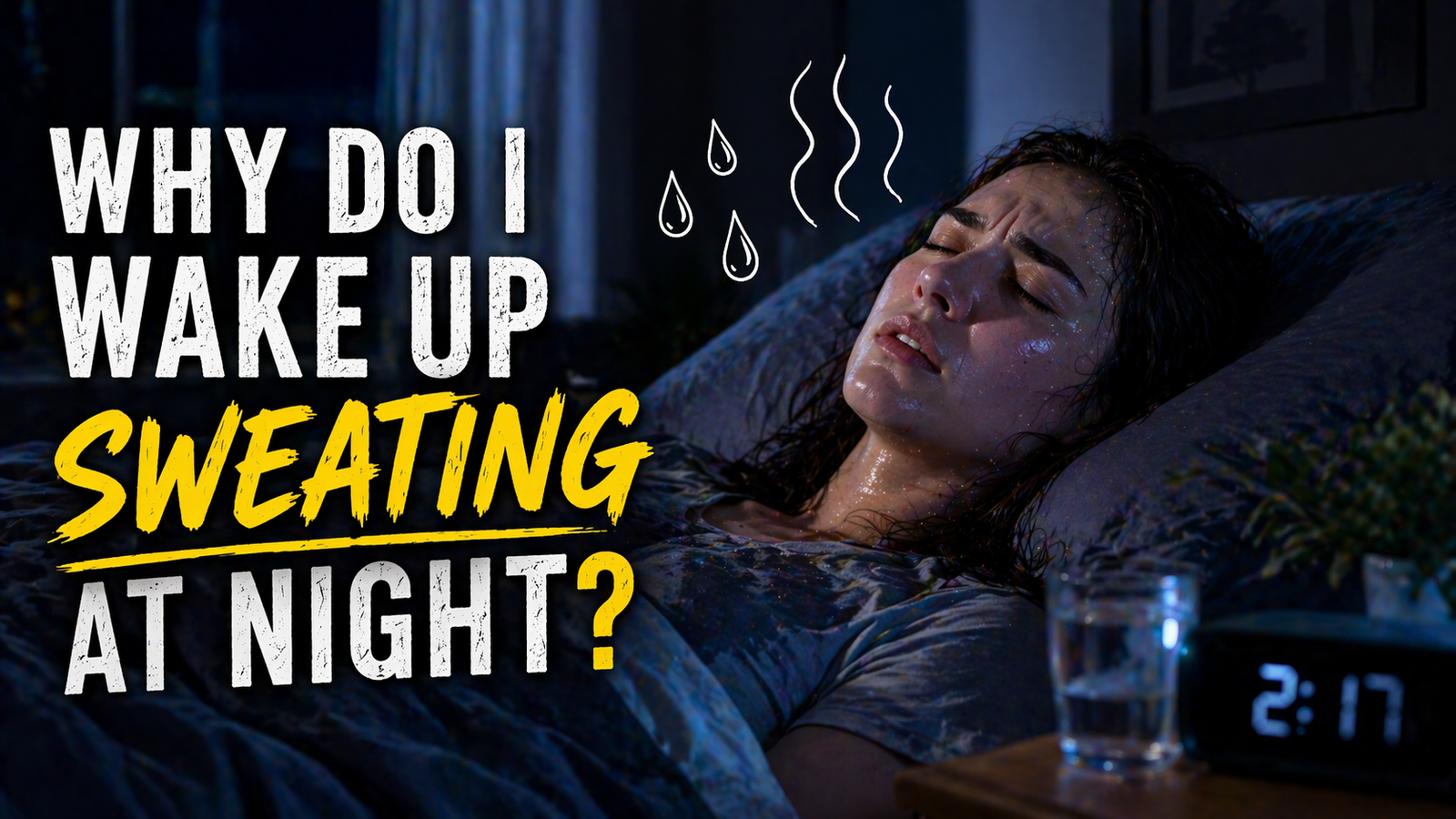
Waking Up Drenched in Sweat — Here’s What Your Body Is Trying to Tell You
There’s a big difference between being warm at night because your bedroom is too hot and waking up soaked in sweat for no obvious reason. The first is an environment problem. The second — true night sweats — is your body running a process it shouldn’t be running while you sleep, and it’s worth paying attention to.
Night sweats are defined as repeated episodes of heavy sweating during sleep that soak your clothing or bedding and aren’t explained simply by a warm room. They can be mildly annoying or severe enough to disrupt your sleep multiple times a night. And while many causes are benign and fixable, some are important signals that need proper attention.
Here’s a thorough breakdown of every major cause — so you can identify which one is most likely driving yours and know exactly what to do about it.
First: Is Your Room Actually Too Hot?
Before going down the medical rabbit hole, rule out the obvious. If your bedroom runs warm — above 68°F — night sweating is often simply your body’s thermoregulation working exactly as designed. Your core body temperature naturally rises and falls during sleep, and if the environment can’t absorb that heat, you sweat.
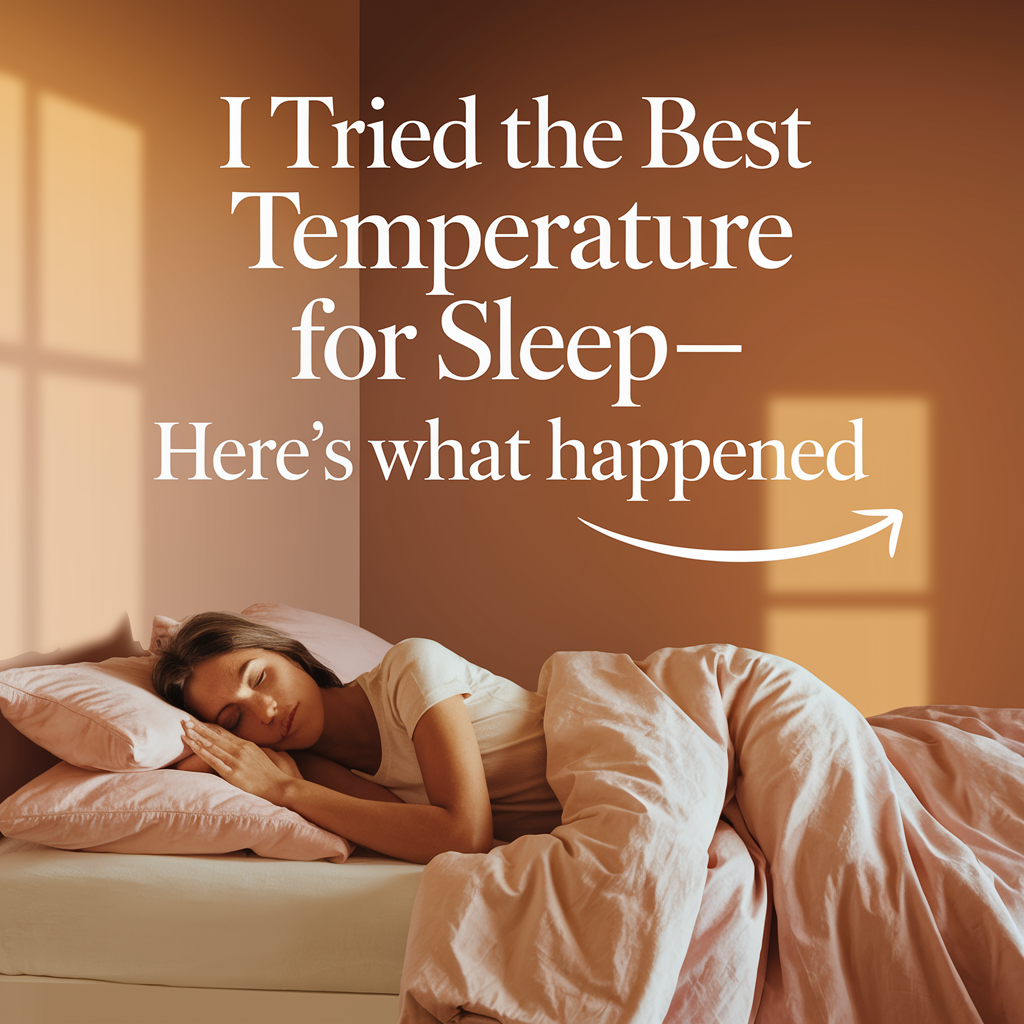
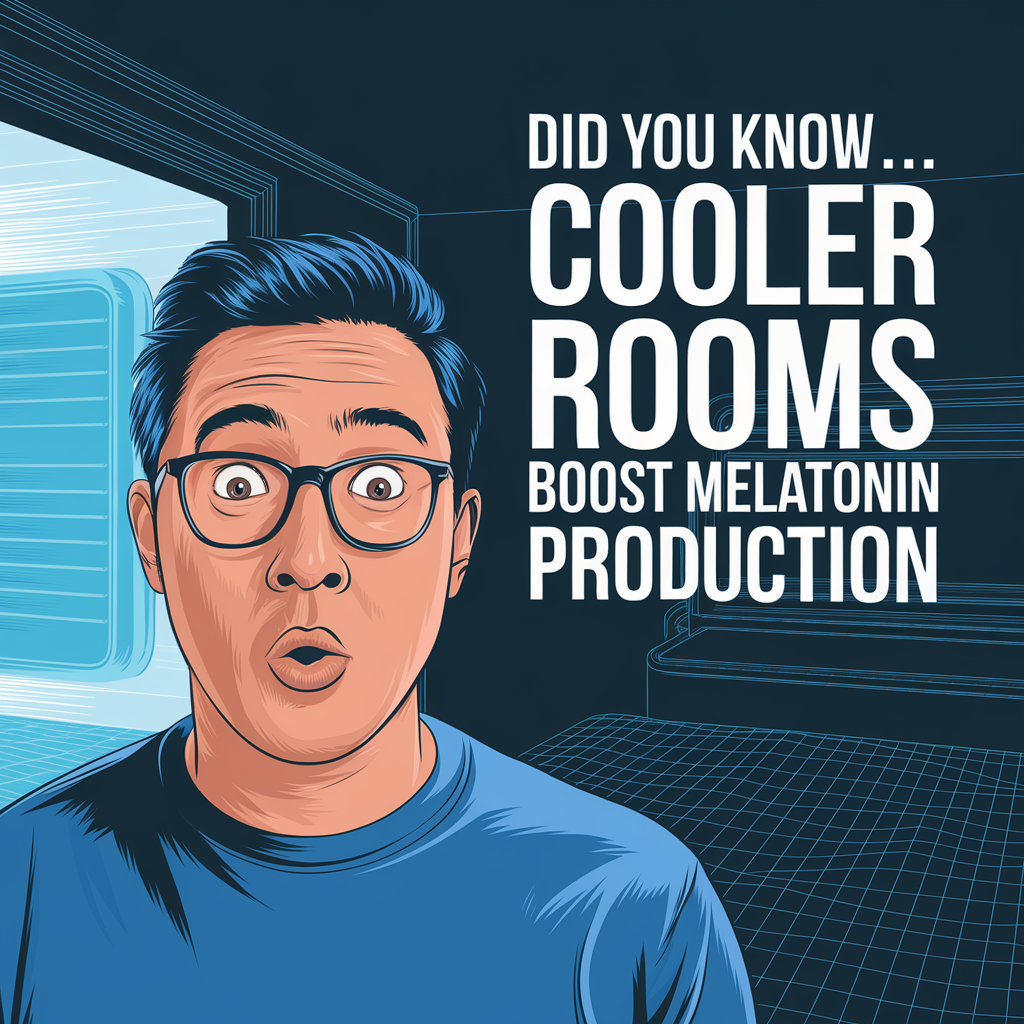
Most people dramatically underestimate how much room temperature affects sleep quality and body temperature regulation overnight. The ideal sleep temperature is between 60 and 68°F — cooler than most people keep their bedrooms. Cooler rooms also boost melatonin production, making the temperature fix a double win.
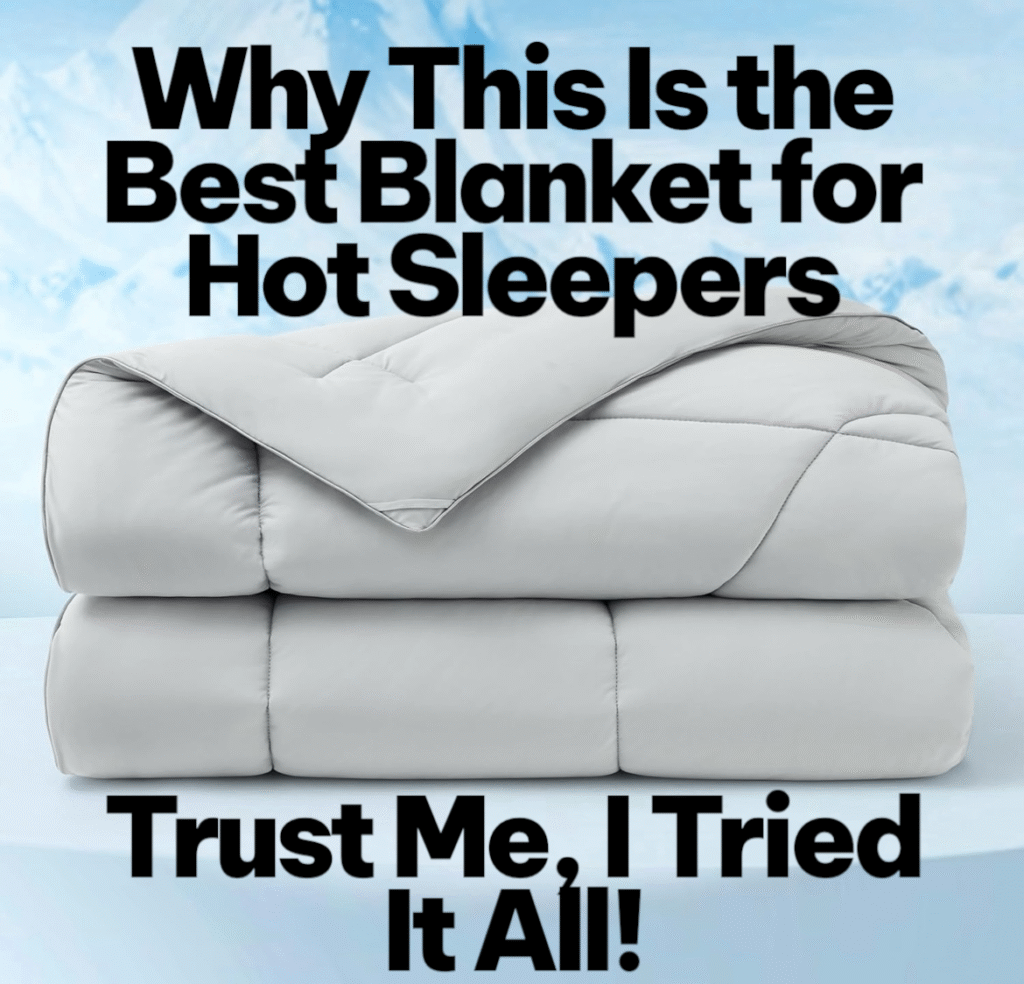
Heavy blankets, synthetic bedding, and tight sleepwear all trap heat and contribute to sweating even in a reasonably cool room. If you sleep hot, your bedding choice matters enormously. A fan running overnight both cools the air and increases evaporation from skin, which dramatically reduces sweating.
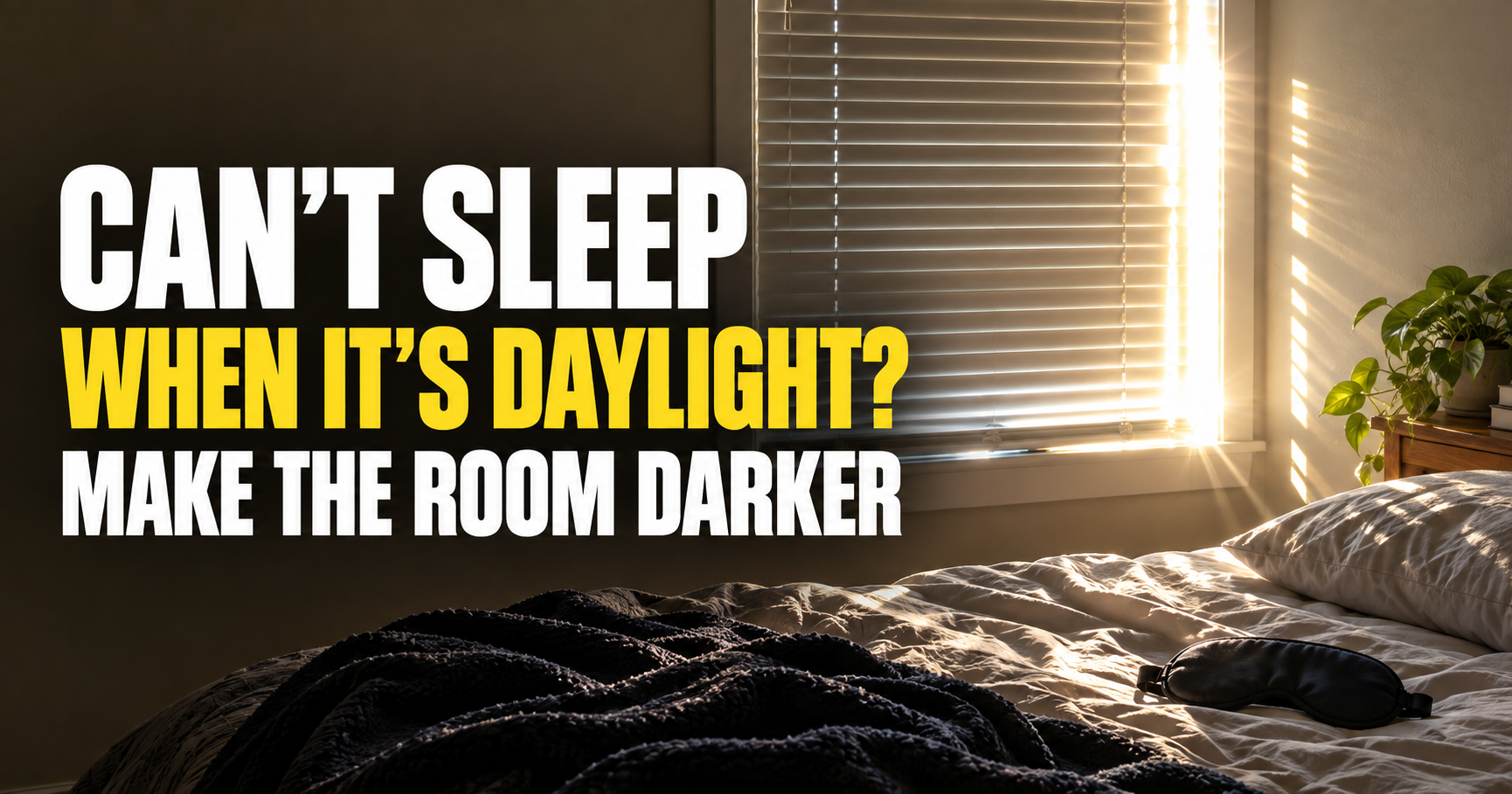
If fixing the room temperature and bedding doesn’t resolve the sweating, keep reading — the cause is something else. If outside light or heat is contributing to an uncomfortable room, a ChrisDowa blackout panel is another environmental adjustment to consider.
1. Hormonal Changes — Especially in Women
Hormonal fluctuation is one of the most common drivers of true night sweats, particularly in women. The connection is well established and affects women across several life stages.
Perimenopause and menopause are the most widely recognized cause. As estrogen levels decline and fluctuate during the transition to menopause, the brain’s hypothalamus — which regulates body temperature — becomes hypersensitive to small temperature changes. This triggers hot flashes and night sweats as the body incorrectly interprets normal temperatures as overheating and initiates sweating to cool down.
Perimenopausal night sweats can begin years before periods actually stop, often catching women off guard in their early to mid-forties. They can range from mild warmth to drenching episodes that require a change of clothing and sheets. Sleep disruption from these events compounds into significant sleep deprivation over time. A perimenopause symptom tracker can help you record night-sweat patterns and prepare useful details for a doctor’s visit.
The menstrual cycle also drives night sweat patterns in younger women. Progesterone levels rise after ovulation and drop sharply just before menstruation — this drop triggers a slight elevation in body temperature that can produce sweating in the nights leading up to a period.
Pregnancy produces significant hormonal shifts that commonly cause night sweats, particularly in the first trimester and postpartum period.

What to do: For perimenopausal and menopausal night sweats, speak with your gynecologist or doctor. Hormone replacement therapy (HRT) is highly effective for many women. Non-hormonal options including certain antidepressants, gabapentin, and lifestyle interventions are also used. Cooling the bedroom aggressively, using moisture-wicking bedding, and keeping a fan directed at the bed helps manage symptoms in the meantime. A programmable thermostat that drops overnight can make a real difference.
2. Sleep Apnea
This is one of the most underrecognized causes of night sweats. Sleep apnea causes repeated partial or complete airway collapse during sleep, each episode triggering a physical stress response as the body works harder to breathe. That physical effort, combined with the surge of stress hormones each event produces, generates significant body heat — and sweating is the result.
Night sweats associated with sleep apnea are often concentrated around the head and neck, which makes sense given the respiratory effort involved. They’re frequently paired with other classic apnea symptoms: loud snoring, waking with a dry mouth or headache, feeling completely unrestored despite adequate hours, and daytime brain fog.
If you’re waking up sweaty and exhausted and haven’t been screened for sleep apnea, this combination of symptoms makes it a strong candidate. Untreated sleep apnea carries serious long-term health consequences well beyond the sweating and poor sleep.
What to do: Get evaluated. A sleep study is the gold standard for diagnosis. In the meantime, side sleeping reduces apnea events and may reduce associated sweating. If you also snore, an anti-snoring mouthpiece can reduce airway restriction while you pursue formal diagnosis.

3. Stress, Anxiety, and Cortisol
Your nervous system doesn’t fully clock out when you fall asleep. If you’re carrying significant stress or anxiety, your body can remain in a state of low-level activation throughout the night — with stress hormones, particularly cortisol and adrenaline, running at higher levels than they should during sleep.
Elevated cortisol and adrenaline at night both raise body temperature and trigger the same sweating response that stress produces during the day. You may not fully wake during these episodes, but you’ll often rouse briefly — and by morning you’re damp, poorly rested, and carrying the residue of a night your nervous system spent working rather than recovering.
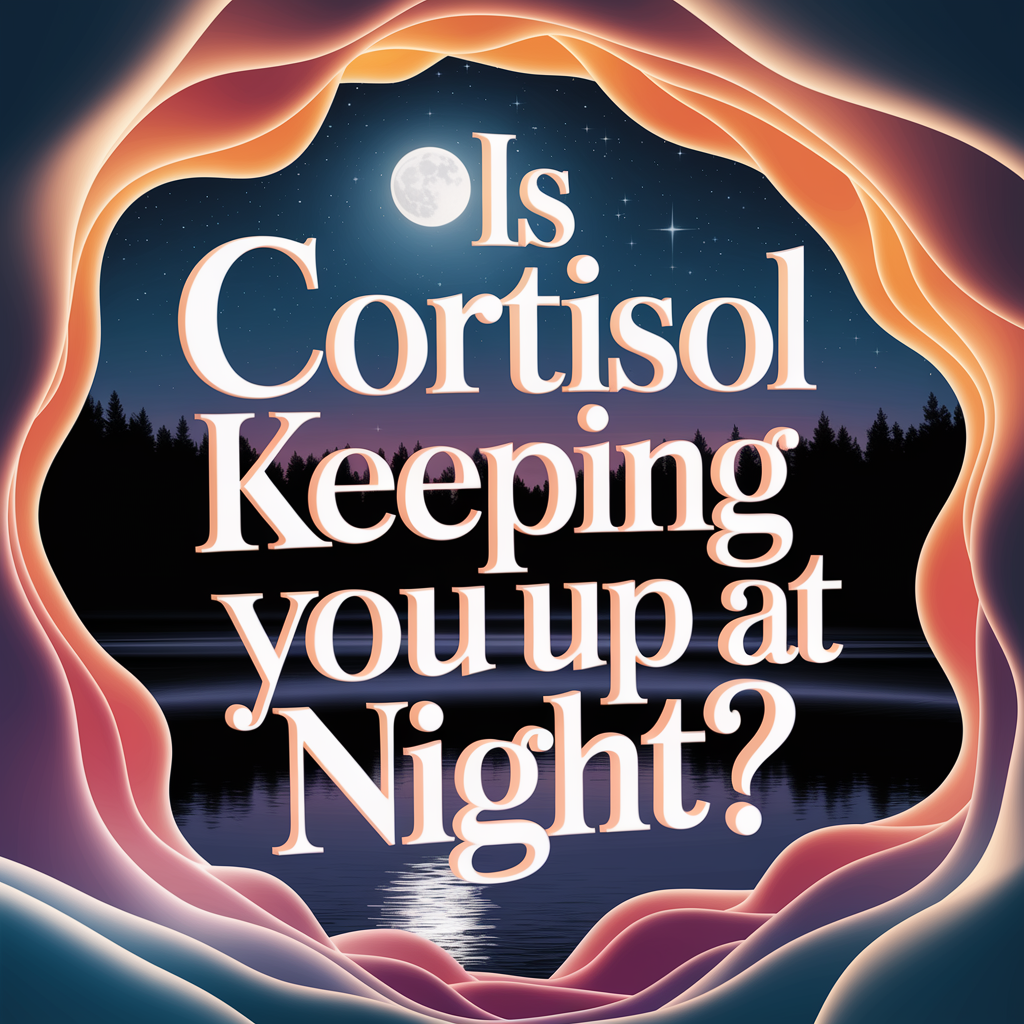
If your night sweats tend to be worse during particularly stressful periods — a demanding work stretch, relationship tension, major life changes — the stress-cortisol connection is almost certainly involved. Read more about how cortisol disrupts sleep and what you can do to bring it down before bed. Chronic stress that bleeds into nighttime needs to be addressed at the source, not just at bedtime.

What to do: A consistent wind-down routine that actively lowers nervous system activation — no screens, dim lighting, journaling, light stretching — is the foundation. For significant anxiety, working with a therapist or doctor on the underlying anxiety is more effective than any sleep hack. Practical nighttime anxiety strategies can help bridge the gap.
4. Medications
A surprisingly wide range of common medications list night sweats as a side effect. If your night sweats started or worsened around the same time as a new medication, the connection is worth investigating.
The most commonly implicated medications include:
- Antidepressants — SSRIs and SNRIs are among the most frequent causes of medication-induced night sweats. Zoloft, Prozac, Lexapro, Effexor, and Cymbalta are all commonly associated. SSRIs affect sleep architecture in multiple ways, and night sweating is one of the more disruptive side effects.
- Blood pressure medications — particularly beta-blockers and calcium channel blockers
- Diabetes medications — especially those that lower blood sugar, since hypoglycemia overnight triggers sweating
- Hormone therapies — including tamoxifen used in breast cancer treatment
- Steroids — both prescription corticosteroids and anabolic steroids
- Some pain medications and opioids
What to do: Never stop a prescribed medication without speaking to your doctor first. But do bring up the night sweats — there are often alternative medications in the same class with less pronounced sweating side effects, or timing adjustments that can reduce the problem. Don’t suffer through medication-induced night sweats silently assuming nothing can be done.
5. Alcohol and Substance Use
Alcohol is a common and often underappreciated cause of night sweats. The body metabolizes alcohol into acetaldehyde — a toxic compound that triggers a flush response, dilating blood vessels and producing heat and sweating as the body works to process and eliminate it. This process typically peaks 3–4 hours after drinking, which for many people lands squarely in the middle of their sleep.
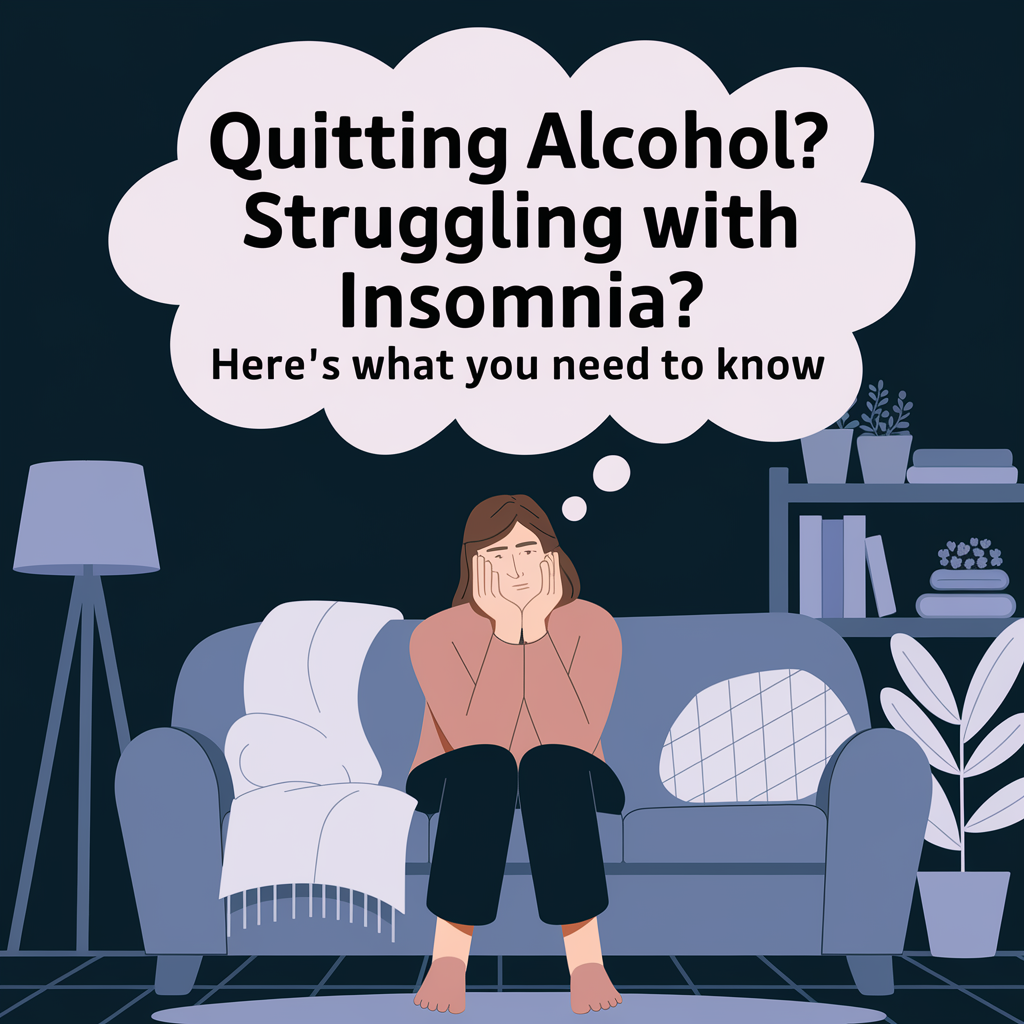
Beyond the metabolic process, alcohol disrupts the nervous system’s temperature regulation and suppresses normal sleep architecture — particularly REM sleep — creating a chaotic second half of the night as the body rebounds. The relationship between alcohol and disrupted sleep runs deeper than most people realize.
For people who drink heavily and then stop, alcohol withdrawal itself produces intense night sweats — this is one of the hallmark symptoms of withdrawal and can be medically significant.
What to do: Cut off alcohol at least 3 hours before bed when possible, and reduce overall intake if evening drinking is a regular pattern. Hydrate well before sleep after drinking. If night sweats are a regular occurrence specifically tied to alcohol use, it’s worth evaluating the role alcohol is playing in your overall health and sleep quality.
6. Infections and Illness
The immune system runs hot. When your body is fighting an infection — even a low-grade one you’re not fully aware of — it elevates body temperature as part of the immune response, and night sweats are a common byproduct.
Most people are familiar with sweating through a fever during an acute illness. But certain infections cause persistent night sweats as a primary symptom, sometimes before other symptoms make the illness obvious. Tuberculosis is the classic historical example, but more relevant today: HIV infection, endocarditis (heart valve infection), osteomyelitis (bone infection), and some fungal infections all commonly present with night sweats.
Mononucleosis and other viral illnesses can produce weeks of night sweating during the active infection and recovery phase.
What to do: If night sweats are accompanied by unexplained weight loss, persistent fever, fatigue that isn’t explained by poor sleep, swollen lymph nodes, or other symptoms of illness, see a doctor promptly. Persistent night sweats without a clear lifestyle explanation warrant a basic medical workup to rule out infection.
7. Hypoglycemia — Low Blood Sugar Overnight
The brain demands a continuous supply of glucose. When blood sugar drops significantly during the night — which can happen in people with diabetes, pre-diabetes, or those who didn’t eat adequately before bed — the body responds with an adrenaline surge to trigger glucose release. That adrenaline spike raises body temperature and causes sweating.
Nocturnal hypoglycemia night sweats are often accompanied by feeling shaky, having a racing heart, or waking feeling anxious and unsettled — the classic signs of an adrenaline response. People with type 1 or type 2 diabetes on insulin or certain oral medications are at higher risk, but it can happen in anyone.
What to do: If you’re diabetic or suspect blood sugar issues, discuss nocturnal hypoglycemia with your doctor — medication timing and dosing adjustments may be needed. For non-diabetic people, a small complex-carbohydrate snack before bed can help stabilize blood sugar through the night. If you regularly wake feeling shaky or with a racing heart alongside the sweating, this warrants medical evaluation.
8. Thyroid Issues — Hyperthyroidism
An overactive thyroid (hyperthyroidism) accelerates the body’s metabolism — turning up the heat in every system. Excessive sweating, including night sweats, is one of the hallmark symptoms. Other signs of hyperthyroidism include unexplained weight loss despite normal or increased appetite, rapid heartbeat, feeling warm all the time, anxiety, and trembling hands.
Thyroid issues are more common in women and often go undiagnosed for months or years. A simple blood test measuring TSH (thyroid-stimulating hormone) can screen for both over and underactive thyroid function.
What to do: If night sweats are accompanied by any of the other hyperthyroid symptoms above, ask your doctor for a thyroid panel. Hyperthyroidism is very treatable — and once treated, the night sweats typically resolve.
9. Autoimmune Conditions
Several autoimmune conditions list night sweats among their symptoms. Rheumatoid arthritis, lupus, and other inflammatory conditions involve immune system dysregulation that can produce systemic inflammation and temperature dysregulation — resulting in sweating episodes during sleep.
If night sweats are accompanied by joint pain, skin changes, fatigue disproportionate to sleep quality, or a history of autoimmune conditions in your family, this is worth raising with your doctor as part of the broader picture.
10. Cancers — When to Take This Seriously
This is the cause people fear most when they search night sweats — and it’s important to address it honestly. Certain cancers, most notably lymphoma and leukemia, do commonly present with drenching night sweats as an early symptom. These are typically described as severe — soaking through clothing and sheets — and are often accompanied by unexplained weight loss and persistent fatigue.
However, cancer is far from the most common cause of night sweats. The vast majority of people experiencing night sweats have one of the benign, fixable causes listed above. Night sweats become more concerning when they are severe, persistent, cannot be explained by any lifestyle or medication factor, and are accompanied by other systemic symptoms.
What to do: Don’t catastrophize a sweaty night. Do see a doctor if sweats are severe, have been going on for more than a few weeks without explanation, and are paired with other unexplained symptoms. A basic blood panel and physical exam can rule out the serious causes quickly and give you peace of mind.
Practical Steps to Reduce Night Sweats Starting Tonight
While you work on identifying your specific cause, these environmental and behavioral changes reduce sweating for almost every cause:
- Drop the bedroom temperature to 65°F or below — use a programmable thermostat if possible
- Switch to moisture-wicking, breathable bedding — cotton and bamboo over synthetic materials
- Run a fan directed at the bed for airflow and evaporative cooling
- Wear loose, lightweight, breathable sleepwear or nothing at all
- Cut off alcohol at least 3 hours before sleep
- Avoid spicy food in the hours before bed — capsaicin raises body temperature
- Keep a glass of cold water on the nightstand
- Manage stress with a real wind-down routine, not just hoping sleep comes

If bedroom humidity is running high, that compounds the sweating problem significantly — sweat evaporates poorly in humid air, making you feel hotter and wetter. A bedroom dehumidifier addresses this directly and is one of the more underrated comfort upgrades for hot sleepers.
The Bottom Line
Waking up sweating is your body communicating something — and the message varies widely depending on the cause. Room temperature and bedding are the first things to rule out. From there, the combination of symptoms you’re experiencing points toward the most likely culprit: hormones, sleep apnea, stress, medications, or something worth getting checked medically.
Most people who address night sweats systematically — starting with environment, then lifestyle, then medical evaluation if needed — find their way to real relief. Don’t normalize it as just how you sleep. It’s not.
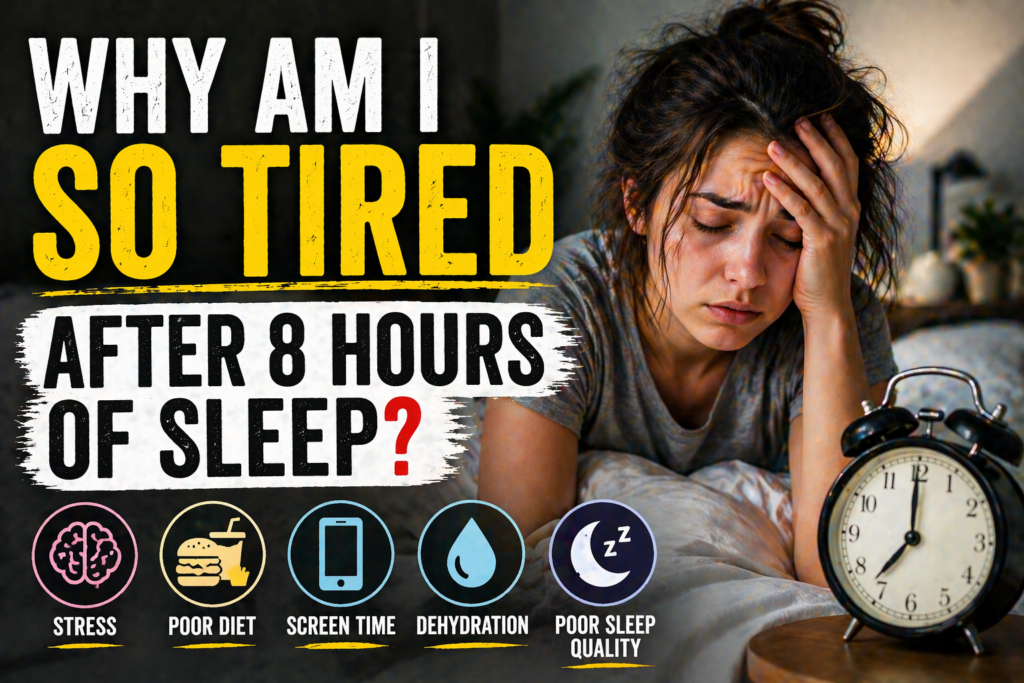
If you’re also waking up exhausted despite adequate sleep, the night sweating and the tiredness likely share a root cause — start with this breakdown of why sleep isn’t restoring you. And if you’re working through broader sleep problems, the full sleep improvement overview covers the complete picture.
Frequently Asked Questions
What is the most common cause of night sweats?
In women over 40, hormonal changes related to perimenopause and menopause are the most common cause. In the general population, a warm sleep environment, stress and anxiety, and sleep apnea are the most frequent culprits. Medications — particularly antidepressants — are also a very common and underrecognized cause.
Should I be worried about night sweats?
Most night sweats have benign, treatable causes. You should see a doctor if sweats are severe, have persisted for more than a few weeks without a clear explanation, or are accompanied by unexplained weight loss, fever, or fatigue. Those combinations warrant a medical workup to rule out infection or other underlying conditions.
Can anxiety cause night sweats?
Yes. Elevated stress hormones — particularly cortisol and adrenaline — raise body temperature and trigger sweating during sleep. People going through high-stress periods often experience night sweats as a direct result of the nervous system remaining activated during sleep.
Do night sweats mean I have cancer?
Night sweats are a symptom of certain cancers, notably lymphoma, but they are far more commonly caused by benign factors like hormonal changes, sleep apnea, stress, and medications. Cancer-related night sweats are typically severe, drenching, and accompanied by other systemic symptoms like unexplained weight loss. If you’re concerned, a visit to your doctor and basic bloodwork will provide clarity.
Why do I sweat only at night and not during the day?
Night sweats often have causes that are specific to the sleep state — hormonal fluctuations that peak during sleep, apnea events that only occur when muscles relax horizontally, blood sugar drops that occur during the overnight fast, and cortisol patterns that are disrupted specifically during sleep. The horizontal position and the physiology of sleep itself create conditions that don’t exist during the day.
Can changing my diet stop night sweats?
Dietary changes can reduce night sweats in some cases. Avoiding alcohol, spicy foods, and caffeine in the hours before bed reduces heat production during sleep. Eating a small, blood-sugar-stabilizing snack before bed can prevent hypoglycemia-triggered sweating. For hormone-related sweating, some people report that reducing alcohol and processed foods helps, though dietary interventions alone rarely resolve significant hormonal night sweats.
About the Author: Dana Holloway
Dana has written extensively about sleep health, sleep environment optimization, and the physical symptoms that poor or disrupted sleep produces. After years of covering sleep science and interviewing people about what actually changed their nights, she focuses on practical, evidence-based guidance that goes beyond generic sleep tips. Her work spans sleep disorders, hormonal sleep disruption, and bedroom environment optimization.
As an Amazon Associate we earn from qualifying purchases through some links in our articles.