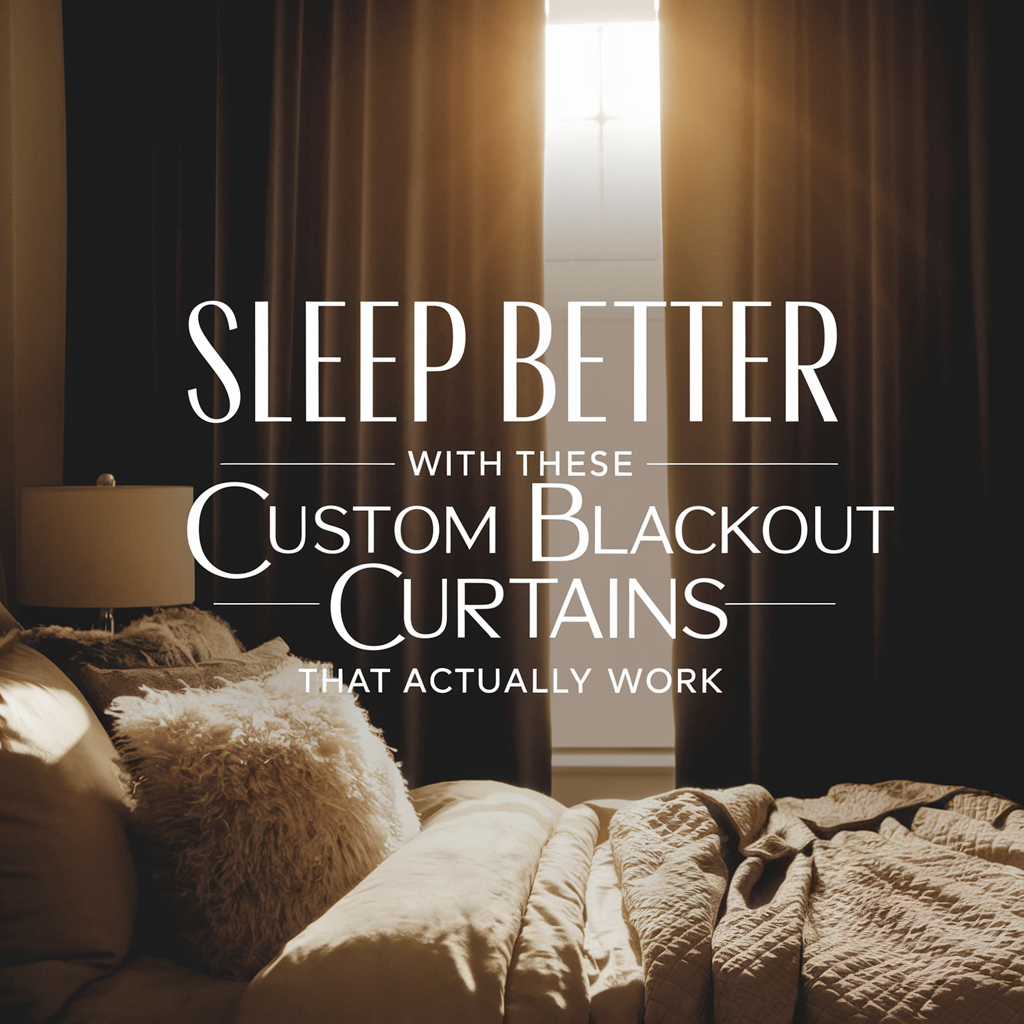
Sleep Better with Custom Blackout Curtains That Actually Work

Generic curtains can leave bright slivers around the window, even when the fabric is labeled room darkening. Custom blackout curtains cover those gaps, block streetlights and sunrise, and can also help regulate temperature and soften outside noise for a calmer bedroom.
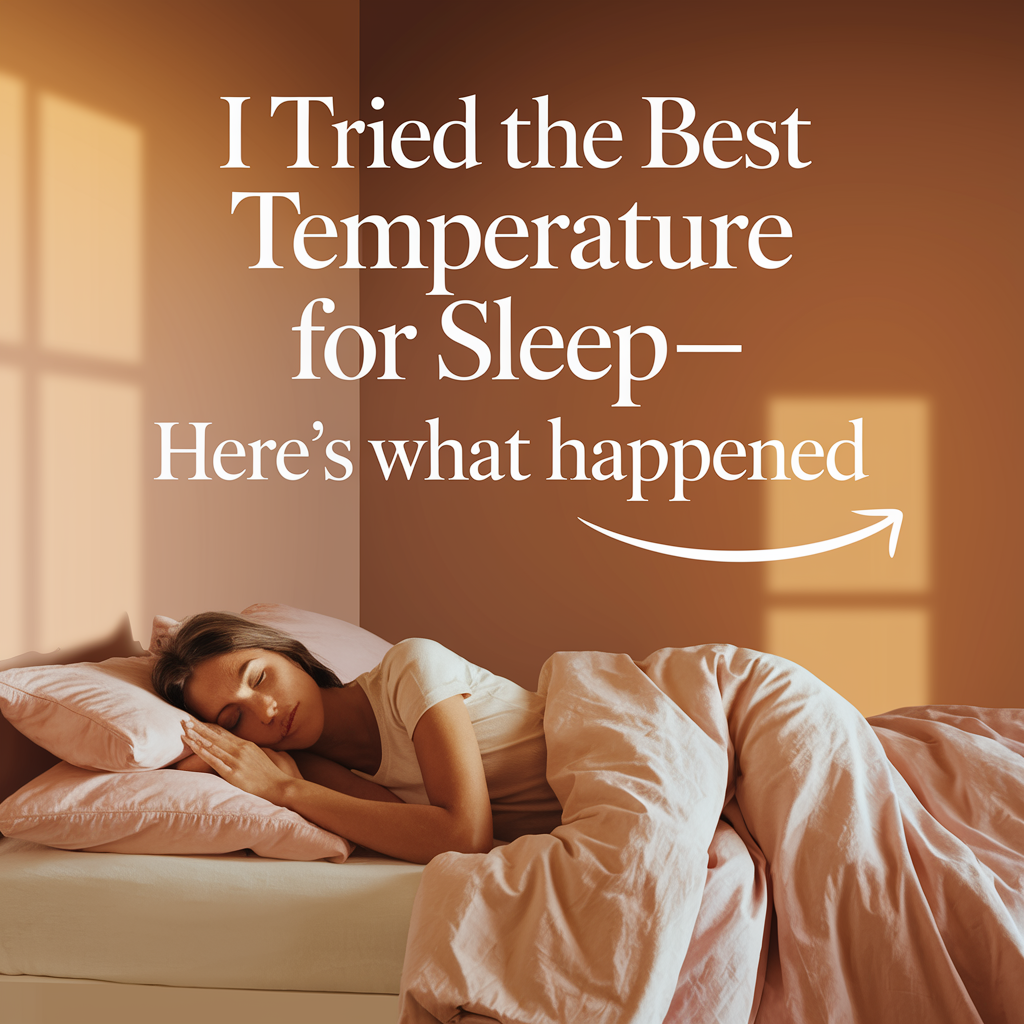
Best Temperature for Sleep: What Science (and Experience) Says

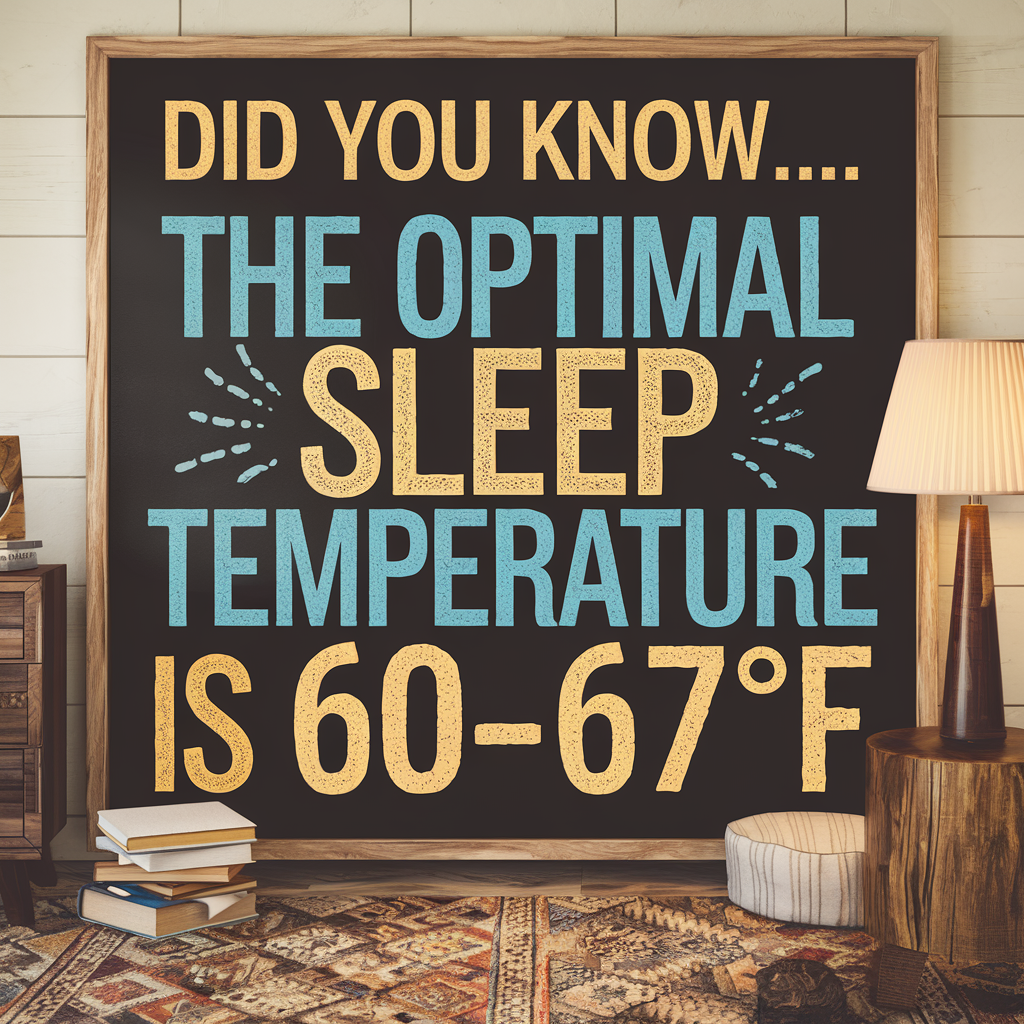
Setting the thermostat to 65°F about 30 to 60 minutes before bed may do more for restless sleep than piling on heavier blankets. This practical guide explains the 60 to 67°F range, seasonal adjustments, airflow, breathable bedding, and small temperature tweaks.

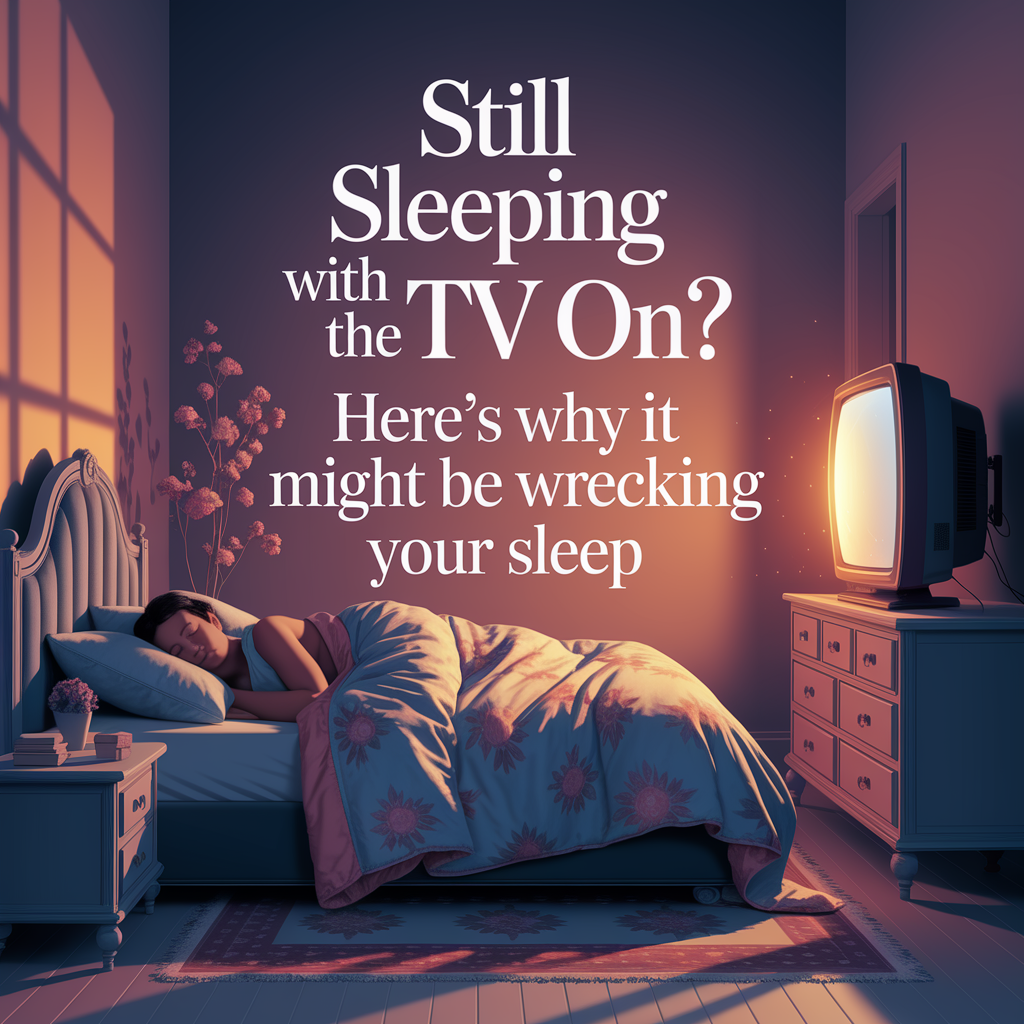
Sleeping With TV On? Here’s Why It Might Be Ruining Your Sleep

That familiar TV glow may be keeping you in lighter sleep, suppressing melatonin, and triggering tiny awakenings you never remember. The practical fix is not suffering through silence, but using a sleep timer, white noise, blackout curtains, and a calmer wind-down routine.

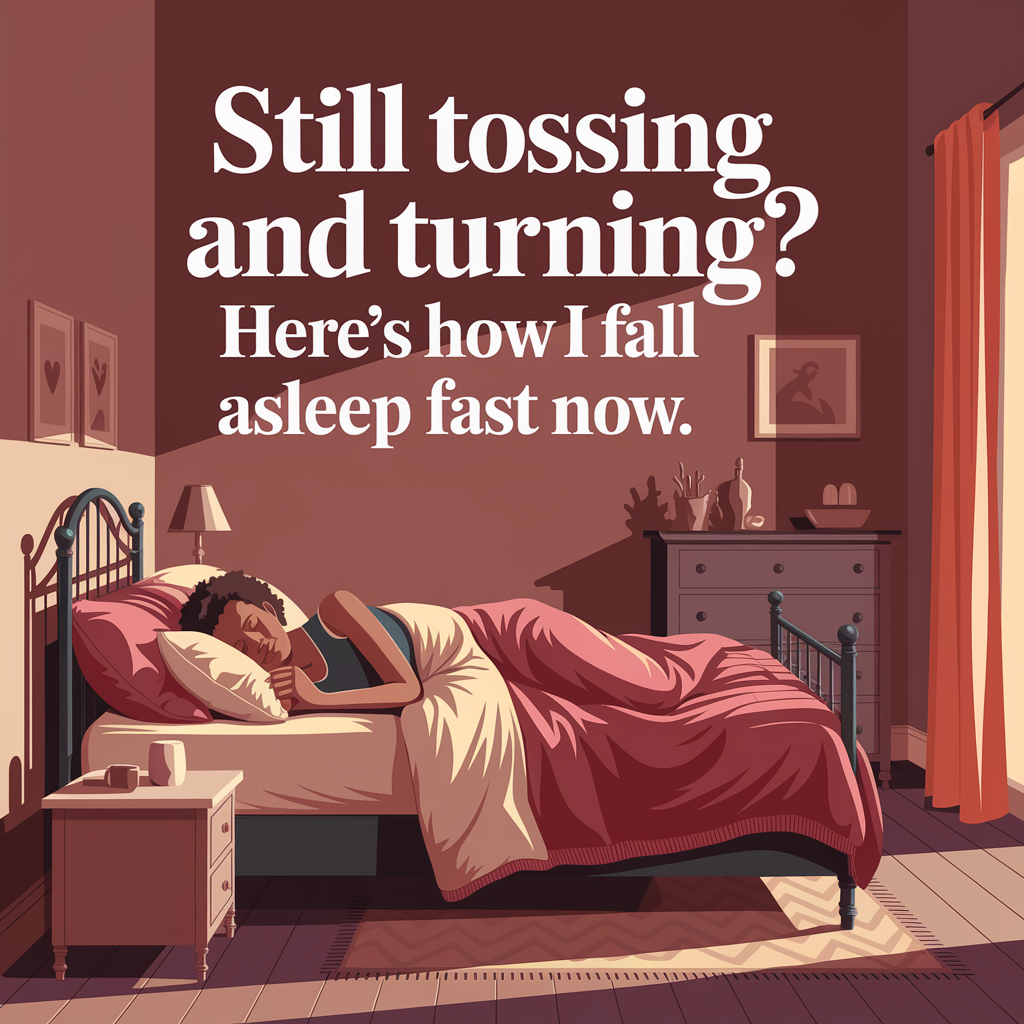
Still Tossing and Turning? Here’s How I Fall Asleep Fast Now

My fastest sleep fix turned out to be less about one miracle trick and more about stacking small signals, including a 65°F room, blackout curtains, no screens, slow breathing, and the same short routine. Together, they made bedtime feel automatic instead of stressful.

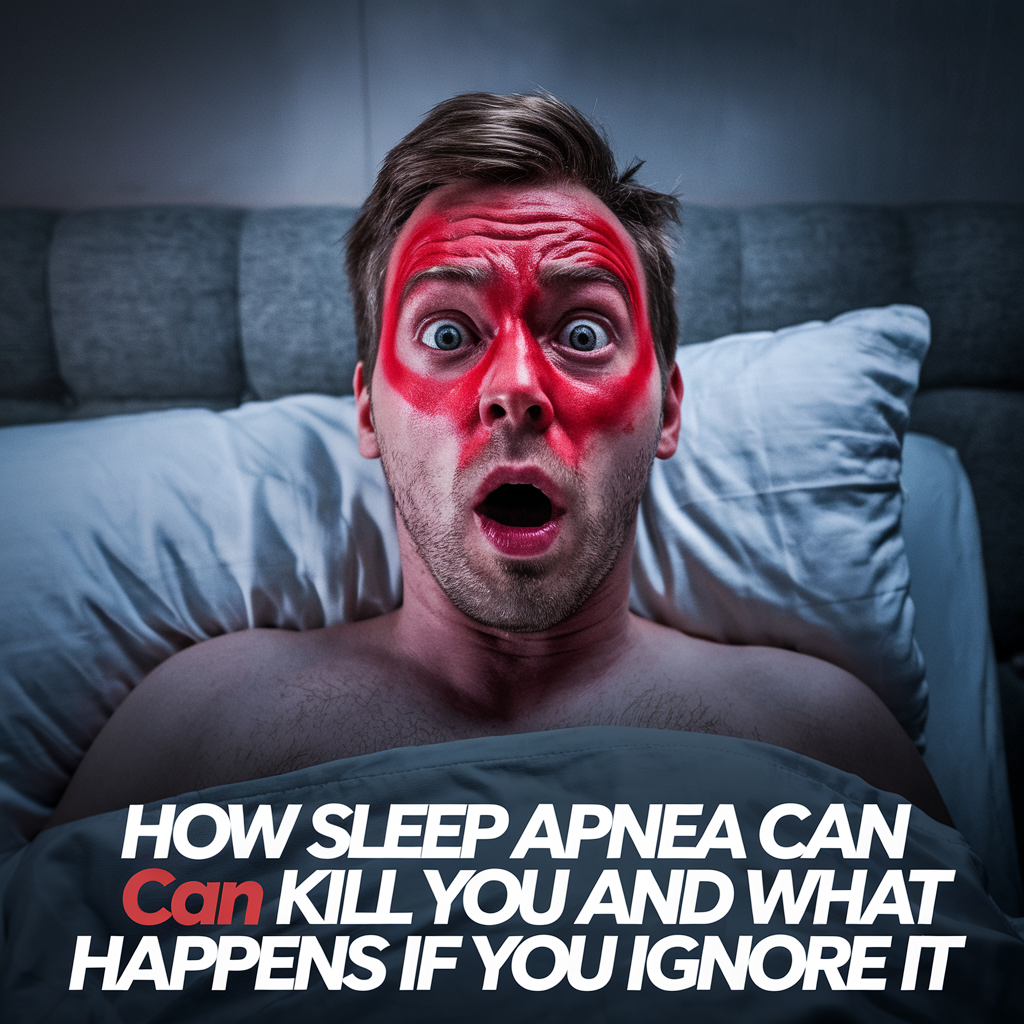
How Sleep Apnea Can Kill You and What Happens If You Ignore It

Breathing pauses during sleep can repeatedly drop oxygen, strain the heart, and raise the risk of high blood pressure, stroke, diabetes, cognitive decline, and sudden cardiac events. Learn which bedtime habits make apnea worse and why a sleep study matters.

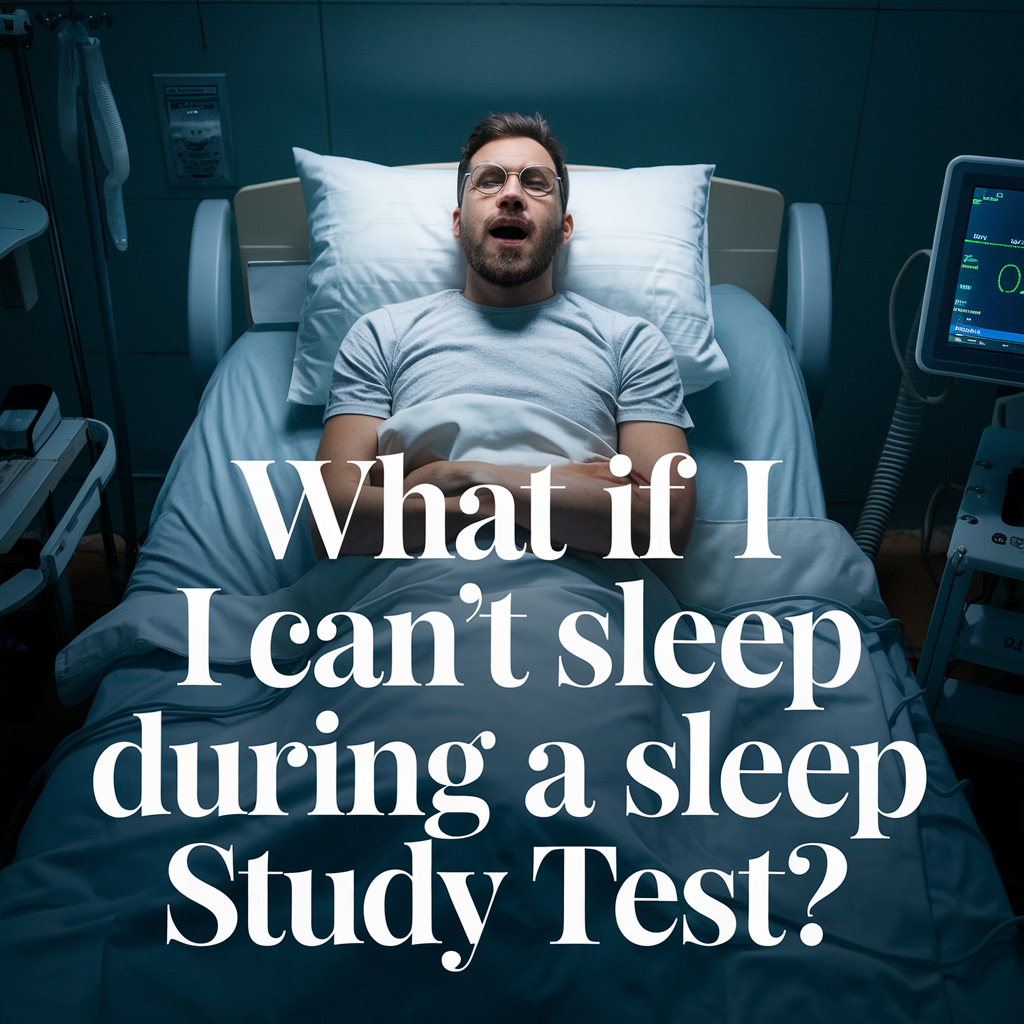
What If I Can’t Sleep During A Sleep Study Test?

You do not need a perfect night for a sleep study to work. Even a few hours can reveal breathing and movement patterns, while simple fixes like adjusting the room temperature, bringing your own pillow, and using slow breathing can make the lab easier.

This Fan Helps Me Sleep Like a Rock

The right fan does more than cool the room. Its steady hum helps quiet a busy brain at bedtime, while the wrong models miss the mark. This breakdown explains what makes the difference.

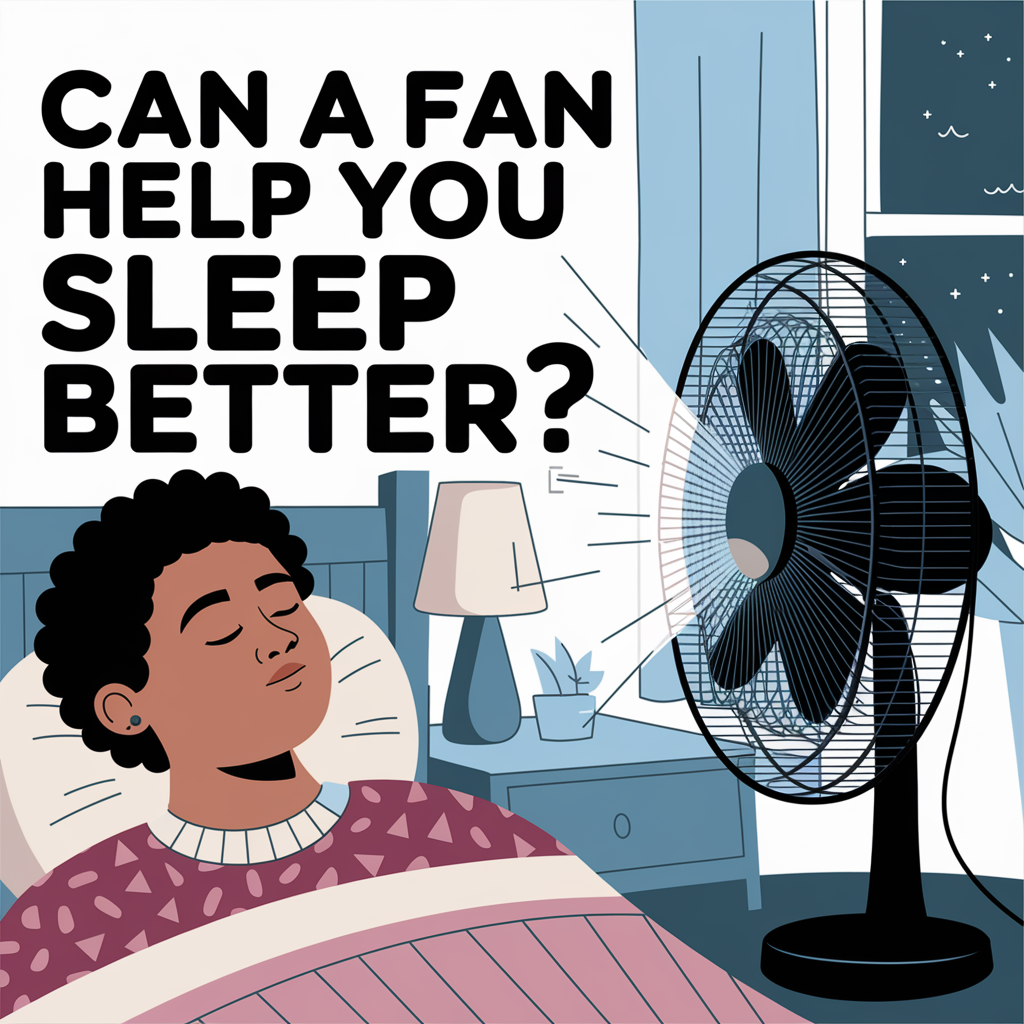
Can A Fan Help Me Sleep Better?

A fan may help turn bedtime into a more soothing experience, making the room feel conducive to restful sleep. The article looks at how that simple nighttime habit can benefit sleep.

What Is The Best Temperature For Good Sleep?

A bedroom set between 60 and 67°F can help your body relax and prepare for restful sleep, making temperature one of the simplest changes to try when falling asleep feels harder than it should.