
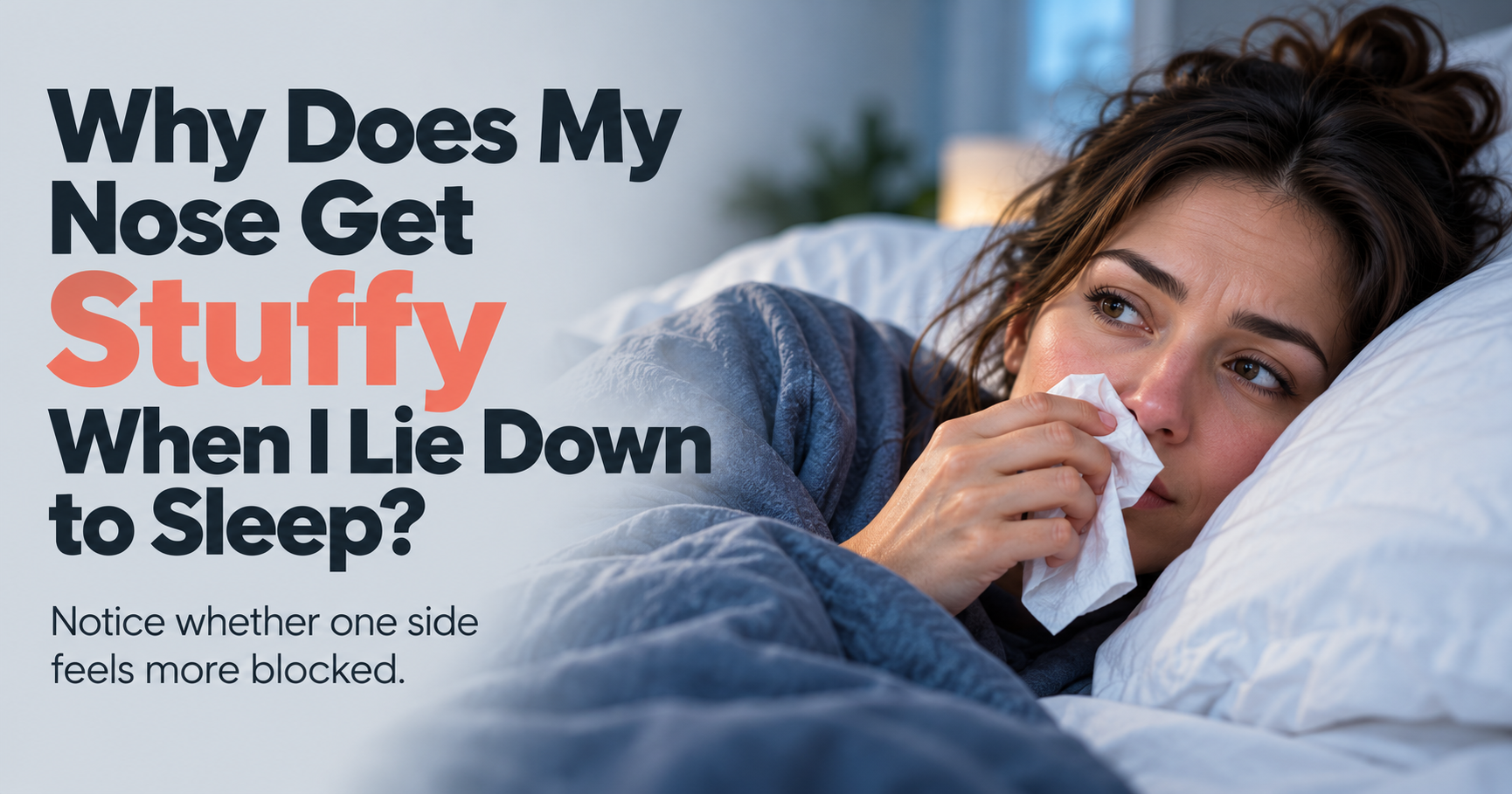
A nose that feels clear while I’m getting ready for bed can seem like a completely different nose once my head hits the pillow. If that happens night after night, I want a better answer than “it must be allergies.”
Lying down can make existing congestion more noticeable. Mucus may not drain as easily, and swelling inside the nose can feel worse in that position. The pillow and bedding may also put me close to something that irritates my nose. Those are different problems, even though they can all feel like the same blocked nostril at bedtime.
I already know my fan is part of my sleep setup. I’m also familiar with waking up needing a drink. That makes this worth understanding: if a blocked nose leads me to breathe through my mouth, moving the fan or taking another sip may help me feel more comfortable without explaining why my nose closed up in the first place.
What changes when I lie down?
I’d first pay attention to how quickly the stuffiness starts.
If my nose seems clear while I’m standing and feels blocked within minutes of lying flat, the change in position is an important clue. Lying down can affect how mucus drains and how congestion feels. It does not mean that lying down created an allergy or infection out of nowhere.

If I’m fine until I put my face near the pillow, I’d think about the bed itself. Bedding can hold dust and other irritants. I’d also notice whether the problem follows me to a couch or another bedroom. I’m looking for a pattern, not trying to diagnose myself from one night.
Is it one nostril or both?
If one side feels blocked when I lie on that side, I’d roll over and notice what changes. The nose naturally shifts airflow between nostrils, and sleeping on one side can make the lower nostril feel more congested.
If the same side stays blocked no matter which way I lie, especially over many nights, I’d mention that to a healthcare professional. A persistent one-sided blockage deserves a closer look than a nostril that switches sides when I turn over.


The bedtime check I’d do before changing anything
I’d keep the first check simple enough to do without getting out of bed for half an hour.
- Sit up for a few minutes. Does my nose feel easier to breathe through?
- Lie down again. Does the blockage return quickly?
- Turn onto my other side. Does the stuffier nostril change?
- Notice whether my nose runs or itches. That’s different from a dry feeling with no mucus.
- Think about where my face is. Did the trouble start when I got close to my pillow?
I wouldn’t repeat this all night. I’d notice the pattern once, then deal with the discomfort and get back to sleep. If it keeps happening, I can remember those details the next day.


Could it be something in my bedding?
If I get stuffy shortly after lying in bed, I’d look at the things closest to my nose: pillowcase, pillow, blankets, and mattress.
Dust mites can trigger nasal inflammation in people who are allergic to them. Other irritants can collect around a bed too. I wouldn’t assume that a bedroom that looks clean has no possible triggers, and I wouldn’t assume every dusty pillow proves an allergy.
I’d start with ordinary upkeep. I’d wash the sheets and pillowcases, check whether the pillow needs cleaning or replacing according to its care instructions, and notice whether symptoms change. If I have pets in the bedroom, I’d pay attention to whether they spend time on the pillow or bedding.
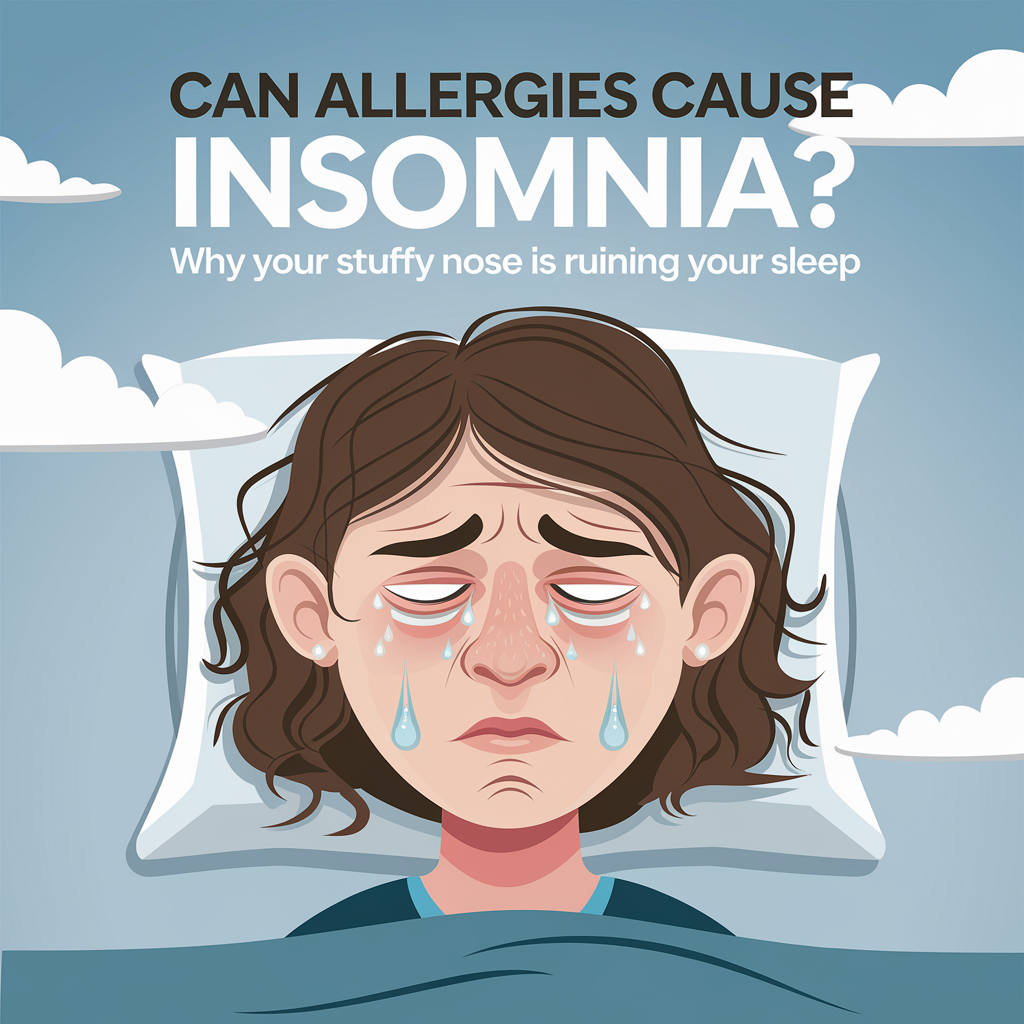
If congestion comes with sneezing, itchy eyes, or a runny nose, I’d take the allergy possibility more seriously. Our guide to allergies that keep you awake goes deeper into the sleep side of that problem.
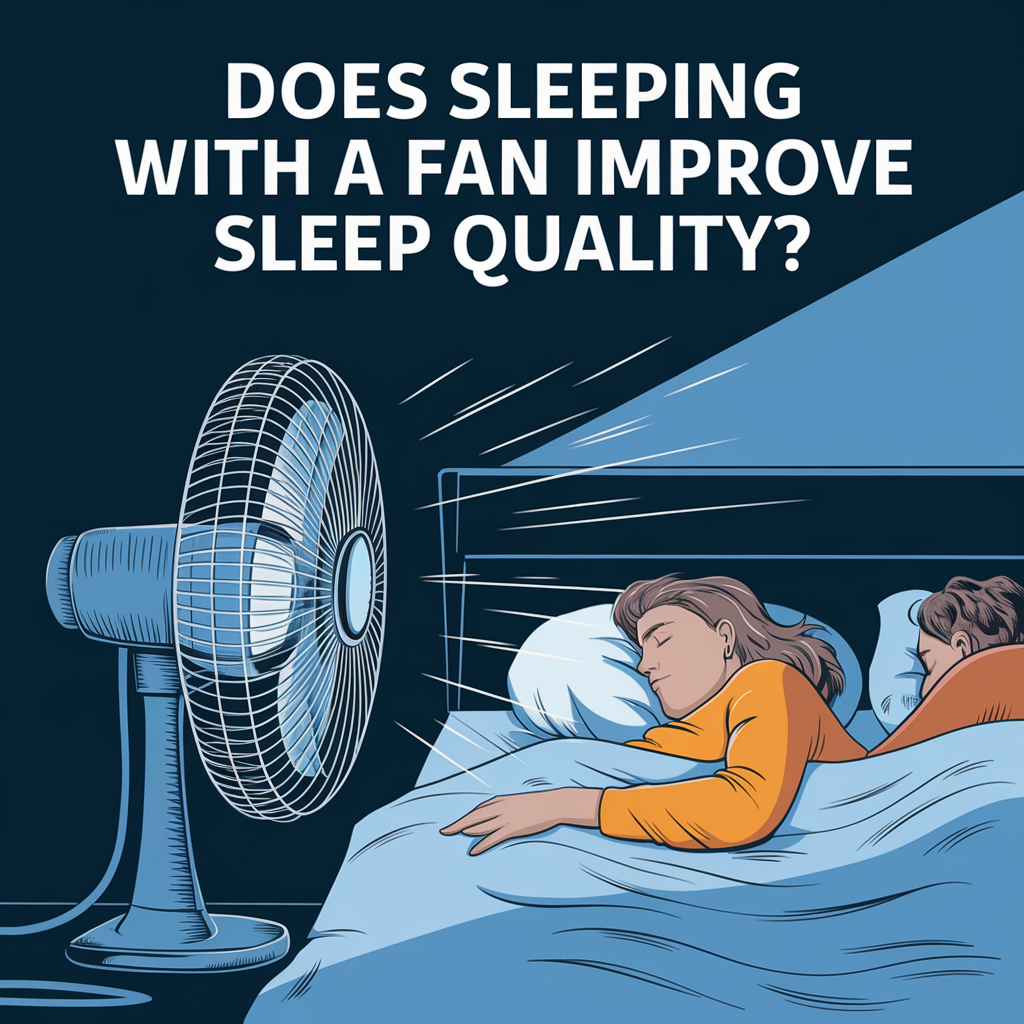
Is my fan making my nose stuffy?
I wouldn’t blame the fan just because it’s running. Mine is on because I have trouble sleeping without it. If my nose gets blocked, I want to know whether the problem follows the airflow, the room, or the act of lying down.
A fan can move dust around a bedroom, and direct airflow may feel irritating to some people. But if I sit on the bed with the fan running and breathe comfortably, then get congested when I lie flat, that makes me look beyond the fan itself.
I’d still check the fan grille for dust and move the fan so it isn’t blowing directly at my face. That’s a reasonable experiment, and it lets me keep the sound I rely on.
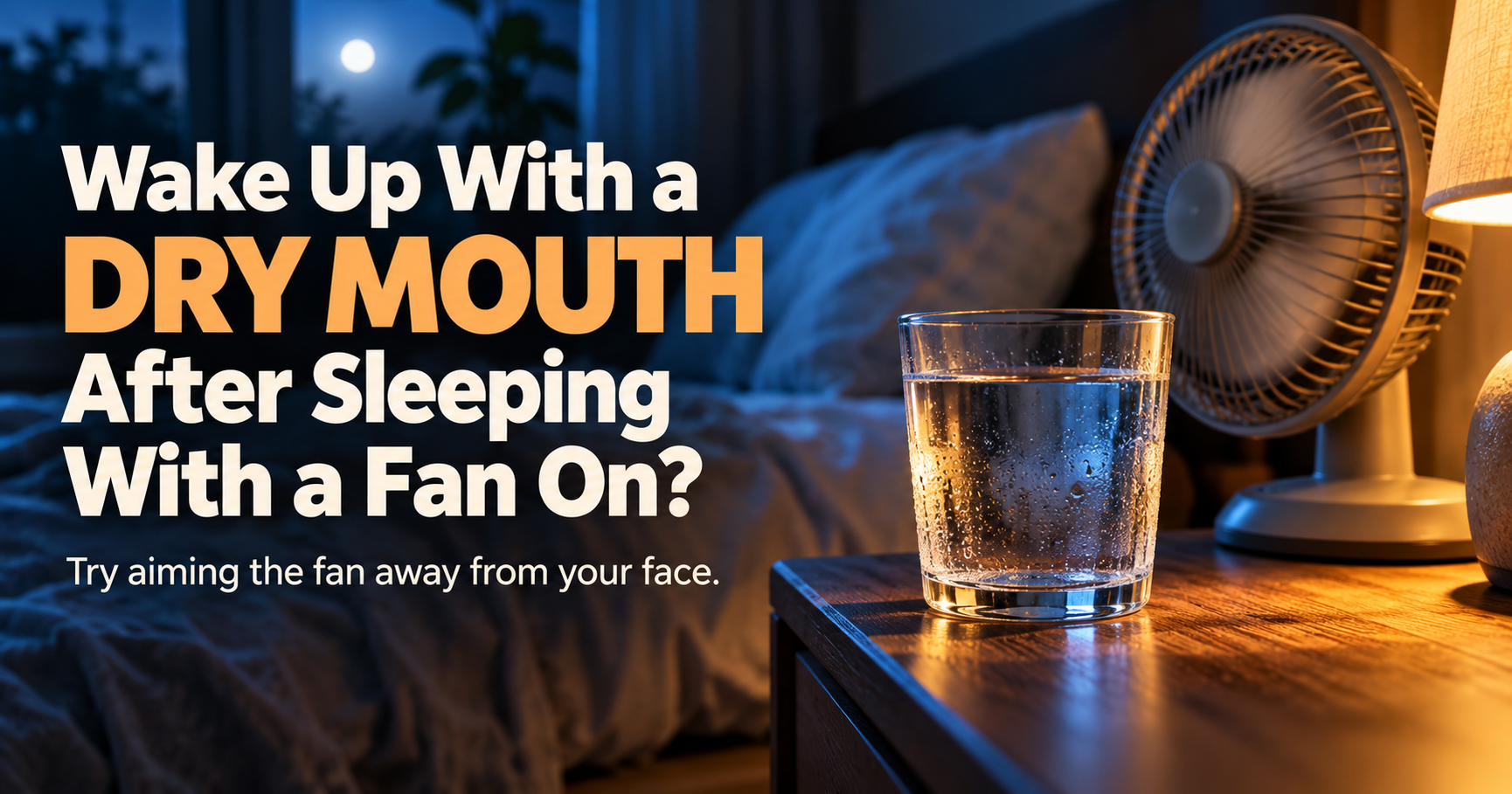
If I wake with a dry mouth too, I’d remember that a blocked nose can lead to mouth breathing. In why I wake up with a dry mouth after sleeping with a fan on, I separate the airflow question from other possible reasons my mouth feels dry. I wouldn’t assume the fan caused both symptoms just because they happened on the same night.


What if the bedroom air feels damp or dry?
I’d avoid guessing based on the feeling of congestion alone. Both irritatingly dry air and a damp bedroom can create problems, but they call for different responses.
If I think the air is dry, I’d check the room humidity before adding a humidifier. If the room feels clammy or I see moisture collecting, adding more humidity would be the wrong direction. I’ve covered the bedroom clues in why my bedroom feels humid at night.
I’d also think about whether the problem started after a change: turning on heat for the season, closing the windows, moving a fan, bringing in a new pillow, or sleeping in a different room. A change doesn’t prove a cause, but it gives me a better place to start than buying several products at once.
Could it be a cold instead of the bedroom?
If the stuffiness only appears at bedtime and disappears soon after I get up, I’d look closely at position and the bedroom. If I’m congested throughout the day, feel sick, develop a sore throat, or have other symptoms, I wouldn’t treat the bed as the whole explanation.
I’d also notice whether this is new or has happened for months. A few stuffy nights during an illness are different from a nose that blocks up whenever I lie down.
Facial pain, fever, worsening symptoms, or congestion that doesn’t clear are good reasons to ask a healthcare professional what’s going on. I don’t need to decide on my own whether it’s a sinus infection, an allergy, or something else.
What if I feel congested but nothing comes out when I blow my nose?
That’s frustrating, but it’s useful information. A blocked feeling does not always mean there’s a large amount of mucus waiting to come out. Swelling inside the nose can narrow the space air moves through.
I wouldn’t keep blowing harder if nothing is coming out. I’d consider whether the nose feels irritated, whether the blockage changes with position, and whether it’s been going on long enough to discuss with a clinician.
A gentle saline spray may be an option for nasal discomfort. If I use a nasal rinse instead, I’d follow the device instructions and use distilled, sterile, or previously boiled and cooled water, as the FDA advises for nasal rinsing. I wouldn’t use plain tap water in a rinse bottle.
Be careful with the spray that clears it instantly
If I found a decongestant nasal spray that opened my nose right before bed, it would be tempting to use it every night. I’d check the label first.
Some sprays, including oxymetazoline, can make congestion come back or get worse when used longer than directed. MedlinePlus says not to use oxymetazoline for more than three days without medical guidance.
That is different from a plain saline spray and different from nasal steroid sprays used for allergies. If I’m reaching for an instant-relief spray repeatedly just to fall asleep, I’d ask a pharmacist or healthcare professional what’s appropriate rather than extending its use on my own.

Why the blocked nose matters to my sleep
When I can’t breathe comfortably through my nose, I may start breathing through my mouth. That can turn one bedtime problem into another: I lie down stuffy, then wake with a dry mouth or scratchy throat and reach for my nightstand drink.
Milk is usually the drink I want, but a sip of milk doesn’t tell me why my nose was blocked. That’s the reason I’d look at the order of events. Did my nose get stuffy as soon as I lay down? Did I wake with my mouth open? Did the drink relieve the dryness for only a little while?
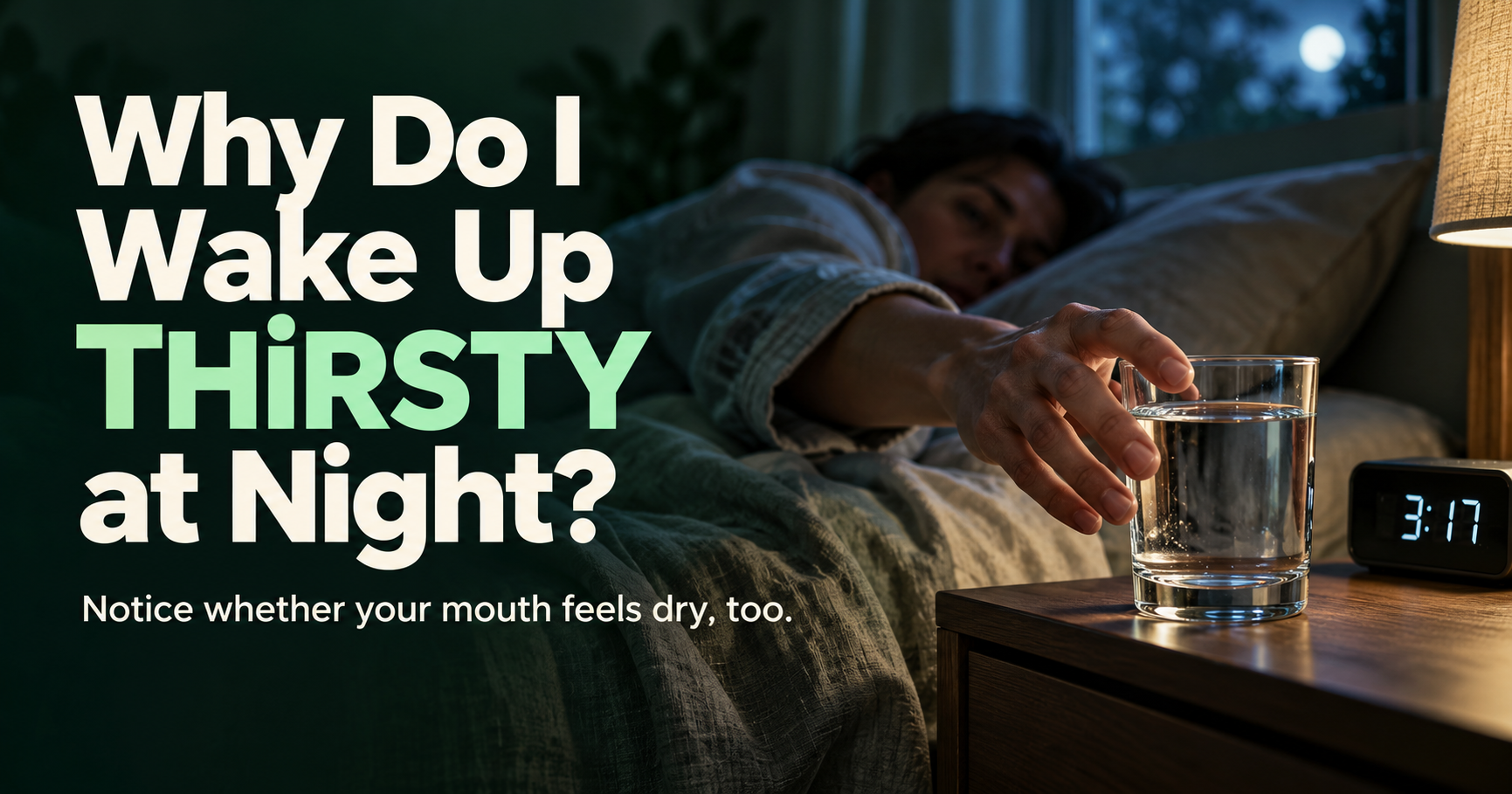
I wrote separately about why I wake up thirsty at night. If I’m also unusually thirsty during the day, I wouldn’t explain that away with nighttime mouth breathing.
When I’d bring it up with a clinician
I’d ask for help if the congestion keeps returning, regularly interferes with sleep, stays mainly on one side, or comes with concerning symptoms. I’d be specific about what happens: “My nose is clear until I lie down,” or “The lower nostril blocks when I sleep on my side,” is more useful than “I’m stuffed up at night.” The site’s SleepOcean’s FAQ on health information explains the limits of its sleep and health guidance.
I’d also mention loud snoring, waking gasping, or significant daytime sleepiness if those are part of the pattern. A stuffy nose alone doesn’t tell me I have a sleep disorder, but those other sleep symptoms shouldn’t be ignored.
For tonight, I’d start by noticing whether sitting up or changing sides opens my nose, then check what happens when my face meets the pillow. That tells me what to investigate first while I keep the fan running and get some sleep.
Nora Whitcomb writes for Sleep Ocean about the small bedroom problems that become a big deal when they interrupt sleep night after night.
As an Amazon Associate we earn from qualifying purchases through some links in our articles.