
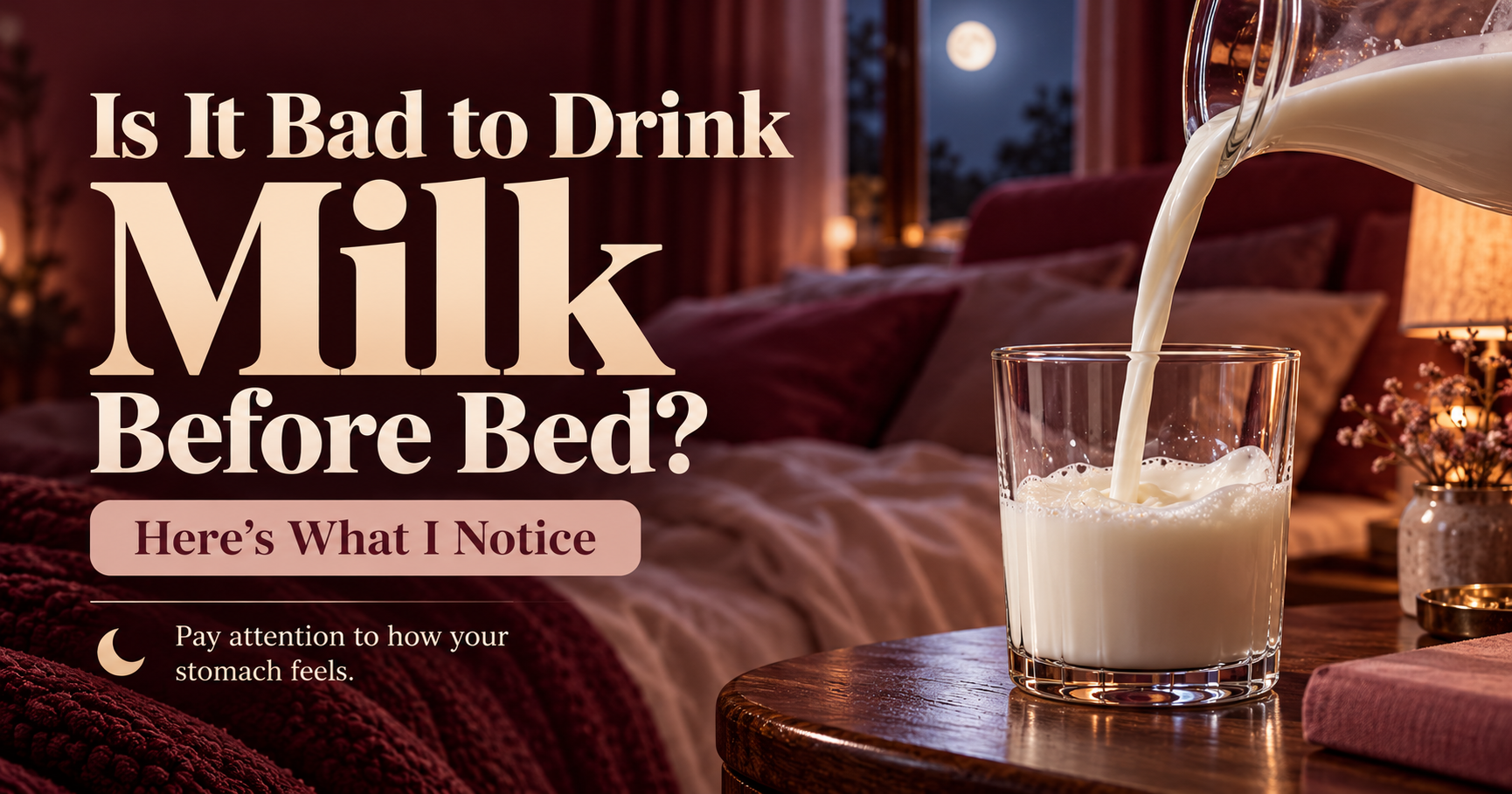
Milk is the drink I want when I wake up at night. I keep a drink close to my bed because this happens to me regularly, and if I have a choice, I’m reaching for milk.
That made me wonder whether drinking milk before bed is actually a bad habit. I’ve heard the familiar claim that milk helps you sleep, but I’ve also heard that you shouldn’t eat or drink anything near bedtime. Neither answer tells me much about the glass of milk I actually want.
For most people who tolerate milk, a glass before bed is not automatically a problem. The more useful questions are whether it bothers my stomach, makes me get up to pee, aggravates reflux, or becomes something I sip after brushing my teeth. I also have to separate drinking milk before bed from leaving it on the nightstand all night. Those are different decisions.
Does milk really help me sleep?
I can tell you why milk appeals to me. I like it. When I wake up wanting a drink, it sounds better than water. That doesn’t mean I can honestly say it puts me to sleep faster.
Milk contains nutrients involved in normal body processes, and researchers have studied dairy and sleep. But I wouldn’t turn that into a promise that an ordinary glass of milk will cure insomnia. Studies have looked at different dairy products, different groups of people, and different sleep measures. The results don’t give me a dependable bedtime prescription.
I’d look at the simpler possibility too: a familiar drink can feel comforting because it’s familiar. If I enjoy milk and it agrees with me, that may make bedtime more pleasant. I don’t need to pretend I’ve measured a dramatic sleep benefit to say I like having it.
Does it have to be warm?
I don’t think so. I prefer milk as a drink, not as a bedtime treatment that has to follow a recipe. If warm milk sounds good to someone, they can have it warm. If cold milk is what they actually want, there’s no reason to heat it just to satisfy a sleep tip they read online.
What I’d watch is how I feel afterward. Temperature is less important to me than whether I can drink it comfortably and get back to sleep.



The first question is whether milk agrees with my stomach
If I drink milk and then feel fine, I wouldn’t invent a problem. But if bedtime milk is followed by bloating, gas, stomach pain, or an urgent bathroom trip, I’d pay attention.
Lactose intolerance can cause digestive symptoms after milk. Those symptoms can show up hours later, which means I might not immediately connect an uncomfortable night with what I drank before bed. The National Institute of Diabetes and Digestive and Kidney Diseases explains the common symptoms.
I wouldn’t diagnose myself because my stomach felt off once. I’d look for a repeatable pattern. Does it happen after milk at other times of day? Does a smaller amount make a difference? Is it only happening on nights when I also had a heavy meal?
If milk regularly makes me uncomfortable, there’s no sleep benefit worth lying awake with a stomachache.

Could milk before bed make reflux worse?
This is where timing matters. Someone who deals with heartburn or a sour taste when lying down may find that eating or drinking close to bed makes the night more uncomfortable.
I wouldn’t assume milk itself is the cause just because I notice burning after bedtime. I’d consider the whole evening, including a late meal, how much I drank, and how soon I lay down. If reflux is a recurring problem, the NIDDK says leaving at least three hours between a meal and lying down may help nighttime symptoms.
That guidance is about managing reflux, not a rule that everybody has to stop drinking milk three hours before sleep. I’d use my own symptoms to decide whether bedtime timing deserves a closer look.

A morning sore throat can have several possible causes, including irritation that has nothing to do with my fan. If that’s happening too, I’d compare the clues in waking with a sore throat after sleeping with a fan on.
Am I drinking milk because I’m thirsty or because I want milk?
I’d ask myself this honestly. Sometimes I may simply want the taste of milk. Other times I’m waking with a mouth so dry that I want a drink immediately.
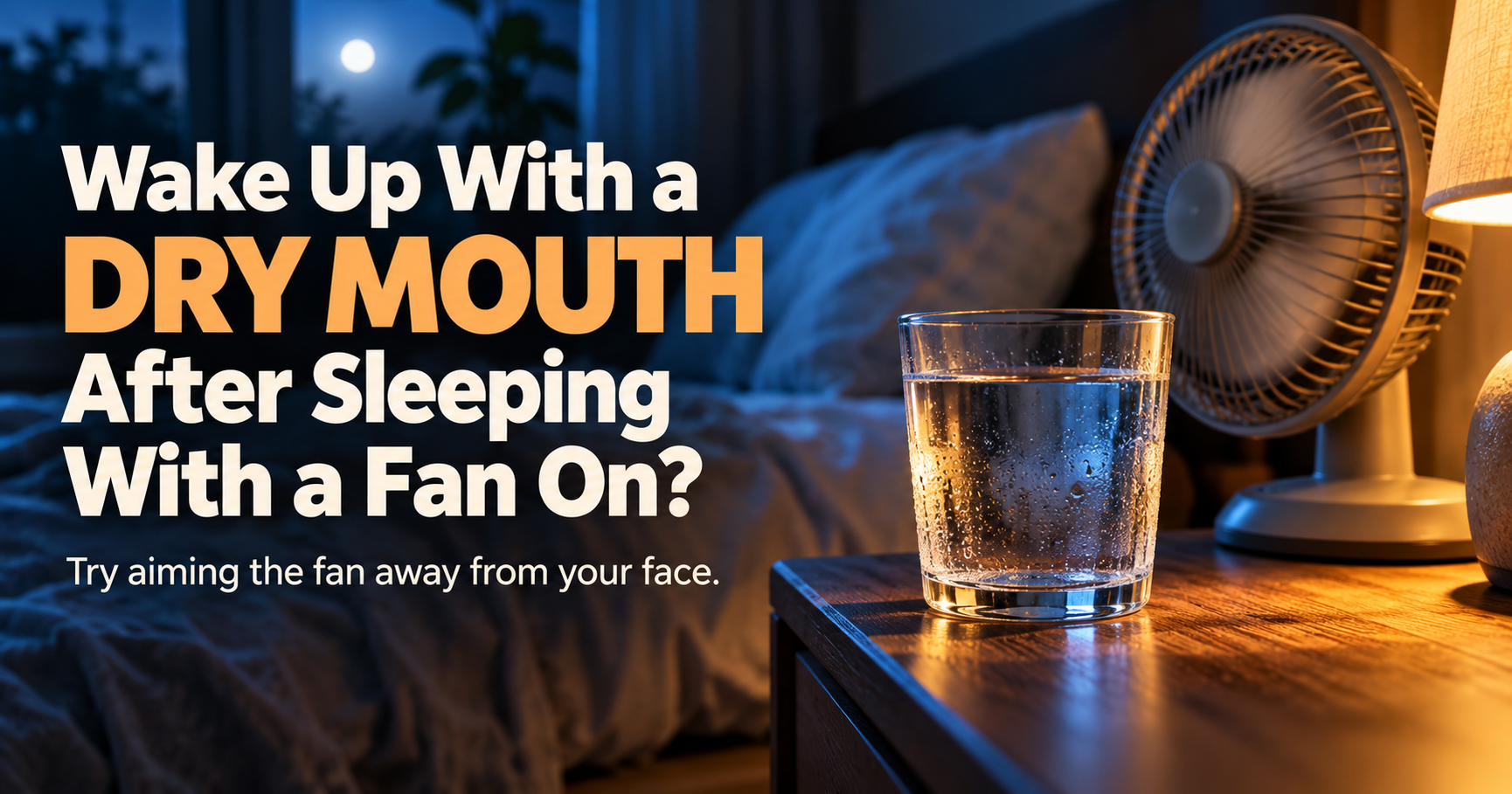
If my mouth is dry, milk can feel good going down, but it doesn’t tell me why the dryness happened. My fan may be blowing toward my face. My nose may be blocked. I may be sleeping with my mouth open. Or something outside the bedroom may be contributing. Those possible causes are explored in dry mouth after sleeping with a fan, including how direct airflow and mouth breathing may contribute.
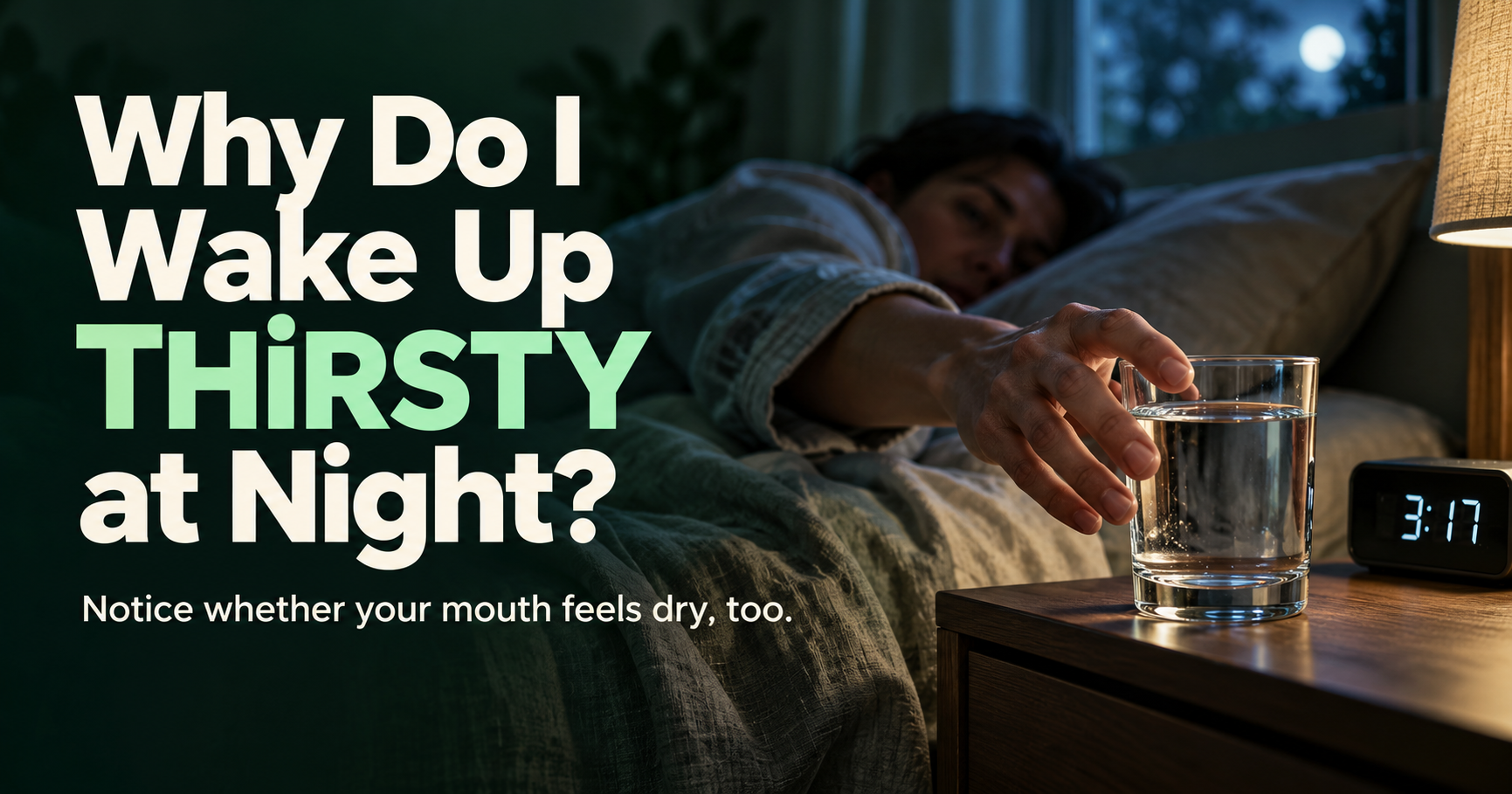
That’s why I’d keep the two questions separate. This page is about whether milk fits my bedtime routine. In why I wake up thirsty at night, I go through the difference between a dry mouth that needs a sip and thirst that keeps coming back even after drinking.
If I’m unusually thirsty during the day too, especially if I’m peeing much more often, I wouldn’t try to solve it by switching between milk and water. I’d bring that pattern to a healthcare professional.


How much milk am I actually drinking?
“One glass of milk before bed” can mean very different things. A small drink while I’m getting ready to sleep isn’t the same as repeatedly filling a large glass through the night.
If I’m waking to use the bathroom after drinking a lot, I’d consider the amount and timing of all my evening drinks. Milk doesn’t get a special exemption from being a liquid. I’d want to know whether I’m waking thirsty first, drinking a lot, and then needing to pee, or waking to pee and noticing I want a drink while I’m up.
I wouldn’t force myself to stay thirsty just to avoid a bathroom trip. I would look at the sequence before deciding what to change.
What about drinking milk after I brush my teeth?
This is the part I wouldn’t skip just because milk sounds healthier than soda. Plain milk contains naturally occurring sugar, and drinking it repeatedly after brushing means I’m putting something other than water in my mouth during the hours I’m trying to keep my teeth clean.
That matters more to me because I’ve also described waking with a dry mouth. Saliva helps protect teeth, and ongoing dry mouth raises the risk of tooth decay. If I’m frequently drinking milk overnight after brushing, I’d ask my dentist what they recommend for my specific situation.
My easiest practical change is water on the nightstand after brushing. I can still drink milk earlier in the evening, or get some from the fridge when I decide I want it. I don’t have to claim milk is bad for my teeth in every situation to recognize that sipping it through the night is different from drinking a glass with dinner.
Can I leave milk on my nightstand overnight?
No. This is the clearest part of the answer for me.
Regular milk is perishable. A glass that sits at room temperature through the night is not something I should keep drinking from when I wake up hours later. FoodSafety.gov says to refrigerate perishable foods within two hours, or within one hour if they’re exposed to temperatures above 90°F.
I’d use water for the drink that stays beside my bed. If I want milk, I’d keep it refrigerated until I’m ready to drink it. That may be less convenient when I’m sleepy, but it’s better than guessing how long a glass has been sitting there.
The distinction is simple: milk before bed can be fine; milk sitting unrefrigerated beside the bed all night is a different issue.
What I’d watch if I wanted to know whether milk affects my sleep
I don’t need to buy a sleep tracker or conduct an experiment with spreadsheets. I’d compare a few ordinary nights while keeping the rest of my routine as steady as possible.
- Was I already thirsty before bed? If so, I’d have a drink while I’m still up.
- How much milk did I drink? I’d note a small glass versus repeated drinks.
- When did I drink it? Before brushing and getting into bed is different from drinking it after I wake at night.
- Did my stomach feel comfortable? I’d notice bloating, gas, or pain.
- Did I wake with heartburn or a sour taste? I’d look at my late meal as well as the milk.
- Did I get up to pee? That may have more to do with the amount and timing of liquid than with milk specifically.
I wouldn’t change everything on the same night. If I move my fan, change my bedtime, cut out a late snack, and switch drinks together, I won’t know what made a difference.


Should I switch to lactose-free milk or a different kind?
I’d only make that change for a reason. If ordinary milk consistently leaves me bloated or uncomfortable, lactose-free milk might be worth discussing or trying. If milk has never bothered my stomach, I don’t need to replace it just because I drink it at night.
I also wouldn’t assume every plant-based drink is interchangeable with milk. Ingredients and added sugar vary. I’d choose based on what I tolerate and like, then check the label if I’m drinking it often.
None of those swaps fixes an underlying reason I’m waking thirsty. If my real problem is a dry mouth, blocked nose, or strong thirst throughout the day, changing the carton may leave me with exactly the same nighttime question.
When I’d stop treating this as a milk question
If I’m drinking milk before bed and sleeping comfortably, this may be a simple preference. But if I wake night after night desperate for a drink, keep needing more, or feel unusually thirsty during the day, I’d focus on the thirst rather than debating whether milk is good or bad.
I’d also take repeated stomach symptoms, persistent heartburn, or ongoing dry mouth seriously. I can explain my routine clearly to a doctor or dentist: what I drink, when I drink it, how often I wake, and what else I feel. That’s more helpful than saying, “Maybe milk is ruining my sleep.”
For my own nightstand, the decision is pretty ordinary. I like milk, and I’m not giving it up because of a blanket bedtime rule. I’d drink it when I want it, keep it cold, and use water for the drink that needs to sit beside my bed until morning.
Nora Whitcomb writes for Sleep Ocean about the real routines and small nighttime problems that deserve a more useful answer than a one-size-fits-all sleep tip.
As an Amazon Associate we earn from qualifying purchases through some links in our articles.