
I’m Dax Weaver, the founder of Sleep Ocean, a husband, father of three, small business owner, and someone who knows what it’s like to spend years struggling to get a decent night’s sleep.
For much of my adult life, sleep hasn’t been something I could simply take for granted.
I’ve dealt with insomnia, mild-to-moderate sleep apnea, and plenty of nights when I couldn’t seem to get comfortable or stay asleep.
Sometimes I have trouble falling asleep in the first place.

Other nights, I fall asleep but wake up repeatedly.
And there have been mornings when I’ve gotten out of bed feeling like I barely rested at all.
What’s made the experience especially frustrating is that the problem isn’t always the same.
One night, my mind might not want to settle down.
Another night, my breathing or nasal congestion may be part of the issue.
Sometimes the bedroom temperature, noise, or light seems to make everything worse.
And other times, it’s a combination of things that leaves me wondering what in the world happened to a good night’s sleep.
That’s why I started Sleep Ocean. I wanted to share what I’ve actually experienced, the products and approaches I’ve personally tried, and the lessons I’ve learned after years of dealing with sleep problems.
I don’t want to simply repeat generic advice about drinking less caffeine or putting your phone away before bed.
Those things can be helpful, but there’s much more to the story.
I want to explain what the experience is really like, which changes have made a difference for me, and how research helps explain why some approaches work better than others. My account of what helped me fall asleep faster explains the practical changes that made the biggest difference.
I’ve Struggled With Sleep for Years
I can’t remember exactly when I started realizing that sleep was becoming a regular problem, but it’s something I’ve dealt with for many years throughout adulthood.
And anyone who has experienced ongoing sleep problems probably understands how frustrating that can become.
You go to bed tired.
You know you need to sleep.
You’ve got things to do the next morning.
But for whatever reason, your body doesn’t cooperate.
Sometimes you’re lying there waiting to fall asleep.
Sometimes you’re waking up over and over.
And sometimes you don’t even realize how poorly you’ve slept until you get out of bed.
Then the next day begins.
You still have responsibilities, people depending on you, and work that needs attention.
That’s one of the hardest things about sleep problems.
They don’t just affect what happens at night.
They follow you into the next day.
Living With Mild-to-Moderate Sleep Apnea
One of the more significant sleep problems I’ve dealt with is obstructive sleep apnea.
Sleep apnea is different from ordinary insomnia because it involves repeated interruptions in breathing during sleep.
Those breathing disruptions can interfere with sleep quality even when someone doesn’t remember waking up.
I’ve learned that sleep apnea isn’t something to ignore simply because you can manage to get through the day.
It can affect much more than how rested you feel.
And symptoms such as snoring, waking up gasping, morning headaches, or persistent daytime sleepiness deserve proper medical evaluation.
For me, understanding that sleep apnea was part of my sleep struggles helped explain why ordinary bedtime changes couldn’t address everything.
You can have a comfortable mattress, a dark bedroom, and a good nighttime routine while still experiencing breathing interruptions.
That’s an important distinction.
A relaxing sleep environment can make bedtime more comfortable, but it doesn’t automatically treat obstructive sleep apnea.
I want Sleep Ocean to help readers understand both sides.
My Experience Trying to Adjust to CPAP Therapy
One thing I’ve learned about sleep apnea treatment is that knowing something may help and actually being comfortable using it are two different things.
I’ve personally struggled to tolerate CPAP therapy.
And that can become frustrating when you’re already exhausted and simply want to sleep.
The idea of using equipment every night sounds manageable when you’re discussing it during an appointment.
But trying to fall asleep while wearing a mask and getting used to the equipment can be a very different experience.
I’ve learned that treatment comfort matters.
Mask fit, pressure settings, nasal symptoms, and other practical problems may affect whether someone can tolerate therapy.
But I’ve also learned that difficulty using CPAP shouldn’t mean simply giving up on treating sleep apnea.
For someone who is struggling, it can be worth discussing mask adjustments, equipment settings, humidification, or other treatment options with their sleep specialist.
That’s the kind of realistic conversation I want this website to encourage.
People should understand that struggling with a treatment doesn’t mean they’re the only person having that experience.
And they should know there may be options worth discussing rather than leaving sleep apnea untreated.
Insomnia Has Been a Different Kind of Struggle
Sleep apnea isn’t the only reason I’ve experienced difficult nights.
I’ve also dealt with insomnia.
And insomnia can be frustrating in a completely different way.
Sometimes I’m physically tired, but I can’t seem to fall asleep.
Other nights, I wake up and have trouble getting back to sleep.
There are times when I feel like I’m getting closer to falling asleep, only to become more awake because I’m thinking about how little rest I’m getting.
The more you worry about sleeping, the harder it can become.
That doesn’t happen to everyone, and insomnia can have several causes.
But it’s something I’ve become much more interested in understanding.
I want to explore not only what people can try at bedtime but why certain approaches may help.
That includes understanding routines, stress, nighttime habits, sleep timing, and evidence-based treatments.
For persistent insomnia, cognitive behavioral therapy for insomnia, often called CBT-I, is an important treatment to understand.
I don’t want readers to think a single relaxation exercise or inexpensive gadget is guaranteed to fix a complicated sleep problem.
Being a Dad and Business Owner Makes Bad Sleep Even Harder
I’m a father of three, and I operate several businesses.
That means there are plenty of things I need to accomplish during the day.
But when I’ve had a terrible night’s sleep, everyday responsibilities can feel much more difficult.
Sometimes it’s harder to concentrate.
Sometimes I feel exhausted before the day has really started.
And sometimes I just want the energy to enjoy time with my family without feeling worn out.
There’s also the frustration of knowing you need rest but feeling like you can’t control whether you get it.
I’ve had to learn that improving sleep isn’t just about making bedtime more comfortable.
It’s about understanding how different habits, medical conditions, and environmental factors interact.
I don’t always get everything right.
But the experience has made me pay much closer attention to how I sleep and how I feel the following day.
The Bedroom Environment Makes a Difference for Me
One thing I’ve learned through years of experimenting with sleep is that the bedroom environment can affect how comfortable I feel at night. Readers working on those factors can find more bedroom and sleep environment guidance here.
Temperature is a big one.
I don’t enjoy trying to sleep when the room is too hot.
And I don’t particularly enjoy waking up freezing in the middle of the night, either.
I’ve spent time adjusting our thermostat, bedding, fans, and other details to find an environment that feels comfortable.
Lighting can make a difference, too.
Even a small amount of light entering around curtains can become annoying when you’re trying to fall asleep or stay asleep.
And sound matters.
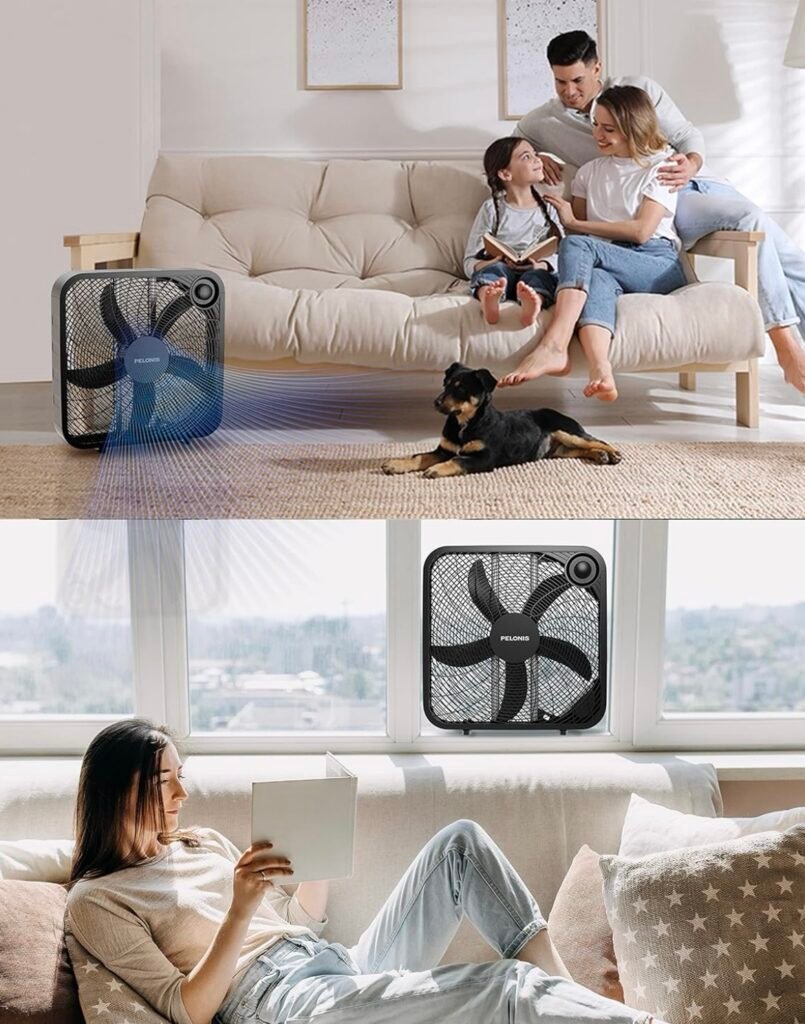
I like having a fan running at night, partly because of the airflow and partly because of the steady background noise. Readers interested in steady background sound can also consider a fan for sleeping noise.
Those preferences won’t necessarily be the same for everyone.
But understanding what makes your own bedroom comfortable can be a useful part of improving sleep habits.
I’ve Used the Same Smart Thermostat for More Than Eight Years
One product I have genuine long-term experience with is our Sensi smart thermostat.
I’ve used it for more than eight years, and it’s become one of the home upgrades I appreciate most.
Before having a programmable thermostat that worked well for our routines, I found myself dealing with uncomfortable temperature changes during the night.
Sometimes the room felt too warm.
Other times, we’d wake up cold.
I liked being able to program the temperature instead of getting out of bed to make adjustments.
Over time, I developed a schedule that better matched our comfort preferences, including cooler temperatures around bedtime and changes for the early morning.
I shared that experience in my article about how our Sensi thermostat helped improve our nighttime comfort.
I enjoy writing about products like this because I can talk about what owning and using them has actually been like.
Not just the features listed on a box.
The everyday experience.
The convenience.
The things I like.
And the limitations someone should understand before buying.
Why I Like Sleeping With a Fan Running
I’ve become pretty accustomed to having a fan running while I sleep.
There’s something about the steady sound and airflow that makes the bedroom more comfortable for me.
But I’ve also noticed that fans can introduce their own problems.
Direct airflow can sometimes feel drying.
A fan that’s too noisy may be distracting instead of relaxing.
And moving air around a room doesn’t necessarily lower the temperature the way people assume.
I think these details are worth discussing because many people sleep with fans every night.
Sometimes a small adjustment in placement or speed can make the room feel more comfortable.
Other times, the problem may involve humidity, nasal congestion, or another factor.
I enjoy figuring out those differences rather than assuming every fan works equally well for everyone.
Darkness Has Become an Important Part of My Bedtime Routine
Another thing I’ve paid more attention to is light.
A bedroom can seem fairly dark until you lie down and notice light coming through the sides of the curtains. If that light is waking you earlier than planned, morning sunlight waking you explains how to test whether the window is responsible.
Maybe it’s a streetlight.
Maybe it’s a neighbor’s porch light.
Or perhaps it’s early morning sunlight entering before you’re ready to wake up.
I’ve found that making the room darker can help create a more comfortable environment for sleeping.
That has made me more interested in blackout curtains, window coverings, and the little gaps that allow light into a room.
I also want readers to understand that something labeled blackout doesn’t automatically block every bit of light once it’s installed.
The fit and placement matter.
Sometimes the fabric does its job perfectly while light still enters around the edges.
These are practical problems that can be worth addressing without spending a fortune on new bedroom equipment.
Nasal Problems Have Complicated My Sleep
Another part of my sleep experience involves my nose and sinuses.
I’ve dealt with long-term nasal and sinus issues, including a deviated septum and surgery.
And I’ve learned that breathing comfortably through your nose can become especially important when you’re trying to fall asleep.
There have been nights when my nose seems reasonably clear until I lie down.
Then congestion becomes more noticeable.
That can make bedtime frustrating.
I’ve become interested in understanding how nasal conditions, allergies, bedroom humidity, and sleeping positions may affect comfort.
But I also recognize that nasal congestion and obstructive sleep apnea aren’t interchangeable problems.
Improving nasal comfort doesn’t automatically eliminate breathing interruptions caused by sleep apnea.
I want the website to help readers understand the differences rather than assume one simple fix solves every breathing-related sleep problem.
Why Sleeping Position Matters
Another subject I’ve spent time learning about is sleeping position.
When you have sleep apnea, the position you’re sleeping in can influence breathing interruptions.
For some people, obstructive sleep apnea is worse when they sleep on their back.
I’ve personally found side-sleeping more comfortable in certain situations.
That experience made me interested in positional sleep apnea and why gravity and airway anatomy can affect breathing during sleep.
I discuss those ideas in my guide to sleeping positions and obstructive sleep apnea.
But there’s an important limitation.
Side-sleeping isn’t a universal replacement for medical treatment.
Whether positional therapy is appropriate depends on the person’s sleep apnea, testing results, and medical circumstances.
That’s why I’m interested in explaining both the practical experience and the research.
Something that improves comfort or reduces events for one person shouldn’t automatically be presented as a complete treatment for everyone.
Why I Don’t Believe Every Sleep Problem Has One Cause
One lesson I’ve learned is that a bad night’s sleep can have several possible explanations.
Sometimes I can identify something obvious.
The bedroom was too hot.
There was too much light.
I went to bed later than usual.
Or I simply had too much going on and struggled to settle down.
Other nights, I can’t immediately explain what happened.
And there are times when medical issues may be involved.
I believe recognizing those differences matters.
If someone has chronic insomnia, their problem may require more than rearranging the bedroom.
If they have obstructive sleep apnea, relaxing bedtime habits don’t replace appropriate treatment.
And if someone is waking repeatedly because of pain, medication effects, or another health problem, those issues deserve attention as well.
I want Sleep Ocean to help readers think through possibilities without pretending that every bad night can be traced to one easy fix.
Sleep Products Have Taught Me to Be Skeptical of Big Promises
I’ve researched and tried different things over the years while looking for better sleep.
And if there’s one thing I’ve learned, it’s that the sleep industry is full of products making impressive promises.
There are pillows designed for particular sleeping positions.
Fans marketed for better rest.
Blackout curtains.
Special mattresses.
Sound machines.
Sleep trackers.
Nasal products.
And plenty of other devices that claim to help people sleep better.
Some can be genuinely useful.
Others may make little difference for a particular person.
And certain products are marketed with claims that go far beyond the available evidence.
I believe readers deserve realistic expectations.
A pillow might improve comfort without treating the underlying cause of a medical condition.
A fan might make the room feel better without solving insomnia.
And a consumer sleep tracker may identify patterns without being able to diagnose a sleep disorder.
That’s why I want product discussions to focus on what an item actually does, who might benefit from it, and what its limitations are.
What I Personally Tried Versus What I’ve Researched
This distinction is particularly important to me.
I want Sleep Ocean to share real experiences.
If I’ve used a product for years, I want to describe that experience honestly.
If I’ve tried something that didn’t help, I want to be able to say that, too.
And when I write about a product I haven’t personally tested, I don’t want the article to pretend otherwise.
Research can still be useful.
Manufacturer documentation, product specifications, scientific studies, and consumer reports can help explain how something works.
But researching a product isn’t the same as sleeping with it every night.
I believe there’s room for both firsthand reviews and carefully researched buying guides.
The important thing is being clear about which one readers are getting.
The Little Changes I’ve Learned to Pay Attention To
Not every improvement I’ve made has involved buying something.
Sometimes the useful changes are ordinary habits.
Paying attention to caffeine timing.
Keeping a more consistent bedtime and wake-up schedule.
Reducing unnecessary light.
Making the bedroom quieter or more comfortable.
And giving myself time to wind down before trying to sleep.
These habits aren’t guaranteed solutions.
I’ve certainly had nights when the bedroom was comfortable and my routine seemed fine, but I still struggled.
That’s one of the reasons I don’t like articles that promise to cure insomnia in a specific number of minutes.
Real sleep problems can be more complicated than that.
But I do believe small changes can be worth evaluating, especially when they’re practical and supported by reliable information.
The goal is to learn what helps your individual situation rather than chase one miracle solution after another.
How I Research Sleep Information
My personal experiences are the foundation of Sleep Ocean.
But sleep medicine also involves complicated subjects that need reliable research.
When researching insomnia, sleep apnea, sleep hygiene, and related conditions, I look for information from appropriate medical organizations, sleep specialists, clinical research, and other credible sources.
Organizations such as the American Academy of Sleep Medicine and National Heart, Lung, and Blood Institute provide useful educational information about sleep disorders and treatments.
I want to distinguish established medical findings from individual observations.
For example, I can describe how a particular bedroom temperature feels to me.
But that doesn’t prove everyone should sleep at exactly the same temperature.
I can explain my experiences with CPAP discomfort.
But that doesn’t establish which treatment another person should use.
And I can share which habits helped me feel more relaxed before bed without claiming those habits cure chronic insomnia.
Those distinctions are important because sleep problems can affect health and safety in serious ways.
Why I Started Sleep Ocean
I created Sleep Ocean because I wanted to bring a personal perspective to subjects that are often explained only through general recommendations.
I know what it’s like to spend years struggling with sleep.
I know the frustration of trying things that don’t help.
And I know how satisfying it feels when a change finally makes bedtime a little more comfortable.
I also know that improving one aspect of sleep doesn’t necessarily solve everything.
A cooler bedroom may help with comfort, but it doesn’t eliminate obstructive sleep apnea.
A better pillow may reduce discomfort without fixing the reason someone repeatedly wakes up.
And a relaxing routine may help some people fall asleep while others need additional treatment.
I want this website to recognize those realities.
I want to share what I’ve actually learned while helping other people understand the available options and the questions worth asking.
What You’ll Find on Sleep Ocean
Sleep Ocean covers many of the questions people have when they’re trying to get better rest.
You’ll find articles about sleep apnea, insomnia, nighttime awakenings, sleeping positions, and common sleep-related symptoms.
Other guides focus on bedroom temperature, lighting, noise, fans, humidity, bedding, and products designed to improve comfort.
I also enjoy explaining the habits and environmental factors that can influence bedtime.
Some articles come from things I’ve personally experienced.
Others involve research into sleep questions that I want to understand better.
Either way, I want the information to be approachable and useful.
I don’t want someone to finish an article feeling like they need to spend hundreds of dollars just to make their bedroom more comfortable.
And I don’t want someone with a significant sleep disorder to believe they can necessarily fix the condition with an ordinary bedroom accessory.
Both accuracy and practicality matter.
A Little More About Me
Outside of Sleep Ocean, I live in rural Missouri with my wife and our three kids.
I’m self-employed and run several businesses and websites.
I enjoy working on projects, learning new things, and spending time with my family.
But I’ve also learned how much poor sleep can affect those activities.
It’s difficult to feel your best when you’re tired before the day even begins.
And it’s frustrating when you want to be productive but feel like you never fully rested.
My own experiences have made me much more interested in the little things that affect our nights, along with the medical conditions that sometimes require more specialized care.
I still have nights when sleeping doesn’t go the way I’d like.
And I’m still learning what helps, what doesn’t, and what deserves a closer look.
That’s what I want Sleep Ocean to reflect.
Not a perfect sleeper telling everyone else what they’re doing wrong.
Just someone who’s spent years dealing with difficult nights and wants to share useful lessons from the experience.
Dax Weaver
Founder of Sleep Ocean
Sleep Apnea Patient & Sleep Experience Writer
Sleep Ocean shares firsthand experiences and educational information. Sleep disorders, persistent symptoms, and treatment decisions should be discussed with qualified healthcare professionals. Personal experiences with sleep products or routines are not substitutes for medical treatment.