
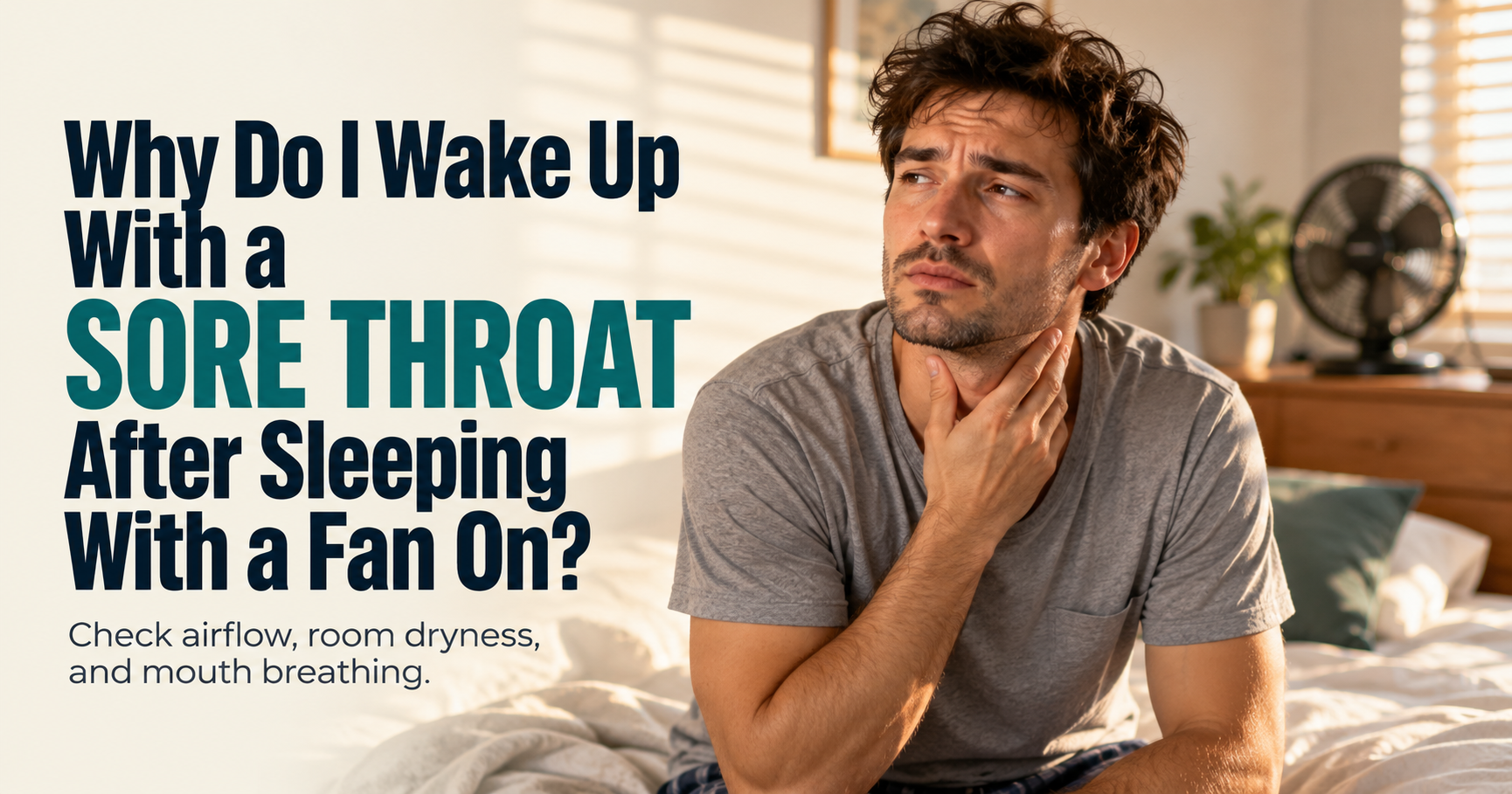
I can’t sleep without a fan. I like the moving air, and I notice when the sound stops. So if I woke up with a scratchy throat, “turn off the fan” would be advice I’d have a hard time using.
The more useful question is what changed around my throat while I slept? A fan blowing toward my face, a dry room, a blocked nose, and a sore throat from something unrelated to the fan can feel remarkably similar first thing in the morning. I’d start by moving the airflow and looking for a pattern before blaming the fan itself.
Can sleeping with a fan cause a sore throat?
It can contribute to a dry, scratchy feeling, especially if the air blows across your face or you sleep with your mouth open. But a fan is not the only possible cause of a sore throat in the morning.
Dry indoor air and mouth breathing can irritate the throat. Allergies, reflux, and infections can also be involved. Mayo Clinic’s guide to sore throat causes is a useful reminder that the time you notice a symptom does not always tell you what caused it.
That distinction matters to me because I’m keeping my fan. I want to find out whether I need to change where it blows, deal with a stuffy nose, or pay attention to a symptom that has nothing to do with the bedroom setup.

What I’d check before changing anything
I’d think back over the first few minutes after waking up:
| What I notice | What I’d check next |
|---|---|
| My throat feels dry or scratchy, then improves after a drink | Direct airflow, dry room air, and mouth breathing |
| My mouth is dry too | Whether my nose was blocked or I slept with my mouth open |
| I wake up congested or need to clear my throat | Allergies, dust, or mucus draining down my throat |
| It burns or tastes sour | Whether reflux could be involved |
| It hurts to swallow and I feel ill during the day | An illness rather than the fan alone |
This is a way to choose a sensible first step, not to diagnose myself from a table. A throat that feels better after a drink is a different situation from one that becomes more painful as the day goes on.
Is the fan blowing at my face?
That’s the easiest variable to change. I’d leave the fan running and point it toward a wall, across the foot of the bed, or elsewhere in the room instead of toward my nose and mouth.
Then I’d give that arrangement a few nights. If my throat feels better and I’m still sleeping comfortably, I’ve found a practical fix without giving up the fan.
I wouldn’t change the fan speed, open a window, add a humidifier, and wash every piece of bedding on the same night. If I do everything at once, I won’t know which change helped.
Am I waking up with a blocked nose and an open mouth?
This one is easy to miss while I’m asleep. If I wake up congested and my mouth feels dry, I’d pay more attention to my nose than to the fan setting.
A blocked nose can lead to mouth breathing, which can leave the throat dry or sore. Dust and allergies may be part of that picture too. I’d look at whether the congestion happens every night, only during certain seasons, or after the fan has been sitting uncleaned for a while. Cleveland Clinic explains how mouth breathing can affect the throat.
I would not try to force my mouth shut while my nose is blocked. The useful step is figuring out why breathing through my nose is difficult.
Is the room air dry?
A fan moves the air that is already in the room. If the room feels dry, changing the direction of the breeze might help, but it may not settle the whole problem.
I’d check the room humidity before buying a humidifier. A small hygrometer gives me a number to work with; my throat alone cannot tell me exactly how humid the bedroom is. The EPA recommends keeping indoor relative humidity around 30% to 50%. If I use a humidifier, I’d clean it as directed and avoid making the room damp. The EPA’s humidifier guidance explains why upkeep and humidity limits matter.
A humidifier is a possible response to genuinely dry air. It isn’t my first purchase just because I slept beside a fan.


The change I’d make tonight
If I wanted one simple test, I’d do this:
- Keep the fan on. I already know I have trouble sleeping without it.
- Turn it away from my face. Let it move air through the room without blowing across my mouth all night.
- Notice my nose at bedtime and on waking. Congestion may explain why my mouth was open.
- Compare the next few mornings. Did the scratchy feeling ease quickly after a drink, last for hours, or disappear after I moved the fan?
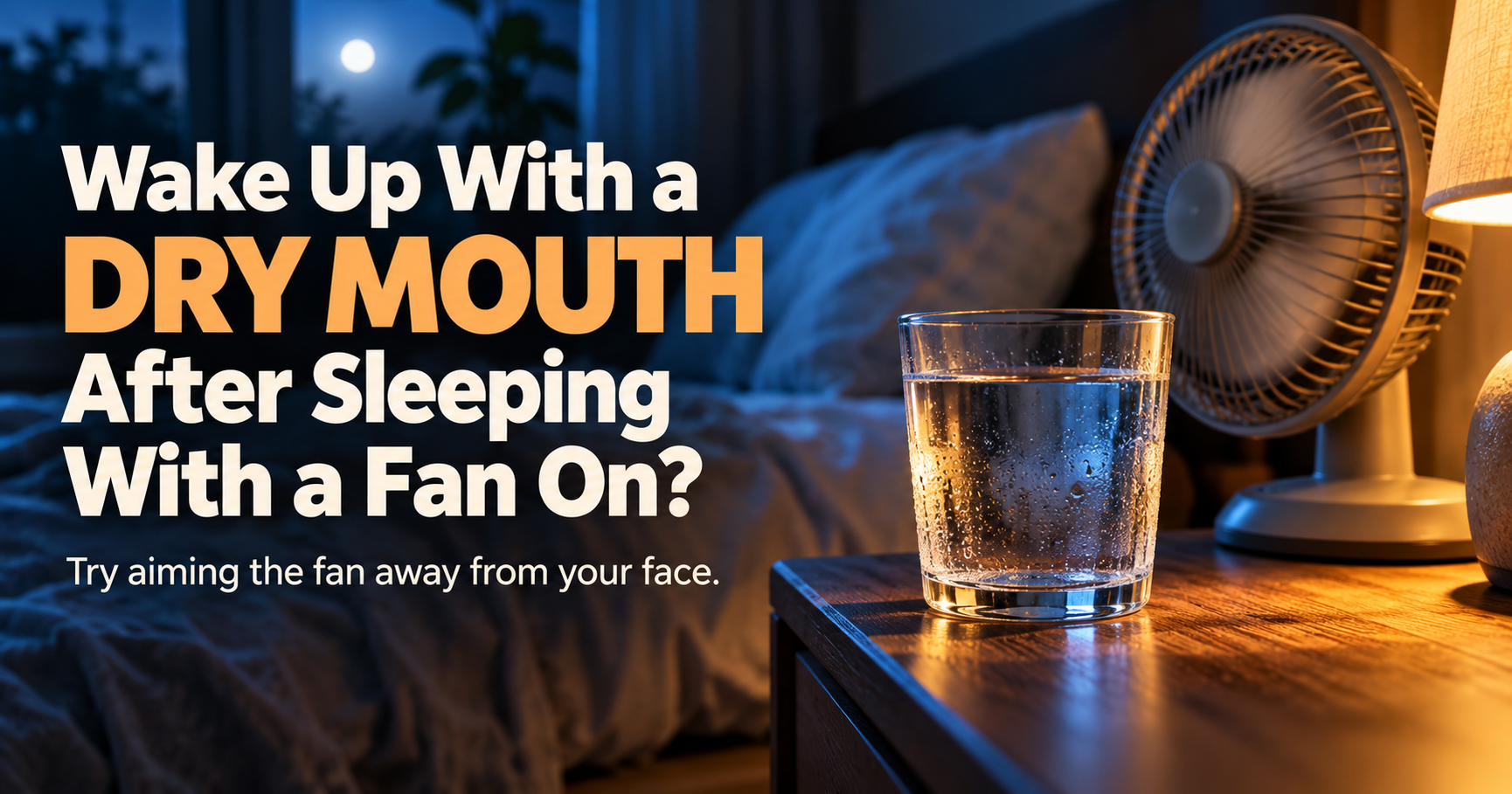
I keep a drink on my nightstand because waking up thirsty is familiar to me. Milk is usually my choice. But if I’m getting up for a drink every night and waking with a dry mouth as well, I’d look beyond the immediate relief of that first sip. I go through that pattern in why I wake up with a dry mouth after sleeping with a fan on.
When I’d stop blaming the fan
If my throat hurts throughout the day, hurts when I swallow, or comes with fever or other signs that I’m sick, moving the fan probably won’t answer the real question. The same goes for a sore throat that keeps returning despite changes to the airflow.
I’d seek medical advice for a persistent or worsening sore throat. Trouble breathing or being unable to swallow needs urgent help. The NHS sore throat guidance gives a fuller list of symptoms that warrant care.
And if mornings also involve loud snoring, waking up gasping, or severe daytime sleepiness, I’d mention those details to a clinician rather than assuming dry air explains everything.
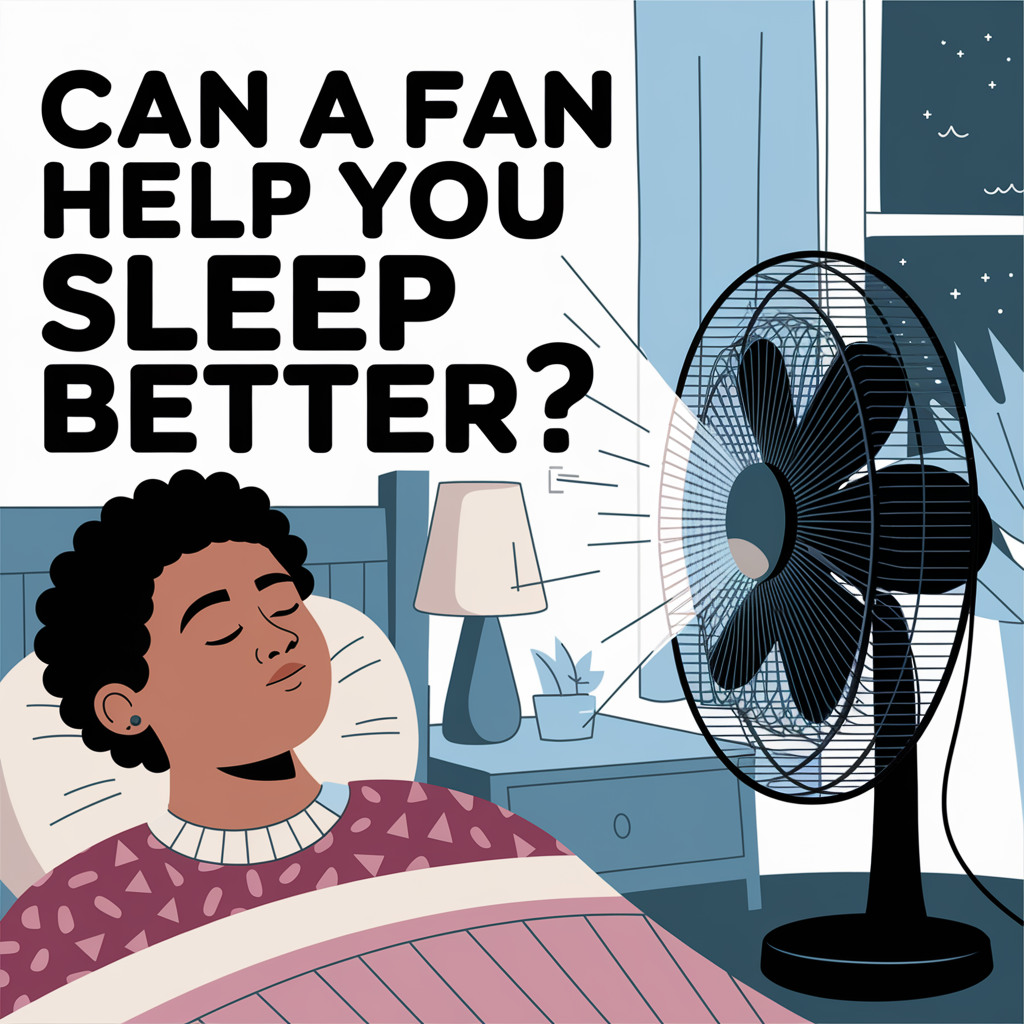


Why the first hour after waking matters
I’d pay attention to what happens after I get out of bed. If the scratchiness fades once I’ve had a drink and started my day, I’d look closely at the overnight conditions: airflow, room dryness, and whether I was breathing through my mouth.
If swallowing stays painful through breakfast and into the afternoon, I wouldn’t keep adjusting the fan night after night and assume I’d eventually fix it. A sore throat that follows me out of the bedroom deserves a closer look.
I’d jot down three things for a few mornings: how my throat feels when I wake up, whether my nose is blocked, and whether the soreness goes away or lasts. That gives me more to work with than “the fan was on.”
Could the fan be stirring up dust?
If I wake up sneezing, congested, or needing to clear my throat, I’d check the fan and the area around my bed. Dust on the grille is easy to overlook when the fan runs every night. Bedding, nearby shelves, and the floor can collect it too.
I’d clean the fan according to its instructions and wash the bedding, then see whether the morning congestion changes. I wouldn’t treat a dusty fan as proof that dust caused my sore throat. I’d use it as one reasonable thing to check, especially if my nose feels worse at night.
The direction of the airflow matters here as well. If the fan sits beside a dusty surface and blows straight toward my pillow, I’d move it before deciding I need to replace it.
What if the fan helps me sleep but the air bothers me?
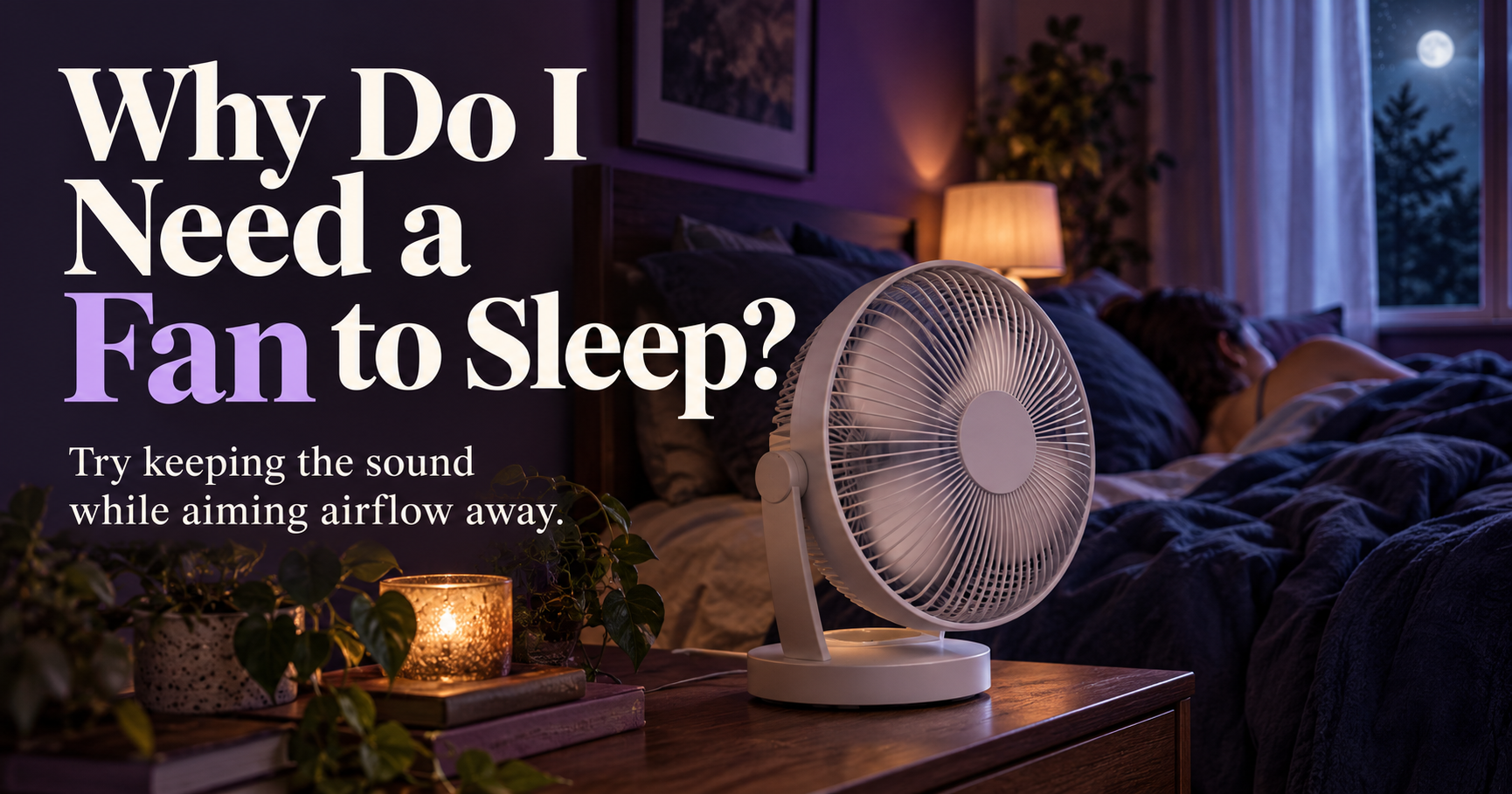
I’d separate the two things I like about a fan: the sound and the breeze. Some nights I may want both. But if air blowing across my face leaves me uncomfortable, I can keep the steady sound while moving the fan farther from the bed or aiming it away. the sound and airflow of a fan offers a broader way to decide which of those two benefits you are relying on.
I’d make the smallest change that lets me sleep. A fan across the room may still be loud enough for me while keeping the strongest breeze off my face. If I’m mainly relying on the sound, I could compare that setup with another steady background sound on a different night.
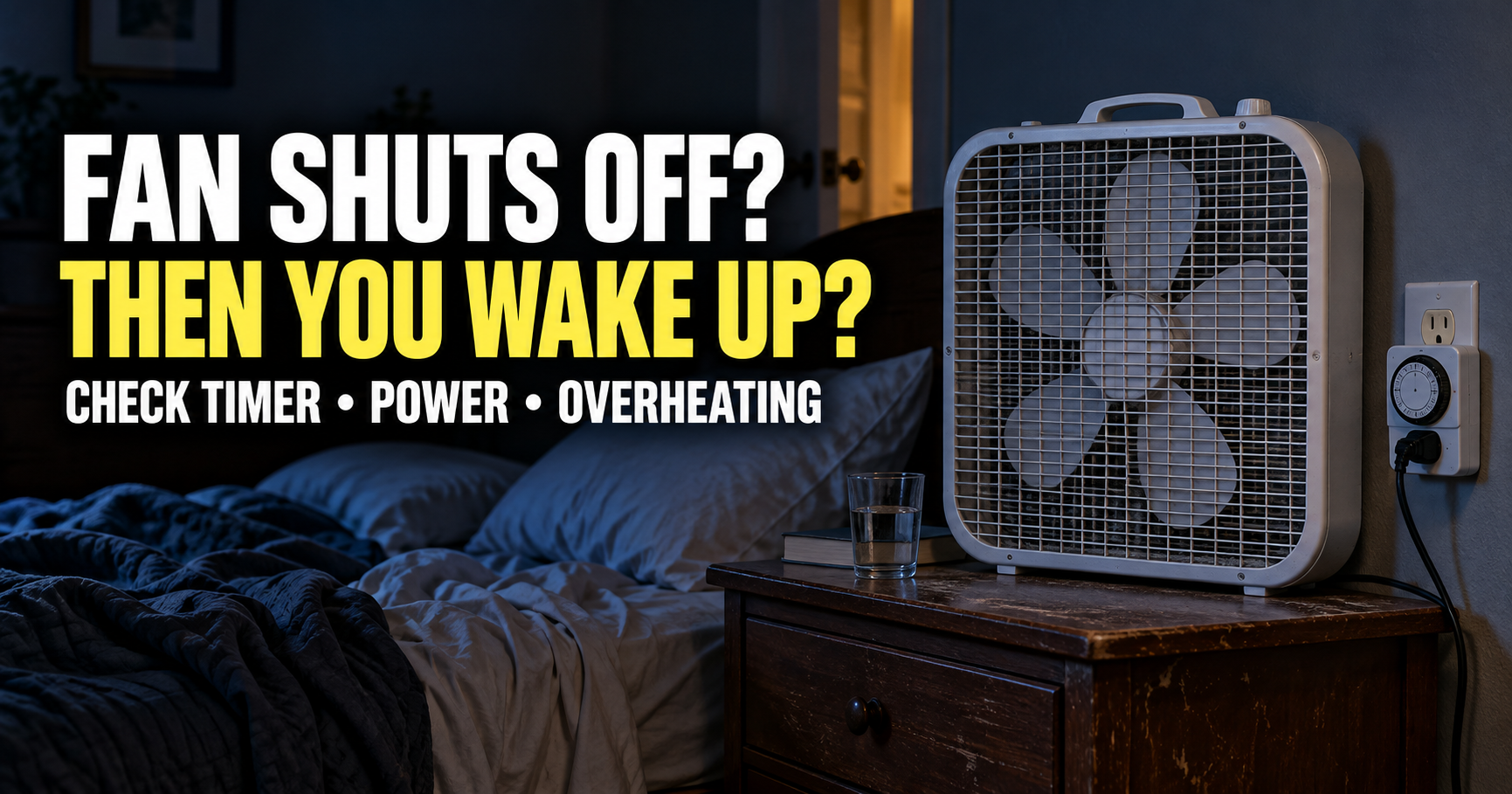
I’d also notice whether I wake when the fan stops. That’s a separate problem from waking with a sore throat, and the pattern when my fan turns off can help me sort out which part of the setup is disturbing my sleep.
When the fan might be getting blamed for something else
I’d ask whether the sore throat only happens after nights with the fan, or whether the fan simply happens to be on every night. Since I use mine whenever I sleep, I can’t compare “fan night” with “no fan night” very easily. I can compare where it sits, which way it points, how stuffy my nose feels, and whether I have symptoms during the day.
For example, waking with a sour taste or burning feeling would make me consider reflux. Sneezing and a blocked nose would make me look at congestion. Fever or worsening pain would make an illness more likely than a bedroom breeze.
I wouldn’t expect one clue to settle it. I’d look for a repeatable pattern, make one change at a time, and get medical advice if the soreness persists or gets worse.

I still want my fan at night
For me, the fan is part of falling asleep. I don’t need a lecture about learning to live without it. I need to know whether the breeze is aimed at my face, whether my nose is making me breathe through my mouth, and whether the sore throat follows me into the rest of the day.
If the fan’s steady sound is the part you rely on, you might also recognize the sudden silence in why I wake up when my fan turns off. If the sound matters but the direct breeze bothers you, brown noise on a noisy night is another option to consider.
I’d start tonight by turning the fan away from my face. It takes seconds, costs nothing, and lets me keep the part of bedtime I actually like.
Nora Whitcomb writes for Sleep Ocean about the small bedroom problems that can make a good night’s sleep surprisingly hard to get. Her approach starts with what a person can observe and change at home, while taking persistent symptoms seriously.
As an Amazon Associate we earn from qualifying purchases through some links in our articles.