
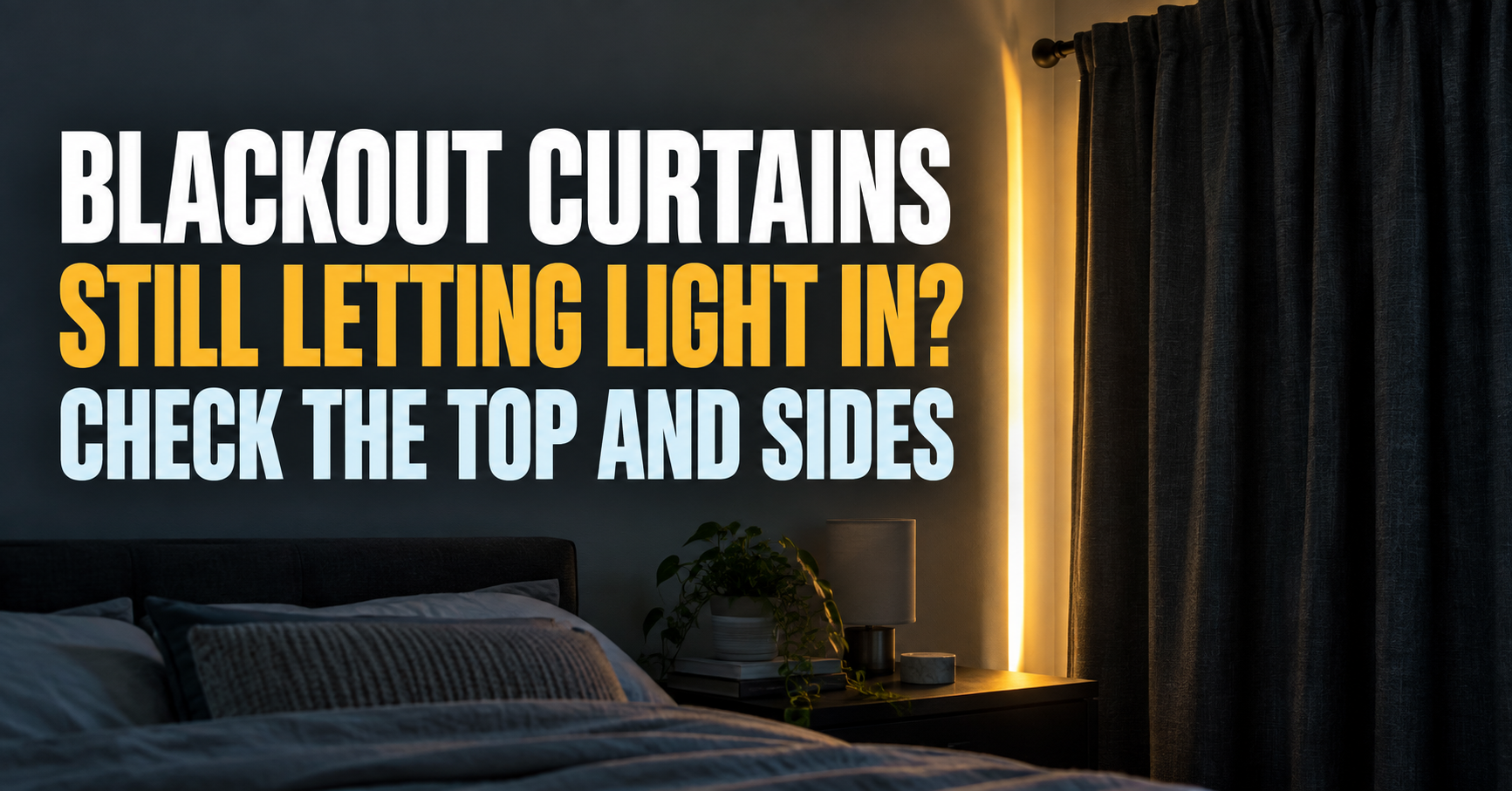
You bought blackout curtains, closed them before bed, and still woke up with a bright stripe of sunlight across the room. It makes you wonder whether the curtains were worth buying at all.
The fabric may be doing its job while light slips around it. The top, sides, center opening, and bottom of a curtain can all let light into a bedroom. Sometimes the glow is coming through the material itself. The fix depends on which of those things you are actually seeing.
I would check the room when it is brightest, then deal with the visible leak before buying another set.
Take a 60-second look at the window
Close the curtains the way you normally do. Stand by your pillow and look toward the window. Then walk closer and check four places: above the rod, along both sides, where the panels meet, and below the hem.
Next, look at the fabric. Is there a bright outline around an otherwise dark curtain? Or does the entire panel seem to glow?
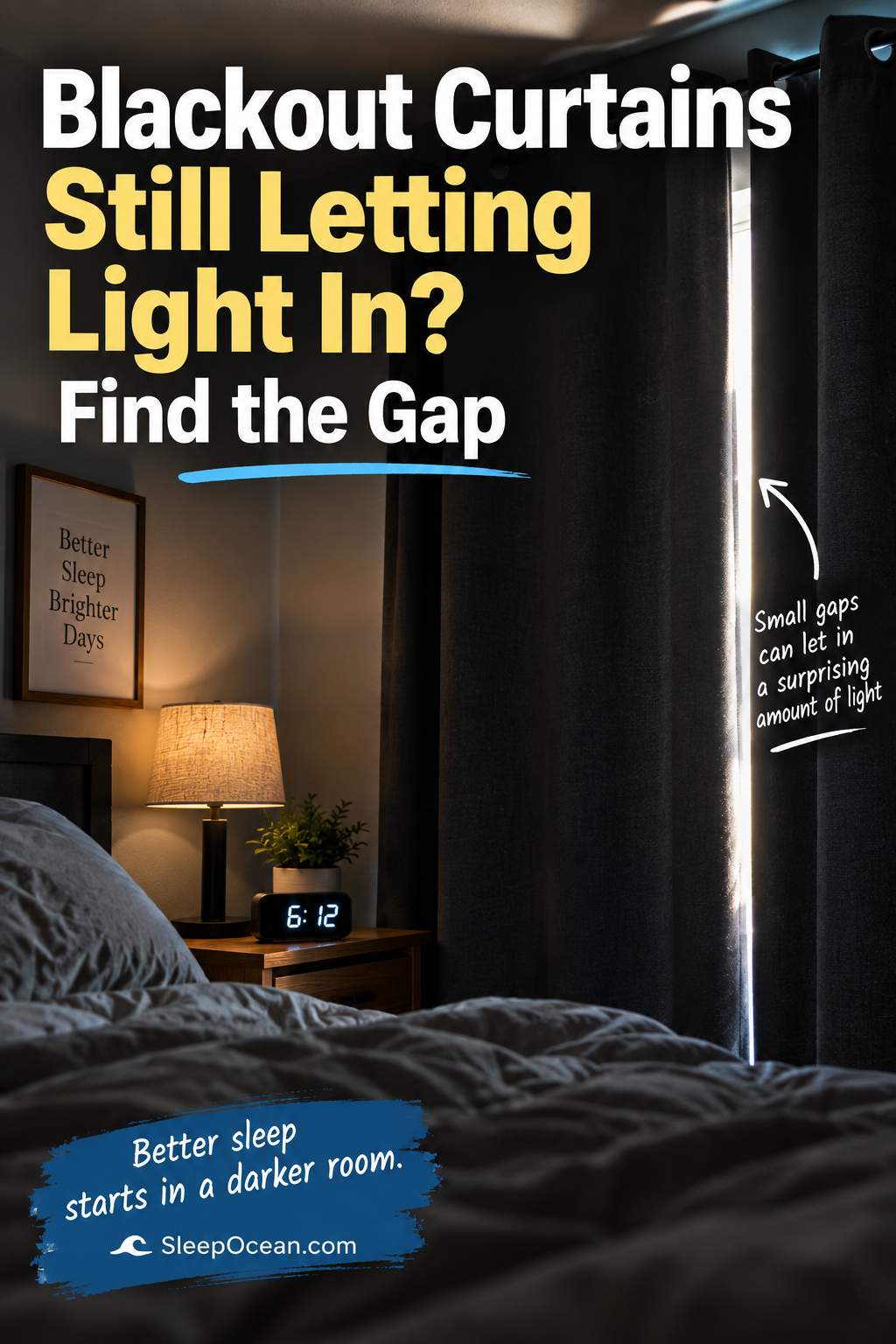
That distinction saves a lot of guessing. A thicker curtain will not fix sunlight pouring over the rod. Moving the rod will not fix fabric that lets light through its entire surface.
The CDC advises blocking light around the edges of window coverings and using more opaque coverings when blinds let too much daylight into a sleeping space.


If light comes over the top
Look at the gap between the curtain rod and the wall. If the rod sits low or far from the wall, daylight can come over it and wash across the ceiling.
I would first see whether the rod can sit higher and closer to the wall. Check that the curtain will still reach low enough to cover the window after you move it. A rod adjustment is only helpful if it does not create a new gap at the bottom.
Also check how the curtain hangs from the rod. Some hanging styles leave more space above the fabric than others. Stand where you sleep and look at the top edge before deciding what hardware to change.


If sunlight comes around the sides
A curtain that is exactly as wide as the window often leaves the sides exposed. From the bed, that narrow opening can look surprisingly bright.
Pull the curtain toward the wall and see whether it has enough width to cover the gap. If it does, the rod may need to extend farther past the window. If it does not, you may need a wider panel or another way to cover that exposed edge.
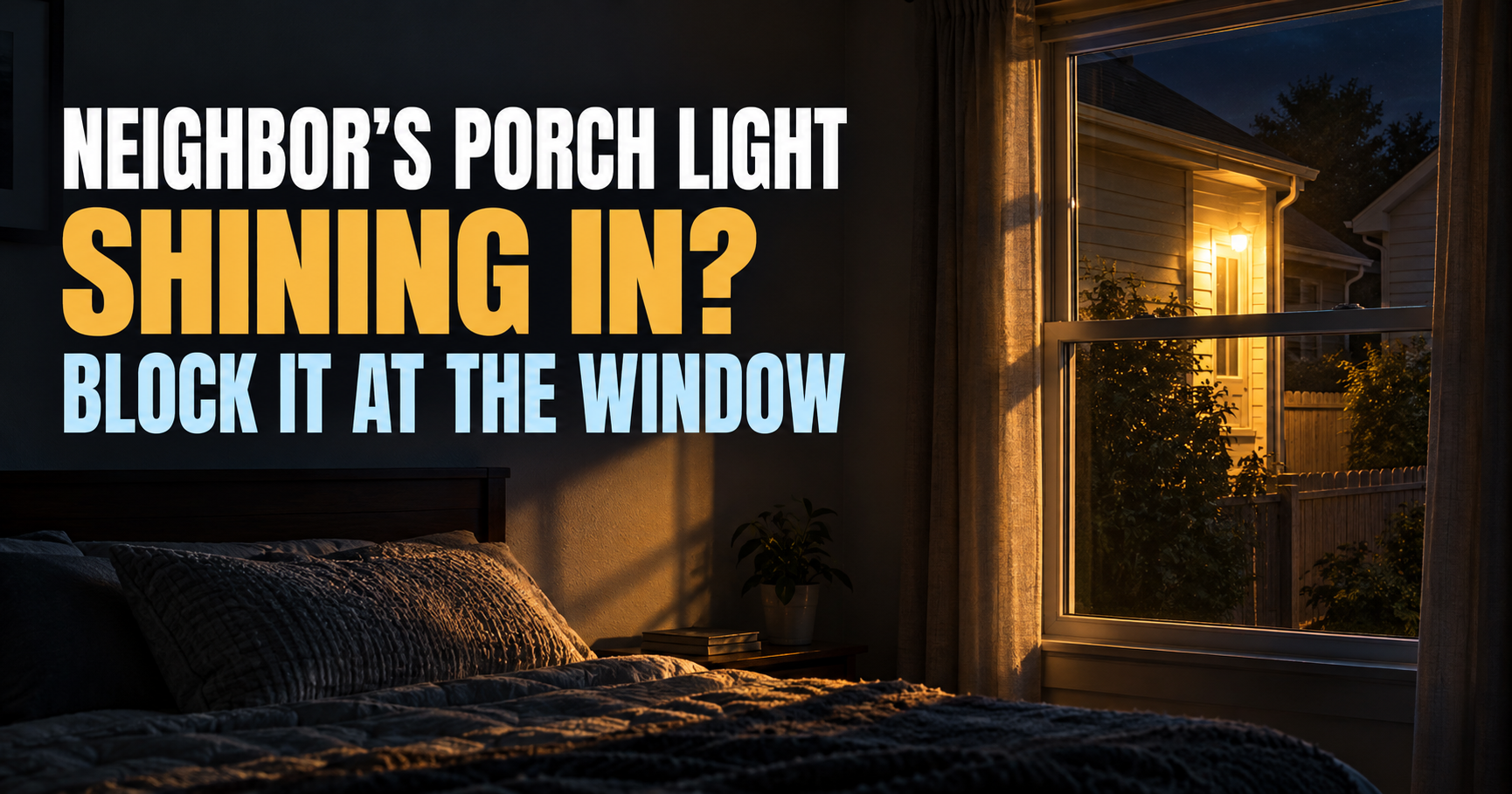
I would check both sides separately. The sun may strike only one edge in the morning, while a porch light reaches the other at night. Fix the side that causes the wake-up you are trying to prevent.
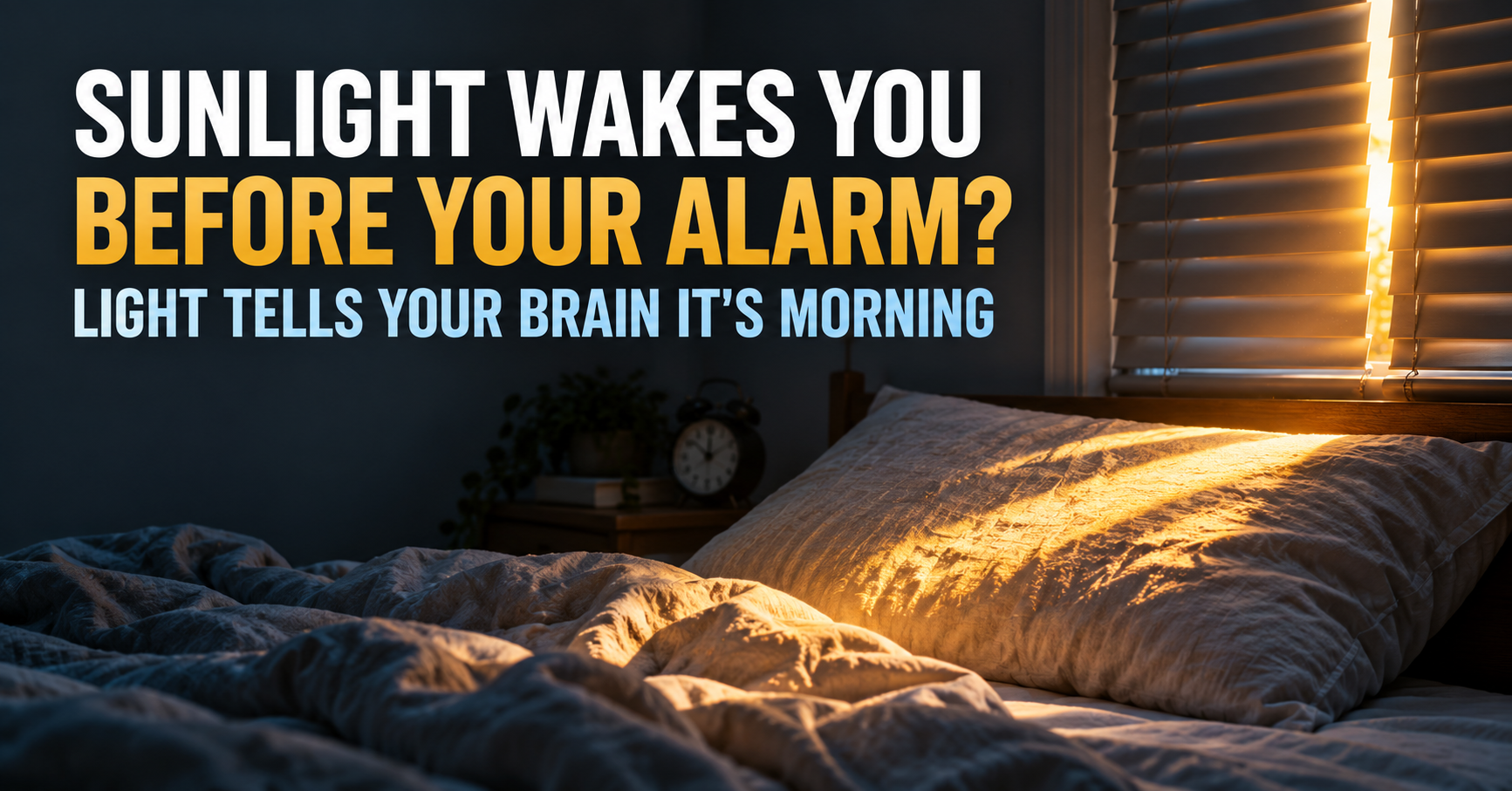
For more on why that early light may matter, see my guide to sunlight waking you before your alarm.
If the bright line runs down the middle
Two panels can look closed from across the room while leaving a thin opening where they meet. If you see a vertical stripe, pull the panels together and check whether they overlap.
Sometimes the fix is as simple as closing one panel slightly farther. If they barely touch even when fully extended, the total width may be too narrow for the window. A curtain needs enough extra fabric to cover the opening while still hanging properly.
Pay attention to what happens overnight, too. If the panels separate when someone opens a window, uses a fan, or brushes past them, the problem may be keeping them together rather than replacing them.


If light comes in below the curtains
The bottom gap is easy to miss at night and obvious at sunrise. Morning light can hit the floor, then brighten the room even when it never shines directly on your face.
Check whether the curtain stops at the window sill while sunlight reaches through the lower part of the window. If you have room for a longer panel, measure from the rod to the point where you want the fabric to end. Keep it clear of anything that would make opening the curtain awkward or unsafe.
Before buying a longer set, try covering that lower opening temporarily for a morning. If the bedroom stays noticeably darker, you have confirmed which gap matters.
If the whole curtain glows
Now I would question the material. Some curtains reduce light without making the room very dark. A product name or a dark color does not tell you how much light will pass through the panel in your particular window.
Close the curtain during full daylight. If light appears fairly even across the fabric rather than concentrated at the edges, the panel itself is the likely issue. Check whether it has a separate lining and whether that lining covers the full window.
I would still test before spending money. If you can temporarily add another opaque layer behind the curtain and the room becomes much darker, replacing or lining the fabric may help. If the room barely changes, look for another source of light.
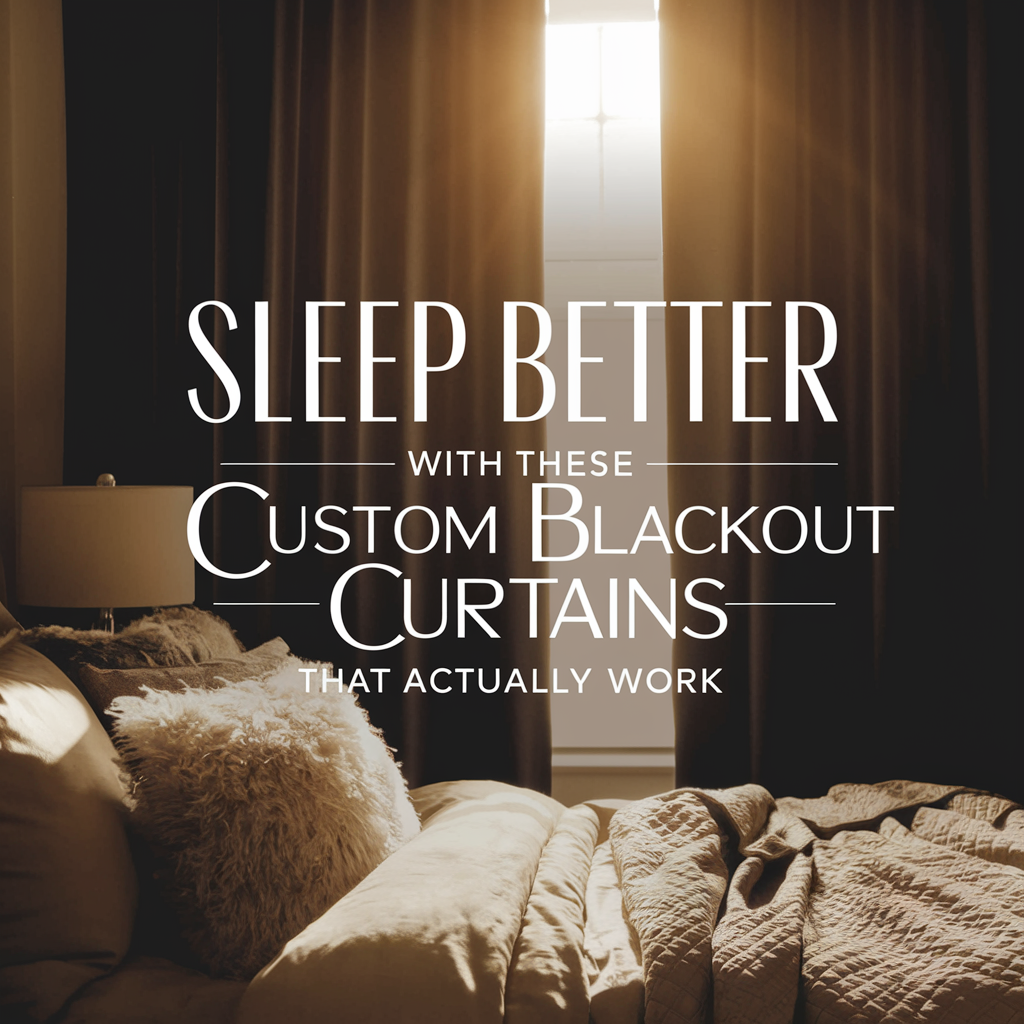
I have a separate article about choosing blackout curtains for sleep if you decide the current panels are the problem.
What if the curtains are working but the room still feels bright?
Turn away from the window and look around the bedroom. A bathroom light through an open door, an uncovered window in the hallway, a bright clock, or a TV standby light can be more noticeable once the main window is dark.
This is especially worth checking at night. Blackout curtains can remove the streetlight outside while leaving an indoor lamp shining straight toward the bed.
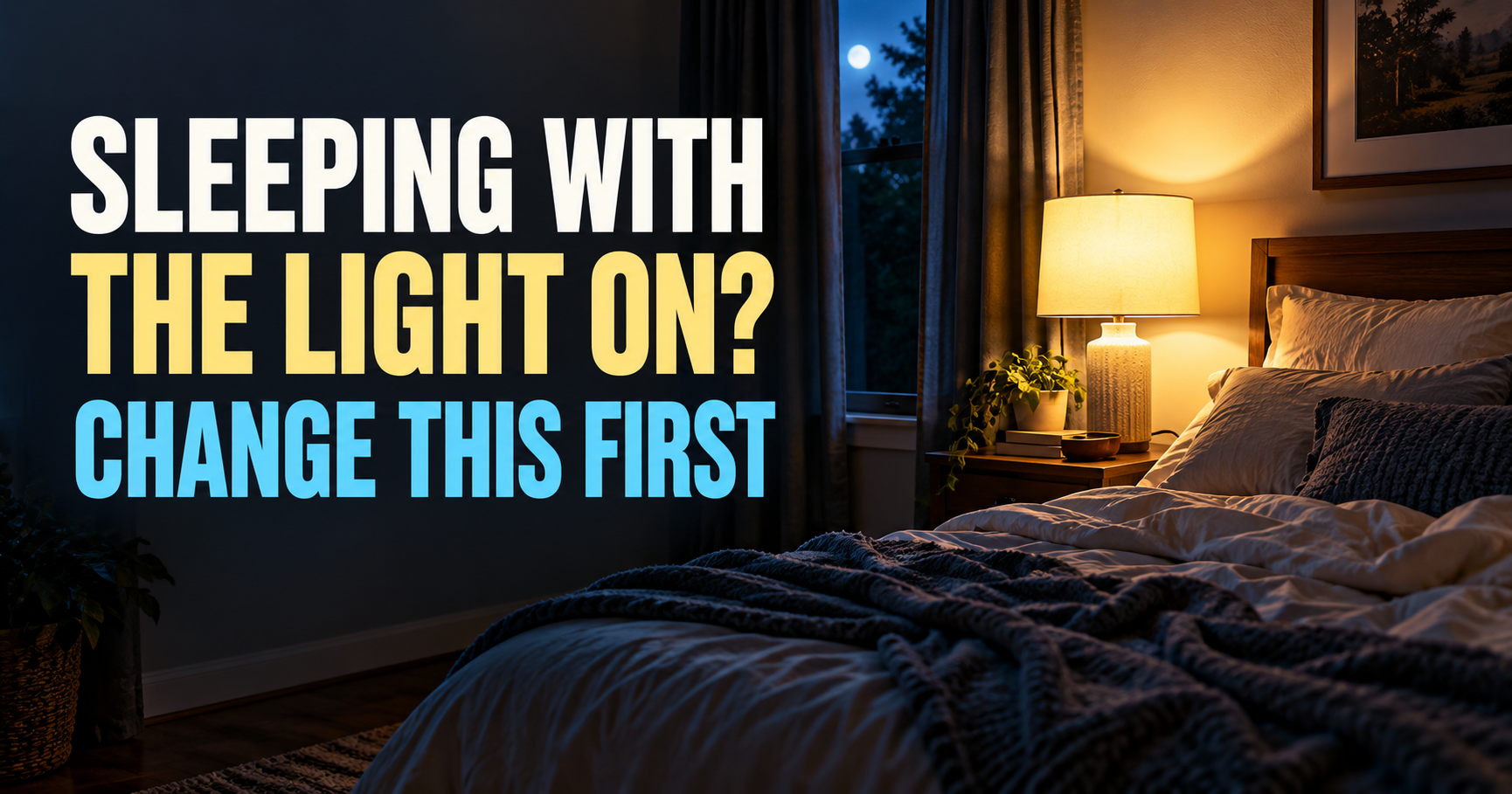
I would switch off or cover one indoor source at a time and see how the room looks from the pillow. My broader article on sleeping with the lights on walks through that bedroom check.
Do you need the room completely dark?
The useful goal is dark enough for you to sleep comfortably until the time you need to wake. I would not chase one tiny pinprick of light if it never reaches the bed and your sleep is fine.
I would pay more attention to a bright line across the pillow, a room that lights up well before the alarm, or a glow that repeatedly catches my eye when I wake during the night. Those are problems you can see, test, and address.
If you get up to use the bathroom, keep the route clear and use enough light to move safely. The CDC suggests a dim red night light for that purpose. A darker bedroom should still be a safe bedroom. These tips for nighttime bathroom trips also emphasize using only enough light to move safely without fully waking yourself.

A quick test before you replace your curtains
If I were trying to solve this tonight, I would start with the brightest leak visible from the bed. I would cover or adjust that one spot and leave the rest of the setup alone for a few mornings.
If the room stays darker and I wake closer to my alarm, I know where to put my effort. If nothing changes, I would check the next light source instead of assuming I need a more expensive curtain.
And if the bedroom becomes properly dark but I still wake too early, I would stop treating the curtains as the whole answer. Light may have been easy to see, while heat, noise, or another sleep issue is what actually wakes me.
About the author: Nora Whitcomb writes practical sleep guides for Sleep Ocean, with a focus on checking what is happening in a real bedroom before spending money on a possible fix.
As an Amazon Associate we earn from qualifying purchases through some links in our articles.