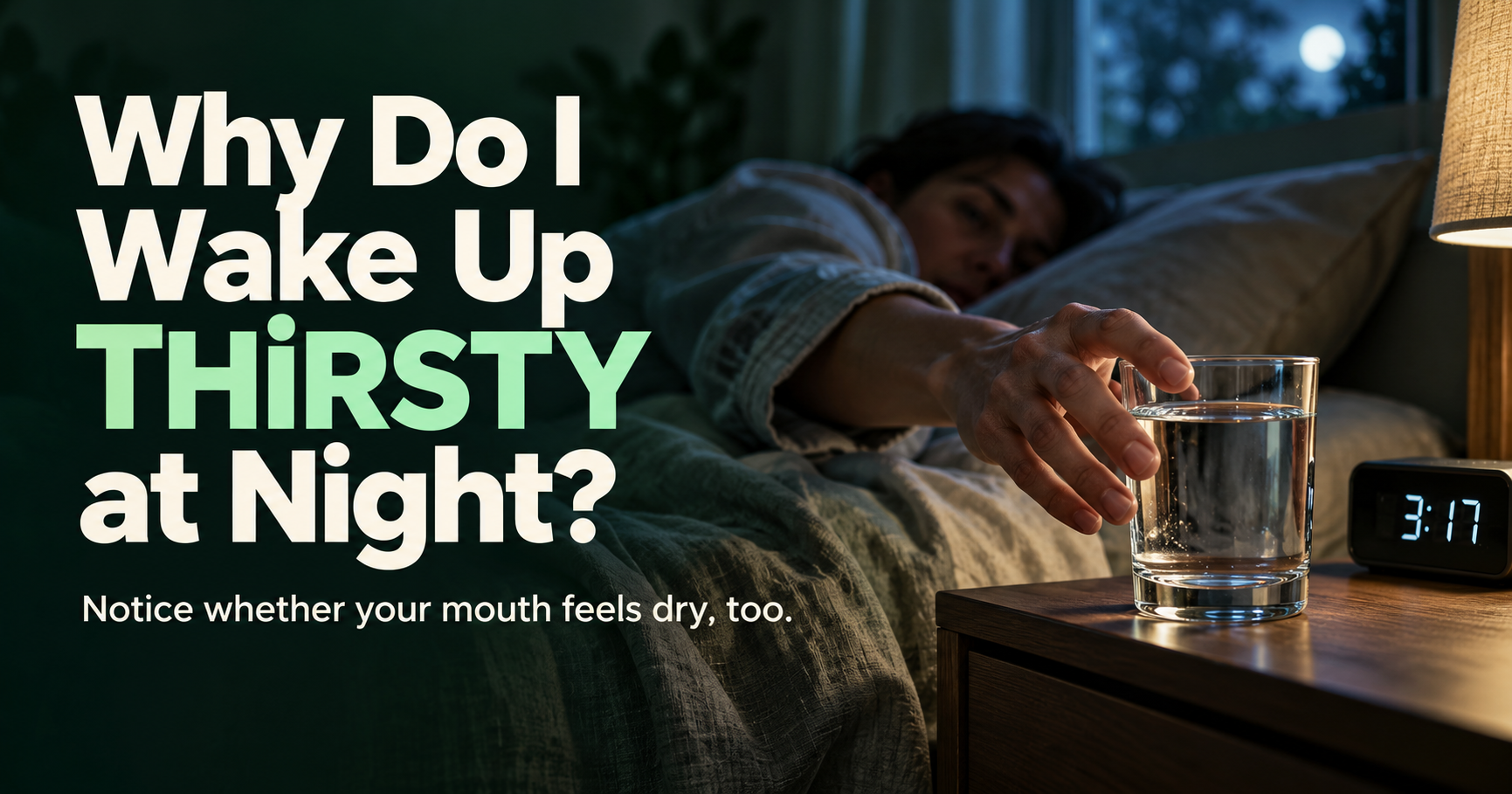
I keep a drink on my nightstand because I wake up wanting one. It happens during the night, not just in the morning. Milk is what I usually reach for, and my fan is almost always running because I have a hard time sleeping without it.
That’s my actual bedtime setup. What I don’t know just from reaching for a drink is why I woke up needing it.
Sometimes “I’m thirsty” can mean my mouth feels dry and a few swallows help me fall back asleep. Other times, thirst can mean I want a lot to drink and still don’t feel satisfied. I don’t want to treat those as the same thing, especially when this keeps happening.
If you wake up thirsty at night, I’d start with one question: Is it only your mouth that feels dry, or are you unusually thirsty even after you drink? The answer helps narrow down what to check next.
The difference I look for when I wake up
I don’t need to perform a medical exam at 2 a.m. I just need to notice what the experience is like before I roll over and forget it.
Is my mouth dry, sticky, or uncomfortable?
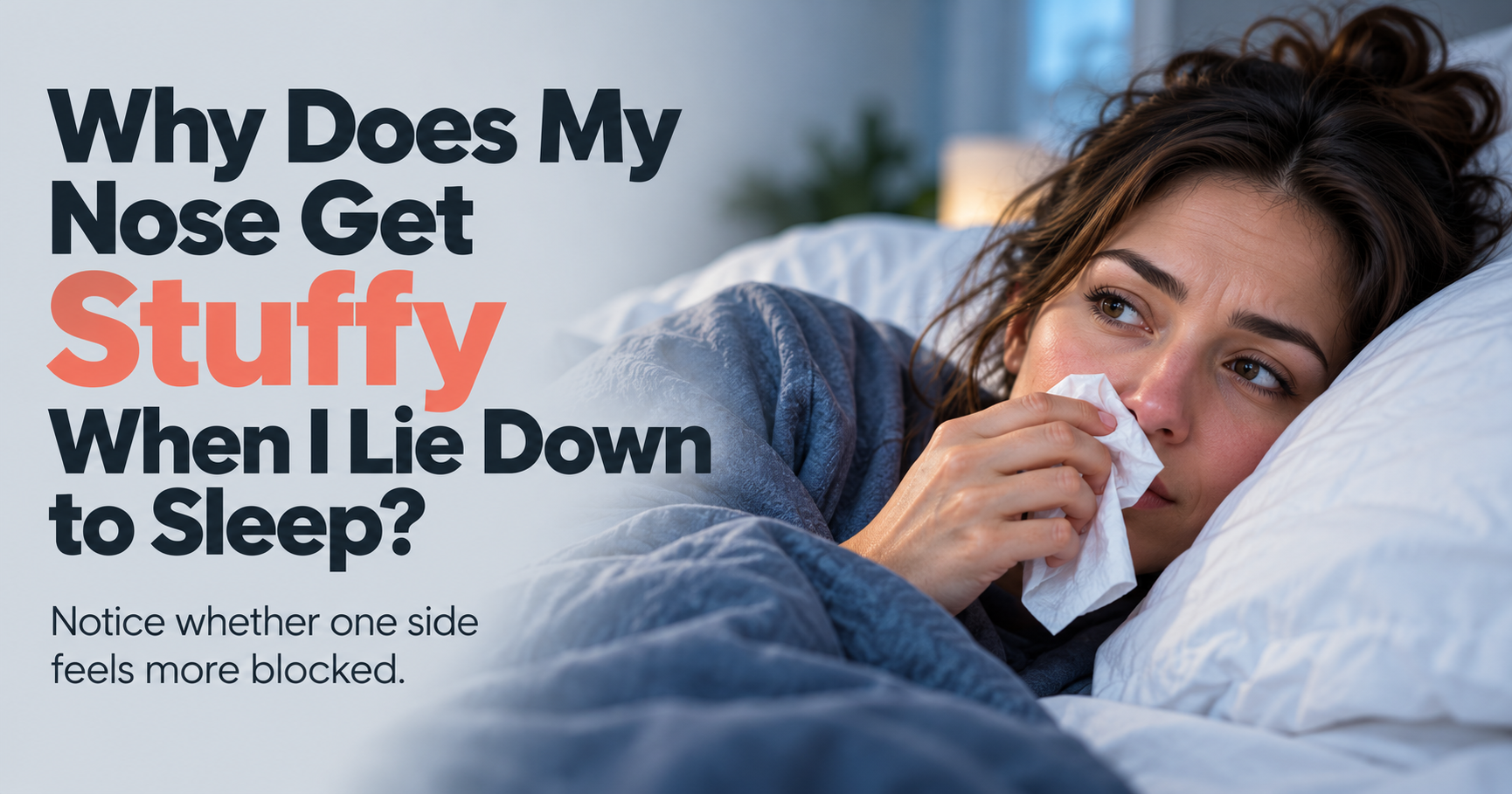
If my tongue feels dry or my mouth feels sticky, a drink may help because it moistens my mouth. In that situation, I’d pay attention to whether my nose is blocked, whether I may be sleeping with my mouth open, and whether the fan blows toward my face. For the nasal part of that pattern, see why your nose feels blocked at night.
Dry mouth can happen without my whole body needing a large amount of fluid. It can also have causes beyond my bedroom, including medications. If the dryness is persistent, it’s worth discussing with a healthcare professional or dentist. The National Institute of Dental and Craniofacial Research explains dry mouth and why it matters.
Do I want a lot to drink?
That feels different from wanting a quick sip so I can get comfortable. If I drink a substantial amount and still feel thirsty, I’d notice whether the same thing happens during the day.
I would take continuing thirst more seriously if I’m also peeing more often than usual. I can’t determine the cause from my nightstand, and I wouldn’t assume it’s the fan.
Did I wake up for another reason and only then notice I was thirsty?
This matters because I might wake when the room gets hot, when my fan turns off, because I need the bathroom, or because a noise gets my attention. Once I’m awake, I notice my dry mouth and reach for a drink.
That doesn’t mean the thirst woke me in the first place. If I can tell what interrupted my sleep, I have a better chance of addressing the right problem.

Why I’d check my nose before buying another bedroom gadget
I can sleep with my fan pointed away from me and still wake with a dry mouth if I’m breathing through my mouth. A blocked nose can make that more likely.

I’d notice whether I’m congested when I get into bed and whether I wake with my mouth open, a dry tongue, or a scratchy throat. If those things happen together, I’d think about my breathing before deciding I need a stronger humidifier or a larger glass of water. If breathing-related symptoms persist, sleep study for breathing concerns may be one option to discuss with a clinician.
I wouldn’t tape my mouth shut to test the idea, especially if I’m congested. I want to understand why my nose feels blocked, not force myself to breathe through it while I’m asleep.
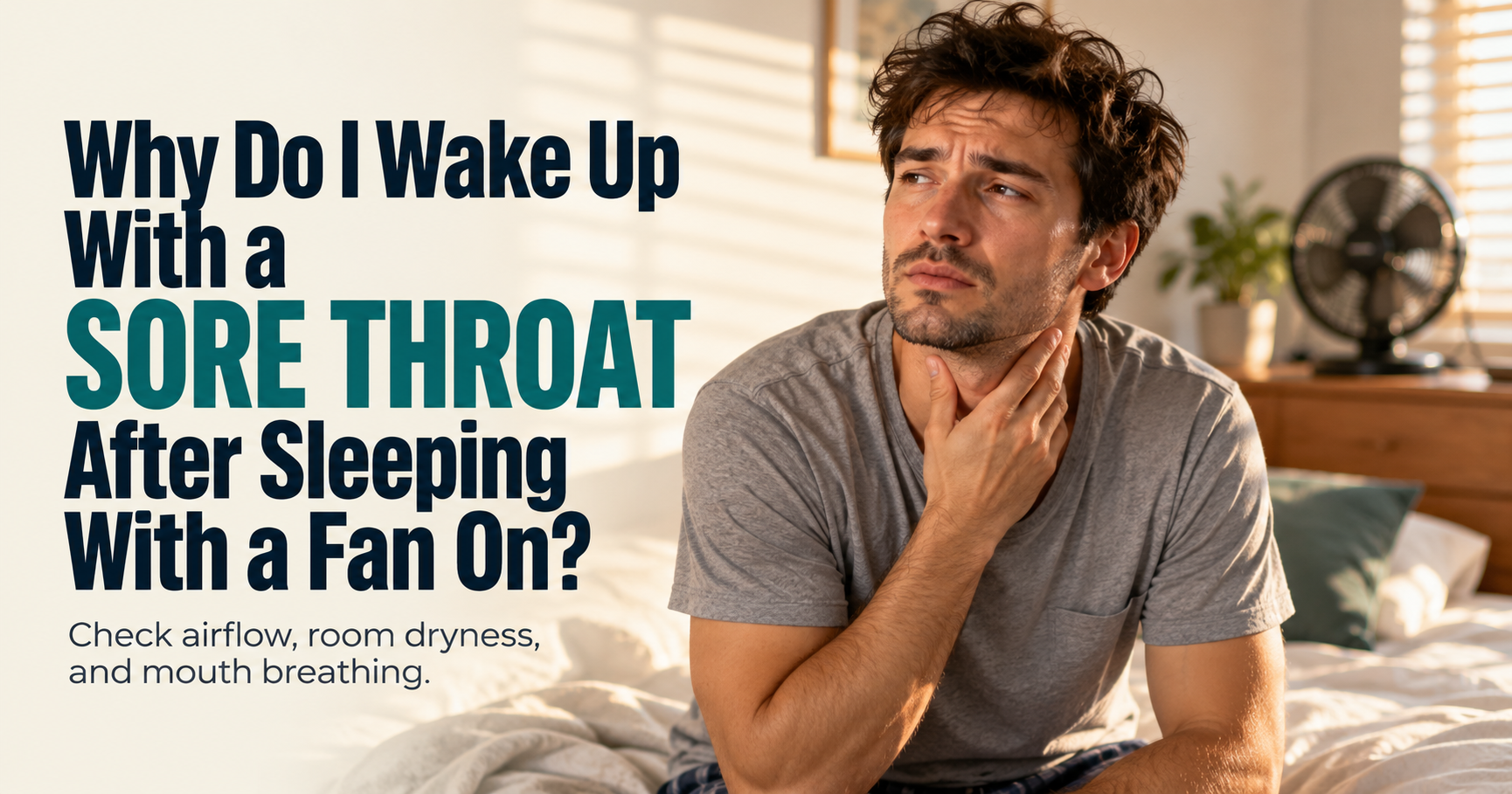
If I’m waking with throat irritation too, I’d compare it with the signs in waking up with a sore throat after sleeping with a fan on. A sore throat that lasts into the day deserves more attention than one brief dry feeling when I wake.


Where my fan fits into this
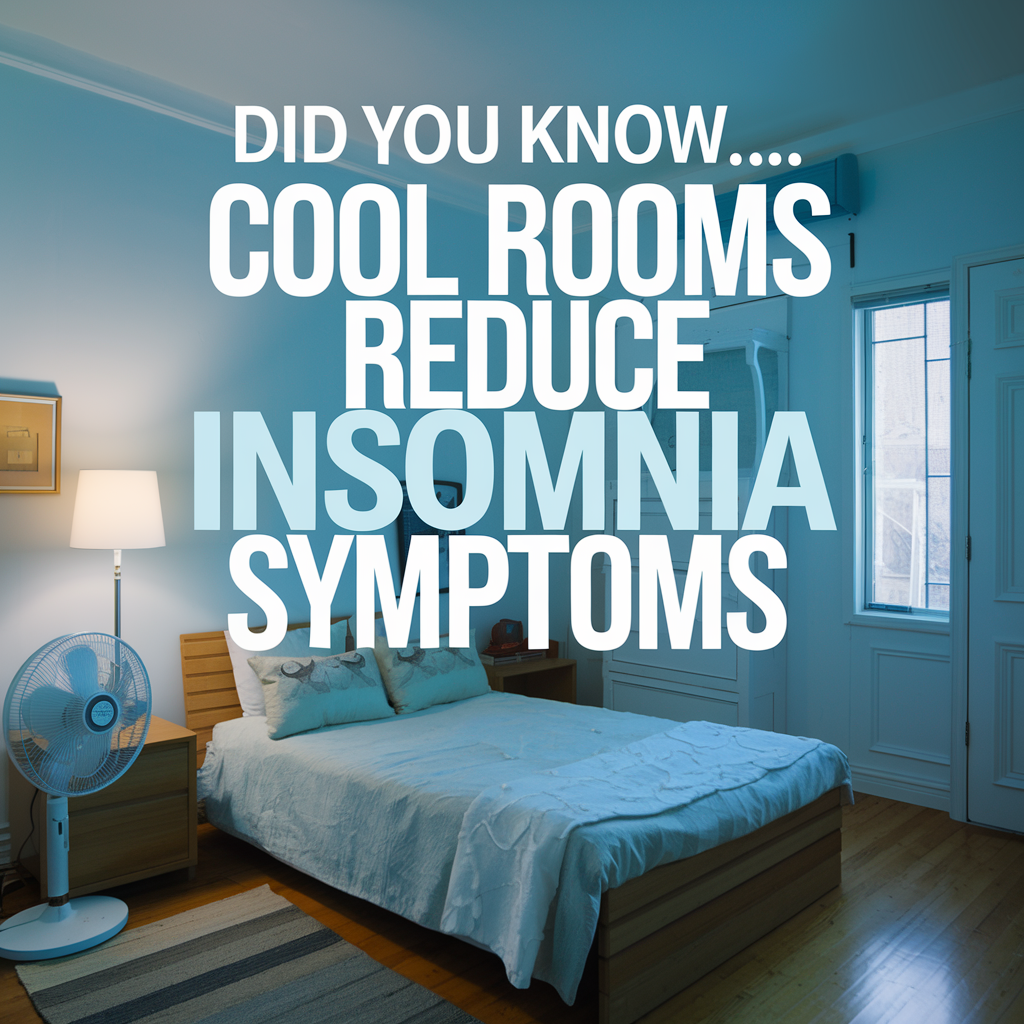
My fan is an easy thing to blame because I can see it running when I wake up. But I use it every night. Its presence alone doesn’t prove it caused the thirst.
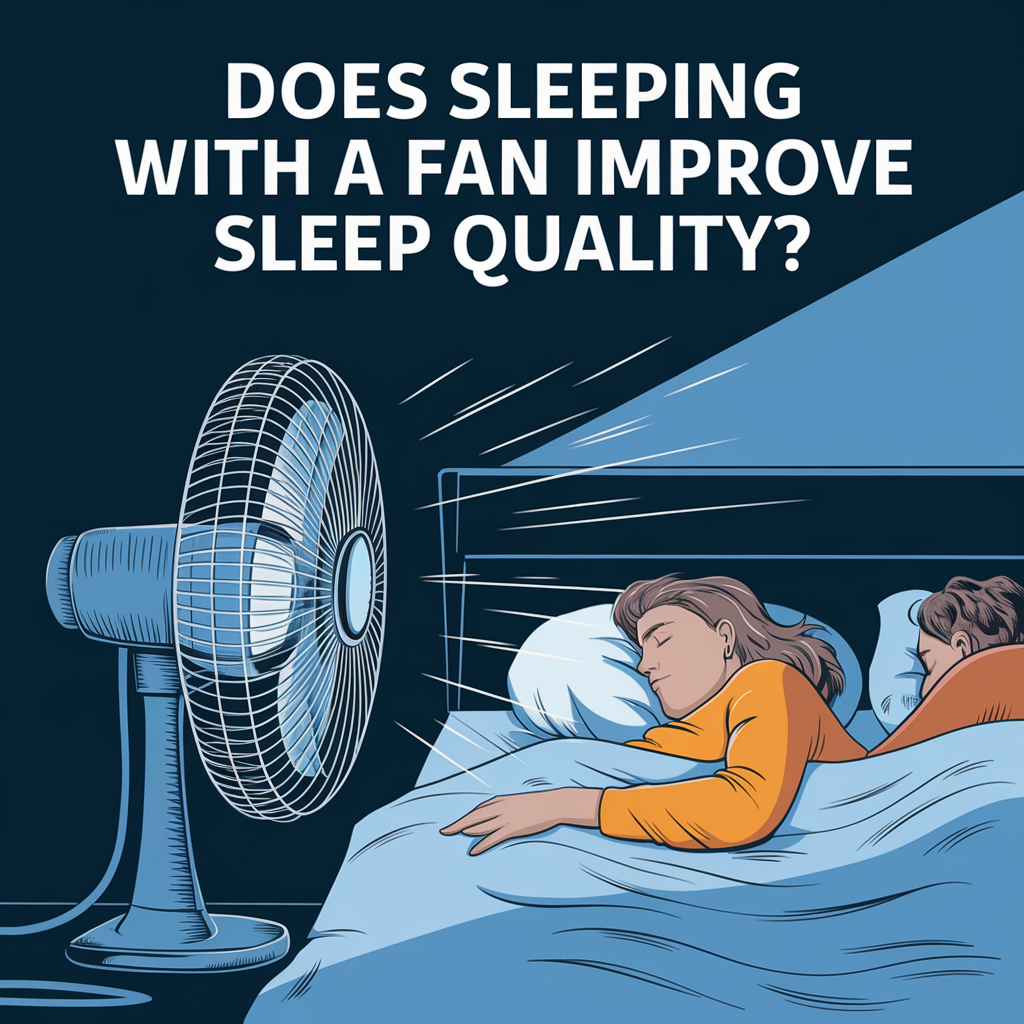
I’d ask where the air is going. A fan across the room that I mainly use for sound is a different setup from one blowing directly across my face all night. If it is aimed at my pillow, turning it toward a wall is a small change I can try without giving up the fan.
Then I’d give it a few nights and pay attention to the mouth dryness, not just whether I happened to wake up. My sleep can be interrupted for plenty of reasons. If my mouth feels less dry after moving the fan, that’s useful. If I still feel a strong need to drink, especially during the day, I need to keep looking.
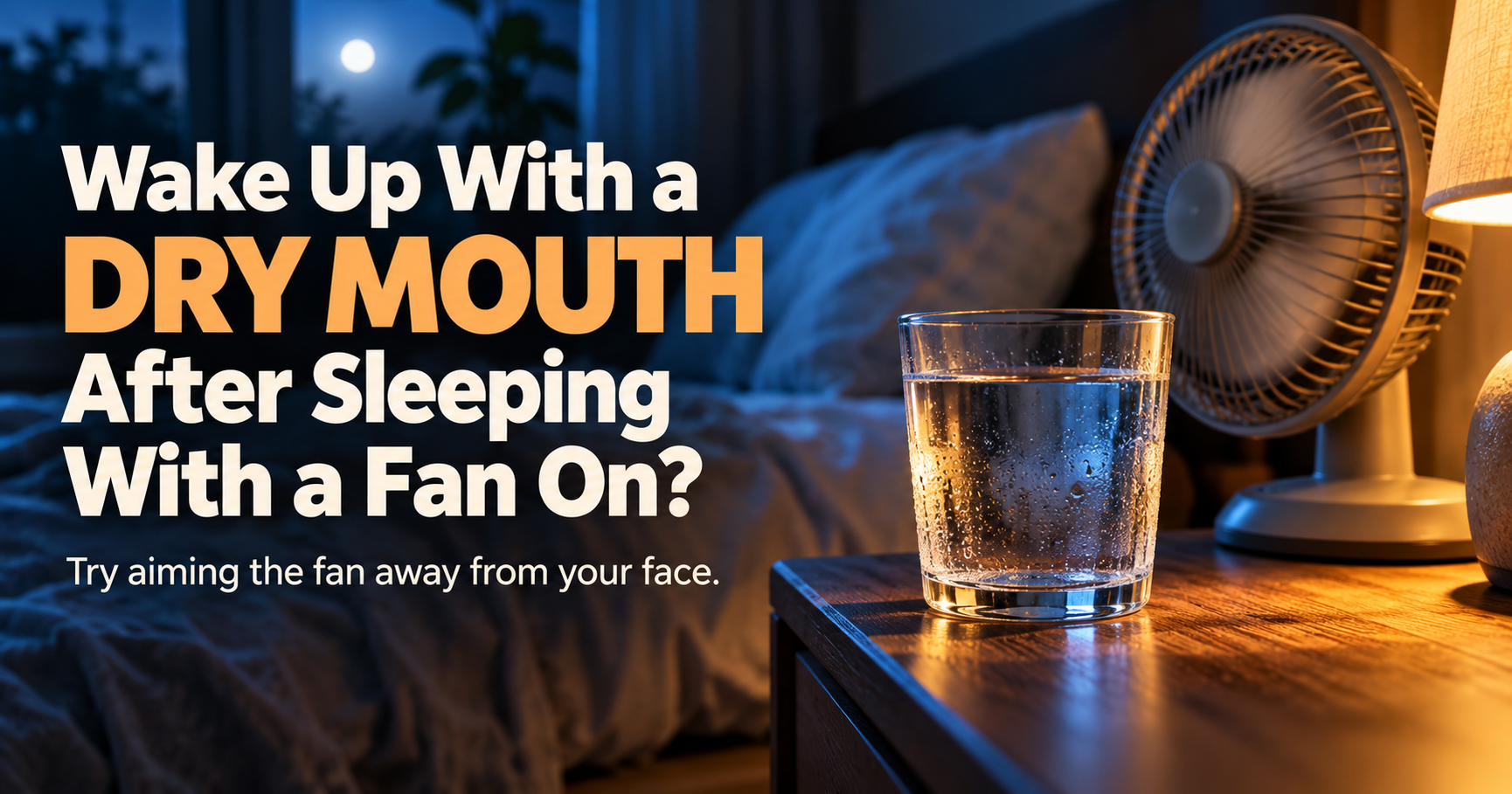
I get more specific about that airflow question in why my mouth feels dry after sleeping with a fan on. This article is about the broader question of nighttime thirst, including times when the fan may have little to do with it.
Is the bedroom making me uncomfortable enough to wake up?
I’d consider whether I’m waking because I’m warm. Once I’m awake, wanting a drink makes sense, but I’d still need to address what woke me.
I’d check the bed before relying only on the thermostat. Heavy covers can leave me feeling hot even when the room itself feels reasonable. If the whole bedroom holds heat, the problem may go beyond my bedding or fan placement.
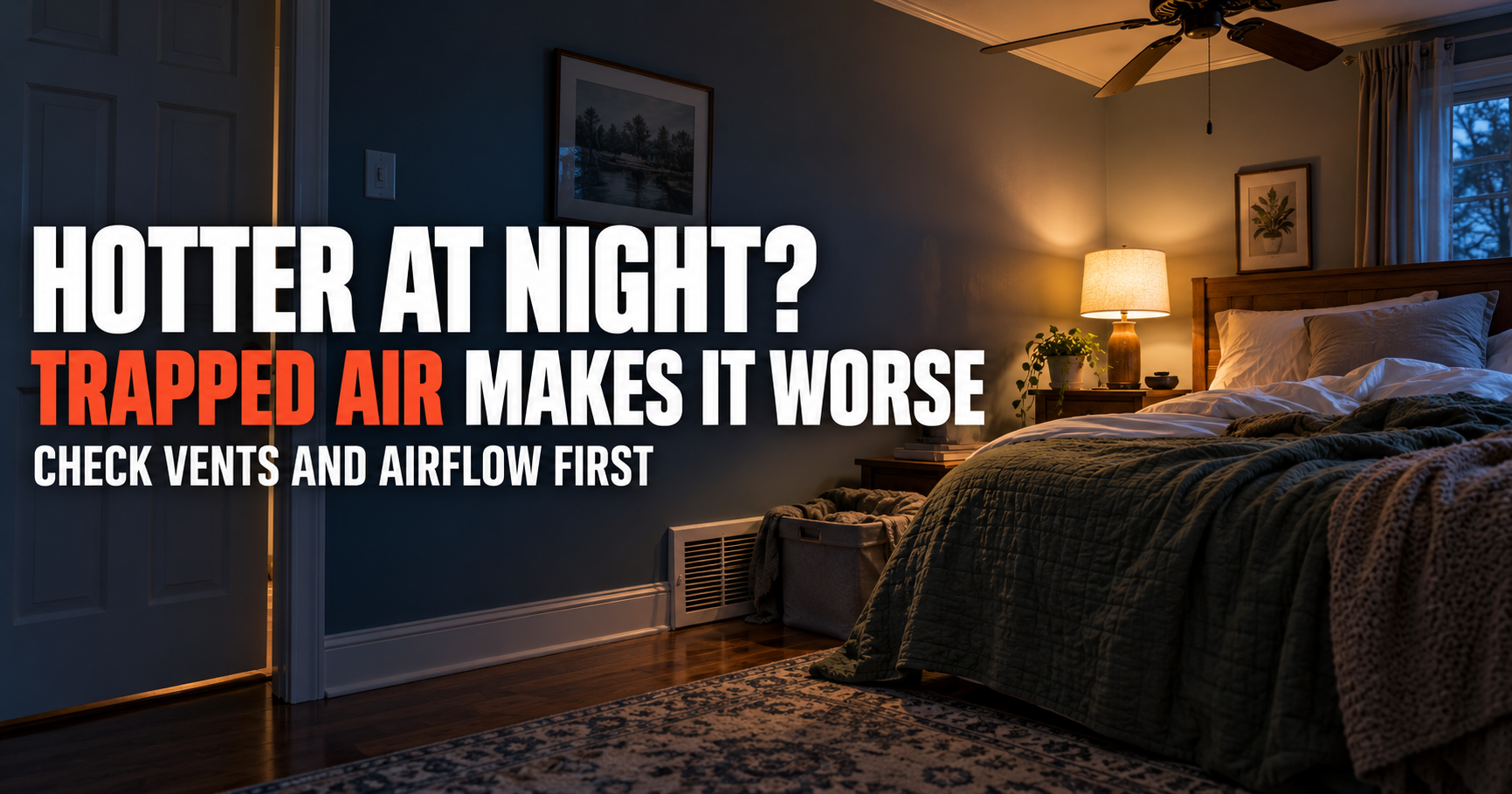
That’s where why a bedroom gets hotter than the rest of the house at night becomes useful. If my room is noticeably warmer than the rest of the house, I’d investigate that pattern separately instead of expecting a nightstand drink to make sleeping there comfortable.
A dry room is another possibility, but I wouldn’t guess its humidity from how my mouth feels. If I suspect the air is unusually dry, a simple humidity reading gives me better information than buying a humidifier first.


What I’d think about from the evening before
I wouldn’t blame every nighttime drink on something I ate. I would look for nights that stand out.
A salty meal or snack could make me want a drink. I might also go to bed already thirsty after a busy day and only notice how much I want to drink when I wake in a quiet room. If I’m sick, feverish, or losing fluids, that changes the picture too.
What I wouldn’t do is drink a huge amount right before bed as my only solution. If I start waking to use the bathroom instead, I’ve replaced one interruption with another.
I’d pay attention to how I feel before turning off the light. If I’m already thirsty then, I can have a drink while I’m awake rather than wait for it to become a middle-of-the-night problem. If I feel fine at bedtime but wake wanting a lot to drink, that’s a different pattern to remember.
The nightstand milk question
Milk is my choice. I like it, and I’m not going to pretend a glass of water is what I always want.
But milk sitting beside the bed all night needs a separate decision from whether I enjoy drinking it. Regular milk is perishable. If I pour a glass at bedtime and leave it at room temperature for hours, I should not keep sipping it until morning. FoodSafety.gov’s two-hour rule applies to dairy too.
My practical setup would be water on the nightstand for an immediate sip and milk kept cold until I actually want it. That way I can still choose milk without leaving it out overnight.
I’d think about my teeth as well. If I’ve already brushed for bed and I’m drinking milk repeatedly overnight, I’d bring that up with my dentist, especially because I also deal with dry mouth. Saliva helps protect teeth, and persistent dryness raises the risk of decay. Water is the simpler nightstand drink after brushing.
None of that makes my preference strange. It just means my favorite drink and the easiest drink to keep safely beside my bed are different things.
What I would write down for three nights
I wouldn’t track every minute of sleep or turn bedtime into a project. I’d make a short note in the morning while I still remember what happened.
- How many times did I wake for a drink? Once and back to sleep is different from repeated trips to the nightstand.
- Did I take a sip or drink a lot? I’d use an ordinary description, not measure ounces in the dark.
- Was my mouth dry? I’d note a sticky tongue, dry lips, or a scratchy throat.
- Was my nose blocked? Congestion could change how I breathe at night.
- Did I get up to pee? I’d notice whether bathroom trips are increasing too.
- Was I unusually thirsty during the day? This is one of the most useful differences to remember.
I’d also note an obvious change, such as a hot room or a fan blowing straight toward my face. Three nights won’t prove a medical cause. They can help me explain what “I keep waking up thirsty” actually means.
What the pattern might tell me
I take a small sip, and the feeling goes away
I’d first check whether my mouth is simply dry. I’d look at congestion, mouth breathing, direct airflow, and anything that might be drying my mouth. If this happens frequently, I’d still mention it to my dentist or healthcare professional rather than assuming it never matters.
I drink a lot but still feel thirsty
I’d pay attention to whether that carries into the daytime. I would not keep trying bedroom changes as my only answer to strong, persistent thirst.
I wake thirsty and need to pee more often
That combination is worth a medical check, particularly if it’s a change from my usual pattern. Increased thirst and urination can be symptoms of diabetes, although they do not tell me on their own that I have it. The National Institute of Diabetes and Digestive and Kidney Diseases lists common diabetes symptoms. A clinician can decide what testing is appropriate.
I only notice it when the fan stops
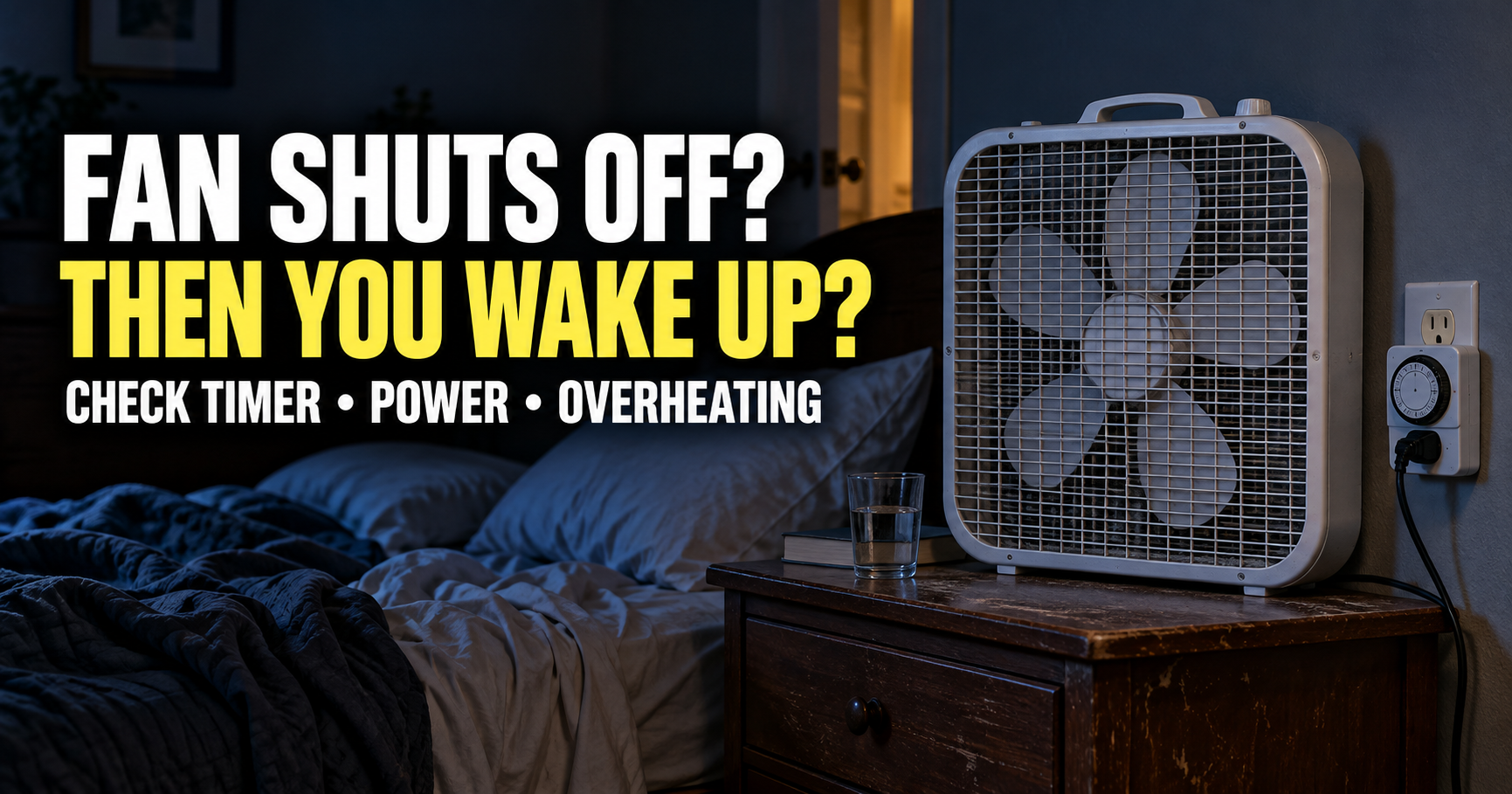
I’d ask what woke me first. If the sudden silence or change in airflow wakes me, the drink might be what I reach for afterward. I’ve looked at that separate sleep interruption in why I wake up when my fan turns off.
When I’d ask for help instead of adjusting the bedroom again
Because waking thirsty happens to me regularly, I wouldn’t wait for a perfect explanation before bringing it up at a routine appointment. I’d be especially direct if the thirst feels stronger than it used to, lasts through the day, or comes with much more frequent urination.
I’d also mention ongoing dry mouth, since it can affect eating, swallowing, and dental health. If I take medications, I’d have the names ready for the appointment rather than changing or stopping them myself.
The details I’d share are plain: “I wake up wanting a drink most nights. Sometimes it happens more than once. Here’s whether my mouth feels dry, whether I’m drinking a little or a lot, and whether I’m thirsty or peeing more during the day.”
That gives someone far more to work with than “I sleep with a fan, so I guess it dries me out.”
What I’m changing at the nightstand
I’m keeping a drink nearby. I know I wake wanting one, and making myself get out of bed for every sip doesn’t answer why it happens.
I would make sure water is the drink that can stay beside the bed overnight, keep milk cold until I want it, and pay attention to whether I’m relieving a dry mouth or trying to satisfy a thirst that keeps coming back.
I’d leave my fan on but aim it away from my face if the direct air seems uncomfortable. Then I’d look at the whole pattern, including what happens during the day. The most useful answer may turn out to be a small change in my bedroom, or it may be a reason to talk with my doctor or dentist.
Nora Whitcomb writes for Sleep Ocean about the nighttime habits and bedroom problems that are easiest to understand when we pay attention to what actually happens.
As an Amazon Associate we earn from qualifying purchases through some links in our articles.