

Why Do I Wake Up Gasping for Air? Causes and When to Worry
Waking up gasping for air is frightening — and it’s almost never random. Here are the real causes, what each one means, and when you need to act fast.
Waking up gasping for air is frightening — and it’s almost never random. Here are the real causes, what each one means, and when you need to act fast.
A fan can do more than move air at bedtime. The right one may provide soothing white noise while improving airflow, making it a practical sleep aid.

Waking up unable to move or speak? Sleep paralysis is terrifying but treatable. Here’s exactly what’s happening in your brain — and how to make it stop.
Alcohol may knock you out, but it suppresses restorative REM sleep, so quitting can bring restless nights, vivid dreams, anxiety, and wake-ups every 30 to 60 minutes. Learn what the first month usually looks like and which habits help your sleep chemistry recover.
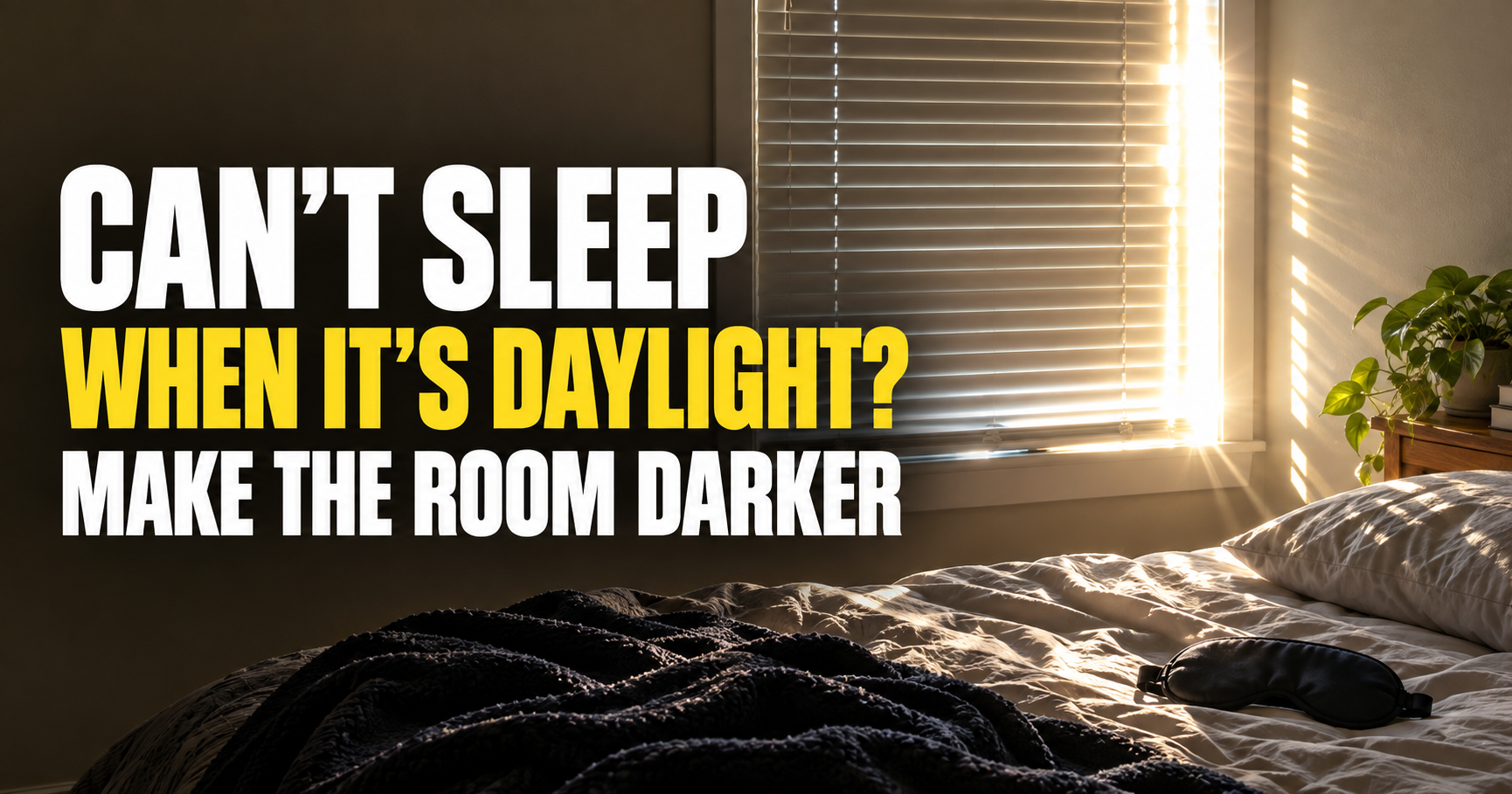
Need to sleep after a night shift? Find the daylight leaks, quiet the room, and protect the hours you have available for sleep.

A creaky floorboard can turn your whole night into a series of rude awakenings. This practical reset combines a real fan for steady noise, blackout curtains, cooler temperatures, and a screen-free wind-down to make a light sleeper’s room work with them.

After months of tossing and turning, I stopped chasing quick fixes and rebuilt my bedroom around sound, darkness, temperature, and a calmer bedtime routine. Here’s what finally helped me sleep better.
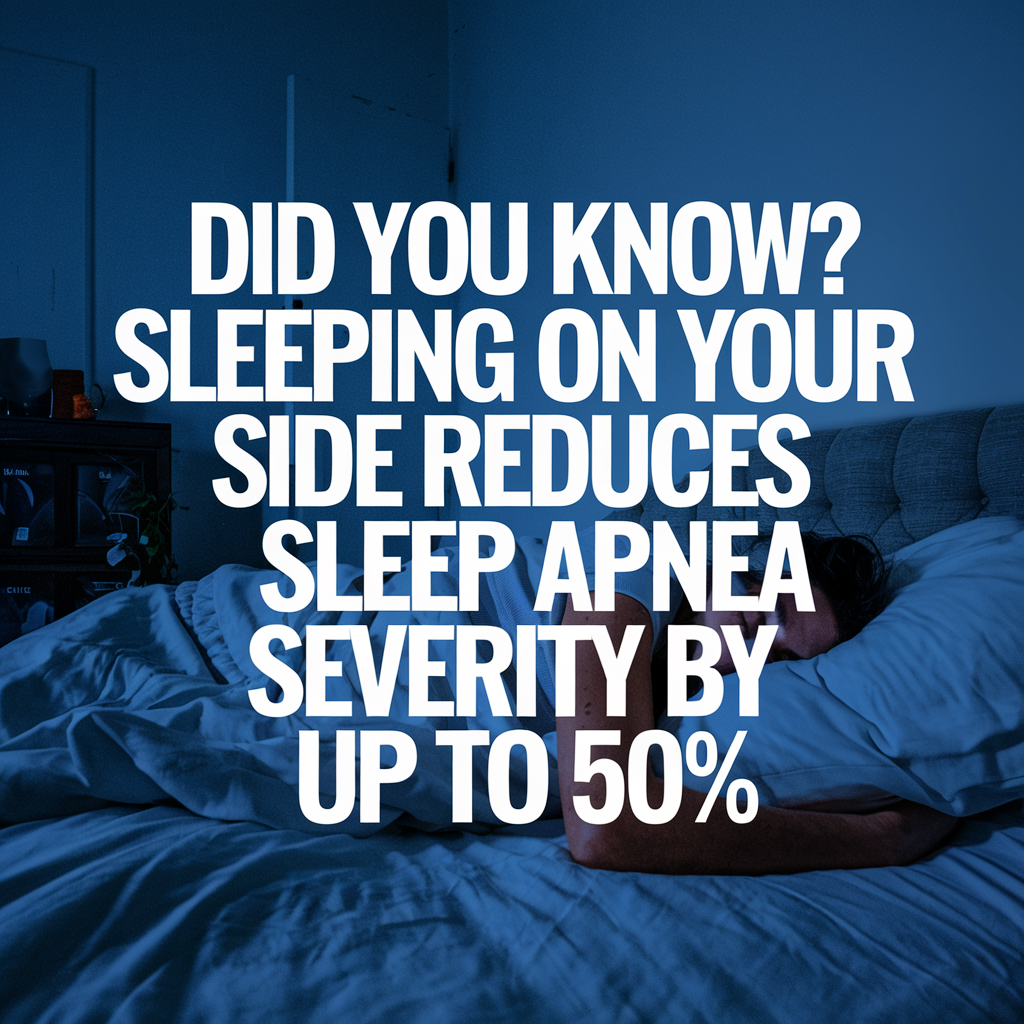
Sleeping on your back can let your tongue and throat tissues fall backward, worsening blocked breathing, snoring, and restless nights. This guide explains why side sleeping, especially on the left, may help, plus practical ways to stay there with pillows or elevation.

Sleeping pills may knock you out without fixing why you cannot sleep. This drug-free approach uses cognitive behavioral therapy, consistent schedules, calmer thoughts, relaxation, and a darker, cooler bedroom to retrain your habits for more dependable rest.

Damp sheets, clammy pillowcases, and a throat tickle made the bedroom feel wrong even with the AC running. A quiet 1600 sq. ft. dehumidifier changed that, helping the air feel lighter and making uninterrupted sleep possible again.
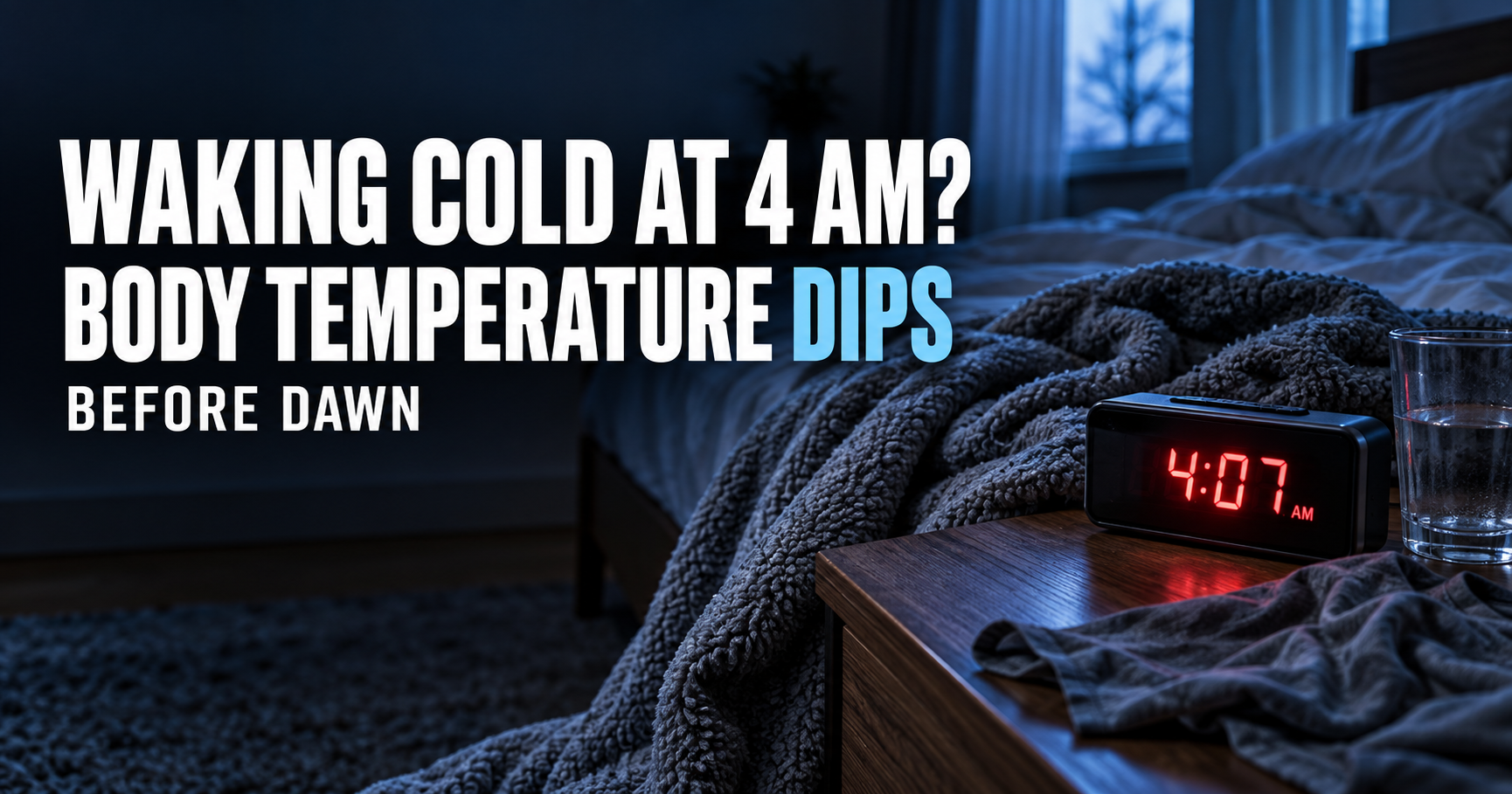
Warm at bedtime but cold before your alarm? Check your room temperature, thermostat schedule, bedding, and airflow to find what changed.
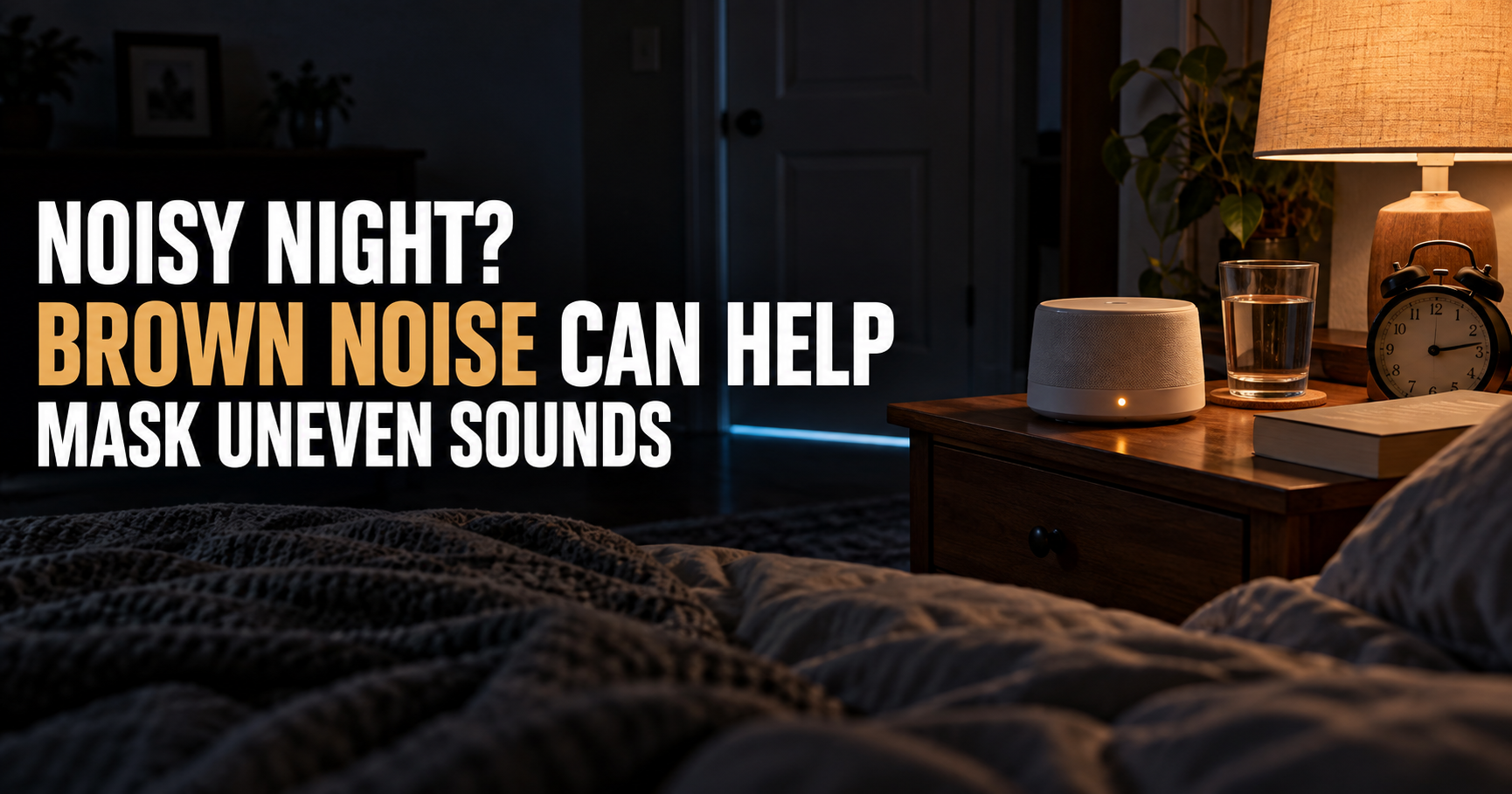
Brown noise may make sudden sounds less noticeable. Here’s when to try it, how loud to play it, and what it cannot cover up.
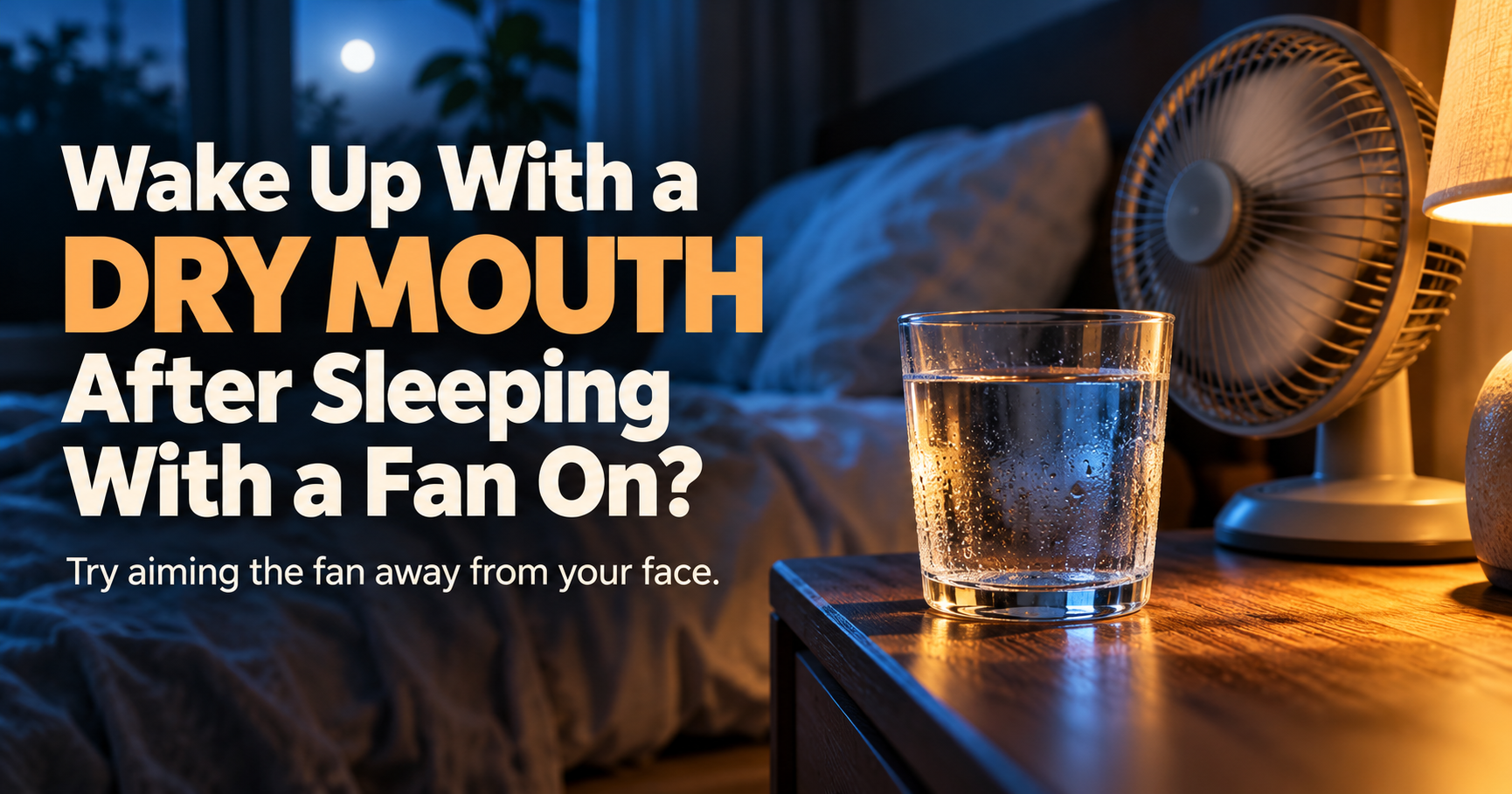
I sleep with a fan every night and keep a drink beside the bed. Here’s how I’d tell whether the airflow, my nose, or something else is drying my mouth.
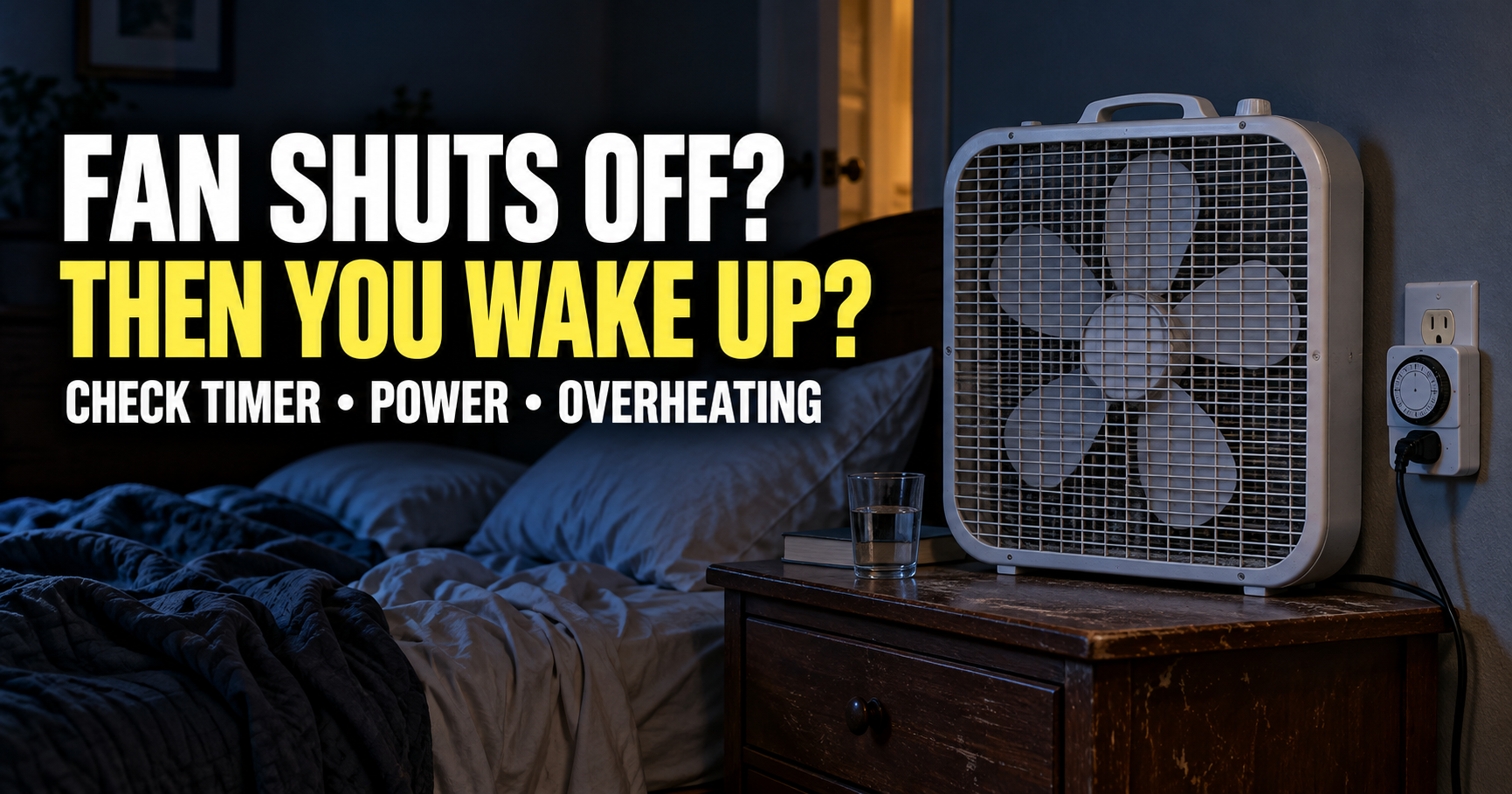
If a fan shutting off wakes you, check whether the change is sound, airflow, heat, or a timer. A simple test can show what you need.
Waking up shaky can be scary. Learn what causes morning body shakes, how to fix them, and when to seek help — from someone who’s been there.
Wake up with dry, gritty eyes? I’d check direct airflow, room air, eyelids, and other morning symptoms before blaming the fan.

Waking up drenched in sweat at night isn’t just uncomfortable — it’s a signal. Here are the most common causes of night sweats and exactly what to do about each one.
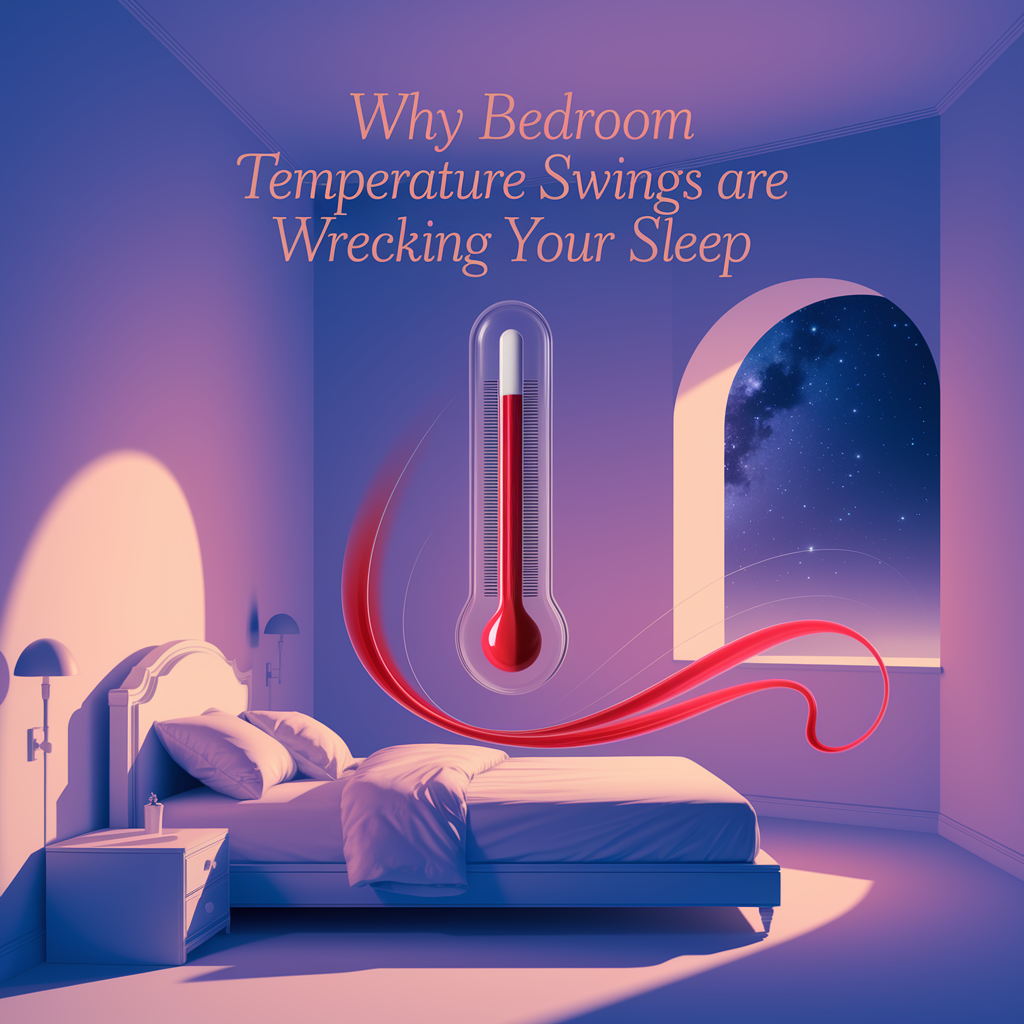
Waking up at 3AM shivering or throwing off the covers may have less to do with stress than your thermostat holding one setting all night. Tracking those swings led to an automated schedule, layered bedding, blackout curtains, and steadier sleep.

Late coffee, a phone beside my pillow, and a bedroom that was too bright had quietly wrecked my nights. A fixed schedule, caffeine cutoff, cooler darkness, screen-free reading, and a calmer routine finally made better sleep feel doable.
A stuffy nose can do more than annoy you at bedtime. Mouth breathing, postnasal drip, snoring, and lying-down congestion can fragment sleep, while dust mites, pets, mold, and nighttime histamine surges keep the cycle going. Practical bedroom and pre-bed fixes can help.
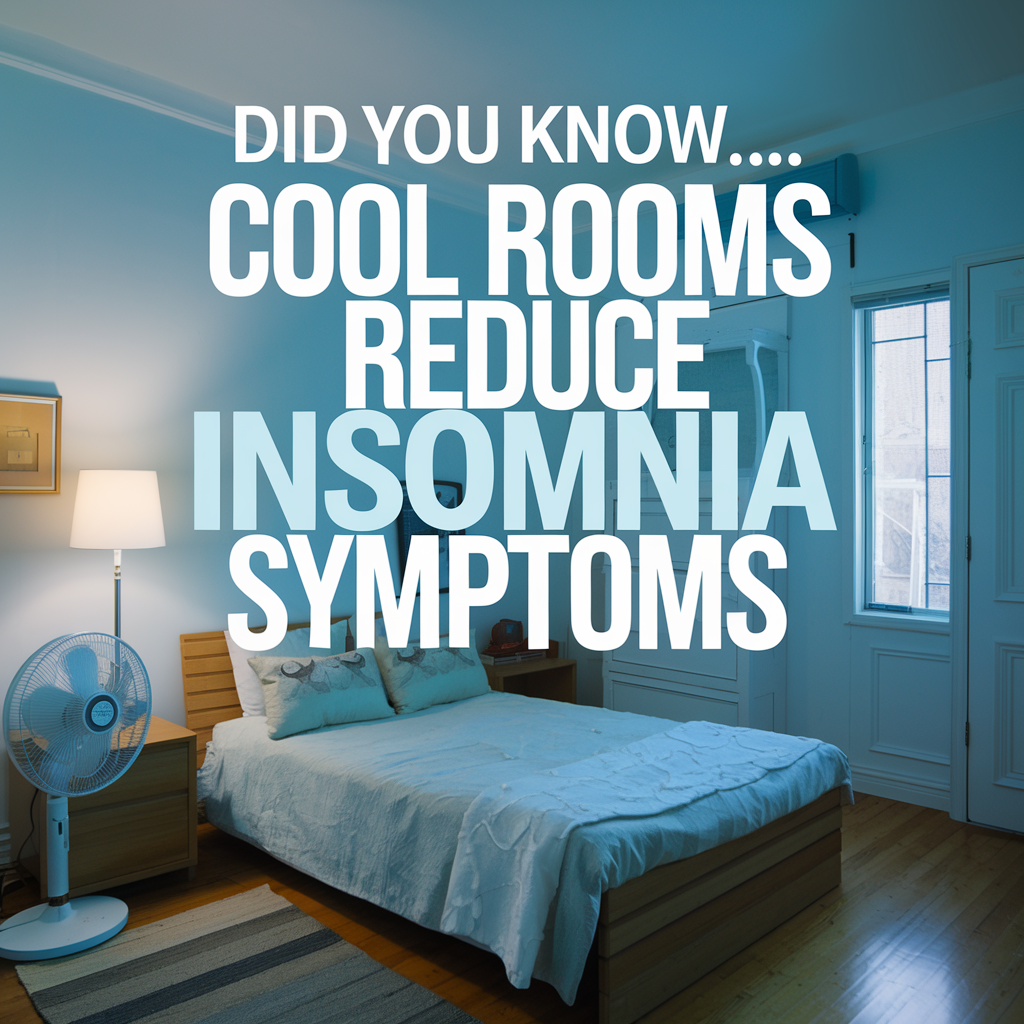
A bedroom that feels slightly chilly may help you stay asleep longer. Cooler temperatures can reduce wakefulness and improve sleep continuity, making room temperature a practical place to start when insomnia keeps interrupting your nights.