Sleep Problems & Help

Did You Know? Cooler Rooms Boost Melatonin Production

A bedroom that feels slightly chilly may help your body produce more melatonin, the hormone that regulates sleep cycles. Lowering the temperature could be a simple way to support better rest when sleep is proving difficult.
Did You Know? Cool Rooms Reduce Insomnia Symptoms

A bedroom that feels slightly chilly may help you stay asleep longer. Cooler temperatures can reduce wakefulness and improve sleep continuity, making room temperature a practical place to start when insomnia keeps interrupting your nights.

Sleep Better with Custom Blackout Curtains That Actually Work

Generic curtains can leave bright slivers around the window, even when the fabric is labeled room darkening. Custom blackout curtains cover those gaps, block streetlights and sunrise, and can also help regulate temperature and soften outside noise for a calmer bedroom.

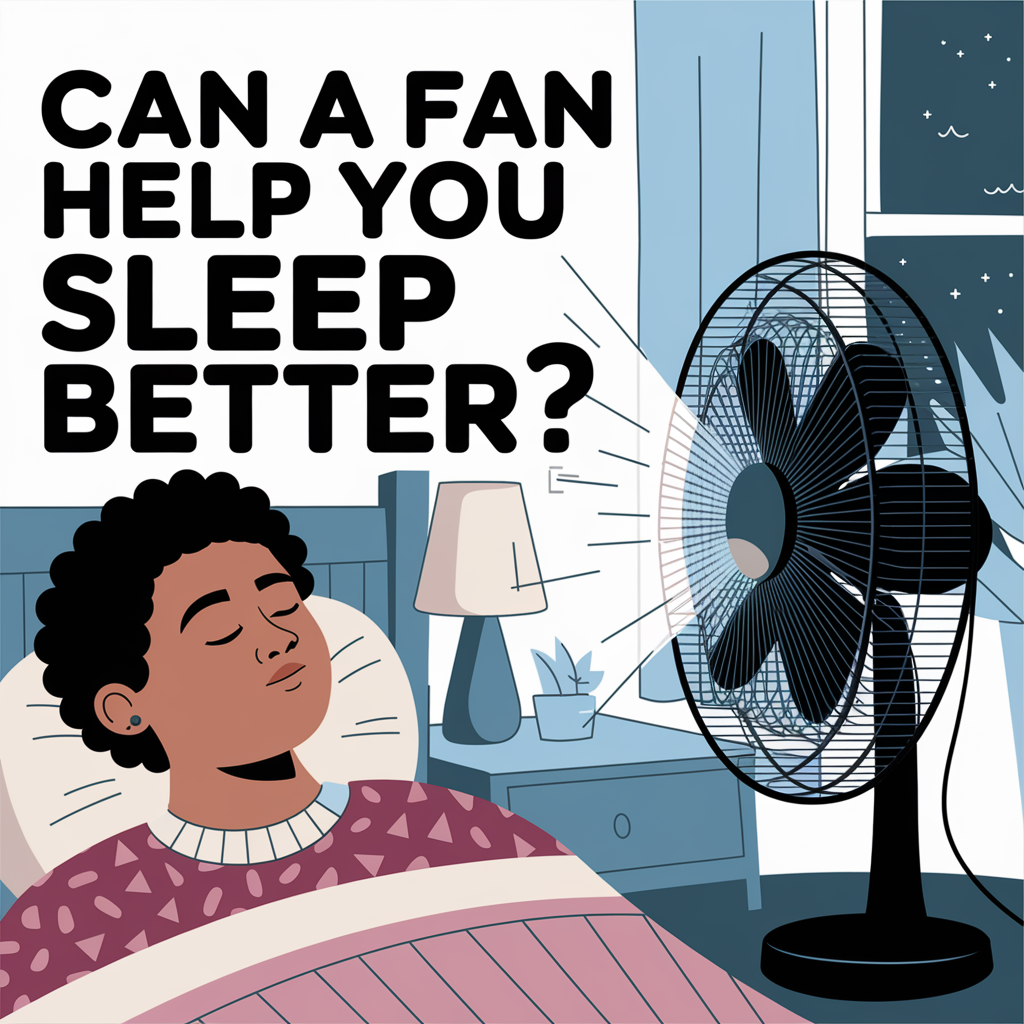
Can A Fan Help Me Sleep Better?

A fan may help turn bedtime into a more soothing experience, making the room feel conducive to restful sleep. The article looks at how that simple nighttime habit can benefit sleep.

The Best Sleep Position to Help Manage Sleep Apnea Naturally

Sleeping on your back can let your tongue and throat tissues fall backward, worsening blocked breathing, snoring, and restless nights. This guide explains why side sleeping, especially on the left, may help, plus practical ways to stay there with pillows or elevation.

Can’t Sleep? A Cold Room Might Be the Secret Fix

Waking up sweaty at 3AM may have less to do with your bedtime routine than your bedroom temperature. A cool 60, 67°F room, layered bedding, blackout curtains, and steady airflow helped turn restless nights into deeper, more consistent sleep.

Can’t Sleep Because of Anxiety at Night? Try This Instead

The fear of not sleeping can become the very thing keeping you awake, even after the stressful season has passed. A one-hour wind-down with journaling, 4-7-8 breathing, dim lights, and a cool, dark room helps retrain bedtime as calm instead of threat.

This WiFi Thermostat Changed How We Sleep and Saved Us Money

A thermostat that changes the temperature at bedtime, 4AM, and morning can do more than stop the midnight thermostat shuffle. After eight years with the Sensi ST55, this setup helped reduce wakeups, keep comfort steady, and trim energy use without sacrificing comfort.

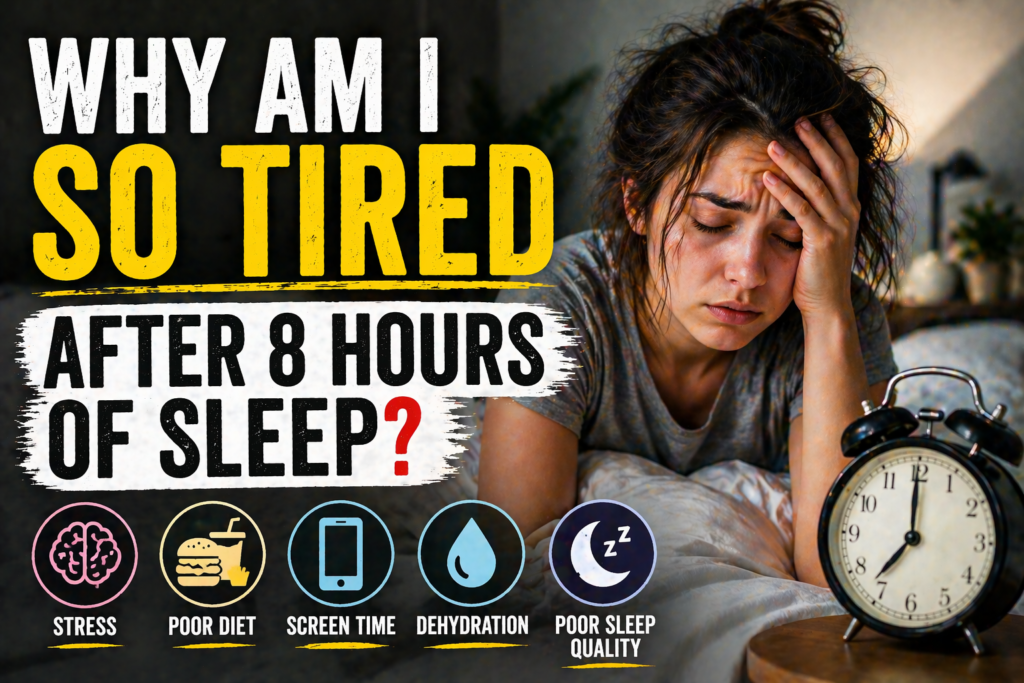
Why Adrenal Fatigue Causes Insomnia and How to Fix It

Exhausted all day but suddenly alert at bedtime? The article connects that wired-but-tired pattern and 3 a.m. wake-ups to disrupted cortisol and blood sugar, then lays out practical steps involving routines, evening stress, bedroom conditions, and a small protein-rich snack.

Still Sleeping With the Lights On? You’ll Want to Read This

That hallway light or glowing charger may be keeping your brain slightly alert, delaying melatonin and fragmenting deep sleep. This practical reset covers blackout curtains, warm evening light, a dim red nightlight, and a gradual way to stop treating total darkness like a personal enemy.

Is Stress Keeping You Awake?

When stress disrupts cortisol rhythms, restful sleep can become elusive rather than simply shorter. The piece examines adrenal fatigue as a possible reason for restless nights and the balance-focused approach it offers for reclaiming more peaceful sleep.

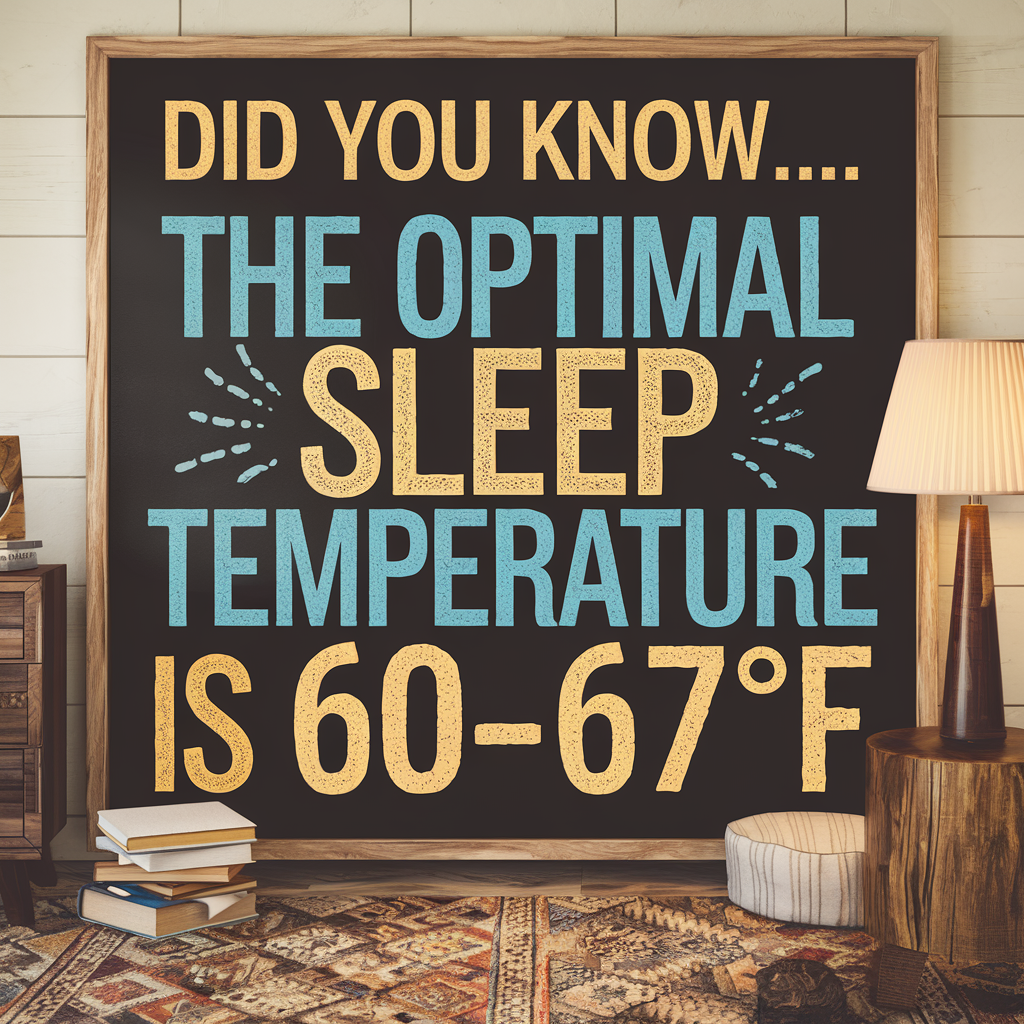
What Is The Best Temperature For Good Sleep?

A bedroom set between 60 and 67°F can help your body relax and prepare for restful sleep, making temperature one of the simplest changes to try when falling asleep feels harder than it should.