
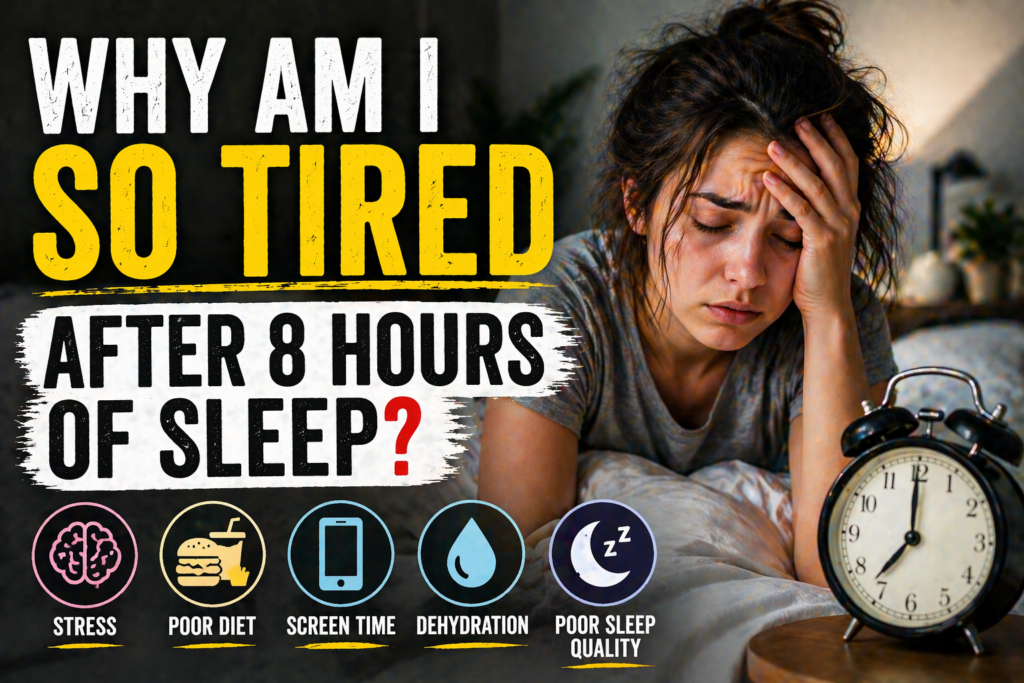
Why Am I So Tired After 8 Hours of Sleep
Getting 8 hours but still waking up exhausted? Here are the real reasons your sleep isn’t restoring you — and what to do about each one.
Getting 8 hours but still waking up exhausted? Here are the real reasons your sleep isn’t restoring you — and what to do about each one.

After months of tossing and turning, I stopped chasing quick fixes and rebuilt my bedroom around sound, darkness, temperature, and a calmer bedtime routine. Here’s what finally helped me sleep better.
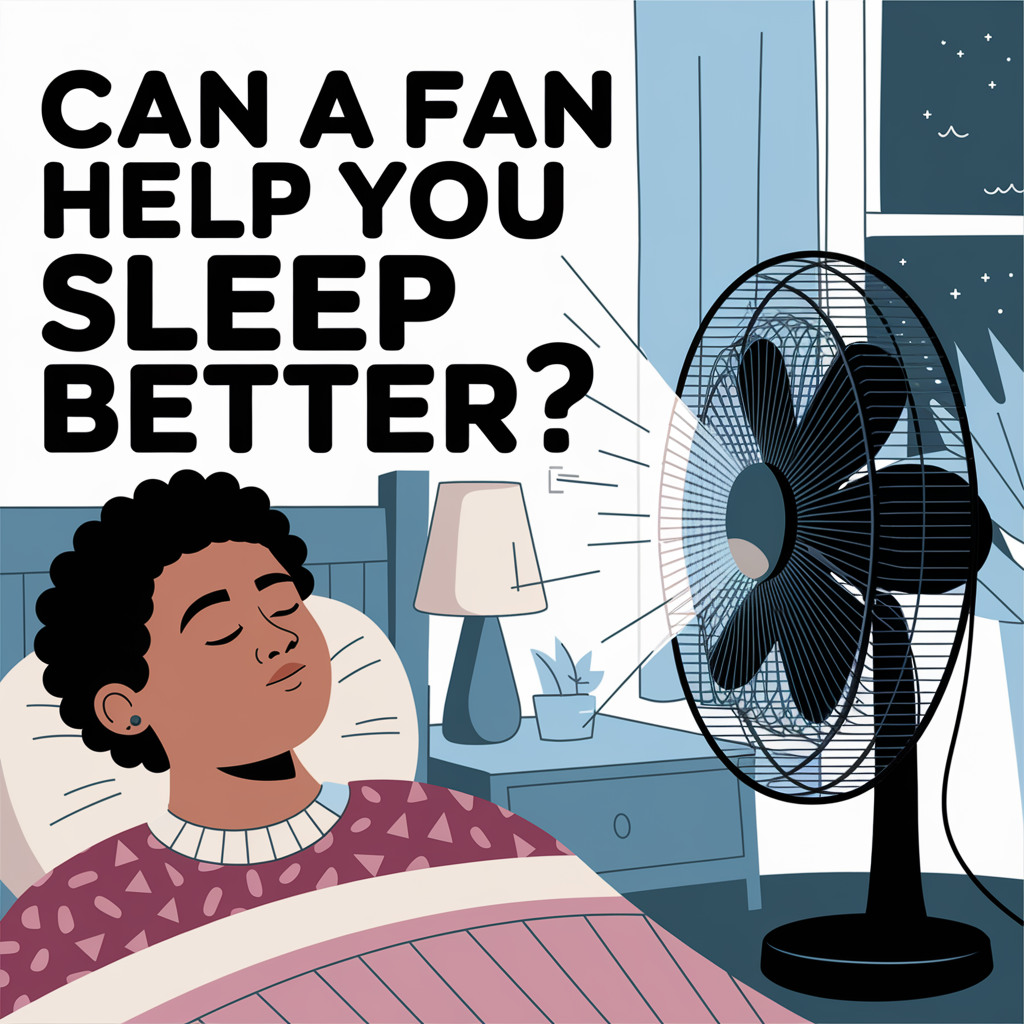
A fan may help turn bedtime into a more soothing experience, making the room feel conducive to restful sleep. The article looks at how that simple nighttime habit can benefit sleep.

A strict bedtime and wake time helped more than chasing a miracle fix, while the wrong pillow can turn sleep into a stiff-necked morning. This guide pairs practical insomnia and restlessness advice with mattress, pillow, and sleep gadget recommendations.
A thermostat that changes the temperature at bedtime, 4AM, and morning can do more than stop the midnight thermostat shuffle. After eight years with the Sensi ST55, this setup helped reduce wakeups, keep comfort steady, and trim energy use without sacrificing comfort.

Waking up with a headache every morning isn’t normal — it’s a signal. Here are the most common causes and exactly what to do about each one.

Waking up stiff, achy, and sore every morning isn’t just bad luck — something specific is causing it. Here’s how to figure out what and actually fix it.
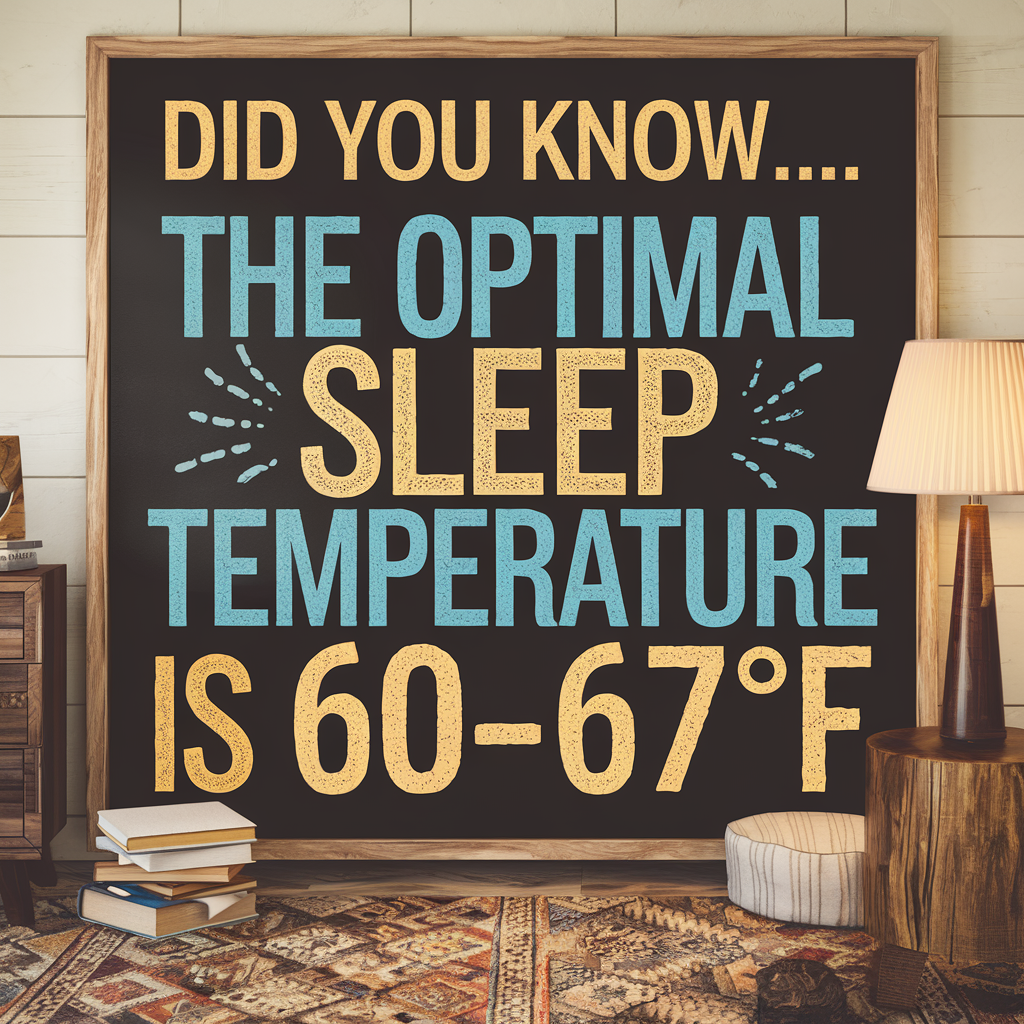
A bedroom set between 60 and 67°F can help your body relax and prepare for restful sleep, making temperature one of the simplest changes to try when falling asleep feels harder than it should.
Waking up sweaty or sticky? Find out why your bedroom feels humid at night and what you can do about it. Simple fixes, smart tools, and real sleep tips that helped me.

A smart WiFi thermostat pulled double duty in our bedroom by keeping nighttime temperatures cooler while trimming $30 from our monthly electric bill. We explain how we made the switch and why the approach works so well.

Breathing pauses during sleep can repeatedly drop oxygen, strain the heart, and raise the risk of high blood pressure, stroke, diabetes, cognitive decline, and sudden cardiac events. Learn which bedtime habits make apnea worse and why a sleep study matters.
Setting the thermostat to 65°F about 30 to 60 minutes before bed may do more for restless sleep than piling on heavier blankets. This practical guide explains the 60 to 67°F range, seasonal adjustments, airflow, breathable bedding, and small temperature tweaks.
Generic curtains can leave bright slivers around the window, even when the fabric is labeled room darkening. Custom blackout curtains cover those gaps, block streetlights and sunrise, and can also help regulate temperature and soften outside noise for a calmer bedroom.
Waking up drenched in sweat at night isn’t just uncomfortable — it’s a signal. Here are the most common causes of night sweats and exactly what to do about each one.

When your mind is racing at bedtime, try four rounds of 4-7-8 breathing, then tense and release muscle groups from your feet upward. The routine slows your breathing, eases physical tension, and gives sleep a better chance within minutes.

A bedroom sitting at 65% humidity can leave you sweaty, foggy, and more exhausted than when you went to bed. Learn how a $10 hygrometer revealed the problem and why keeping the air around 40, 60% may help you sleep and breathe better.

Waking up unable to move or speak? Sleep paralysis is terrifying but treatable. Here’s exactly what’s happening in your brain — and how to make it stop.

Rather than settling for the first fan that moves air, I compared seven and kept the one that helped me fall asleep faster and stay asleep longer. The post explains why it won.
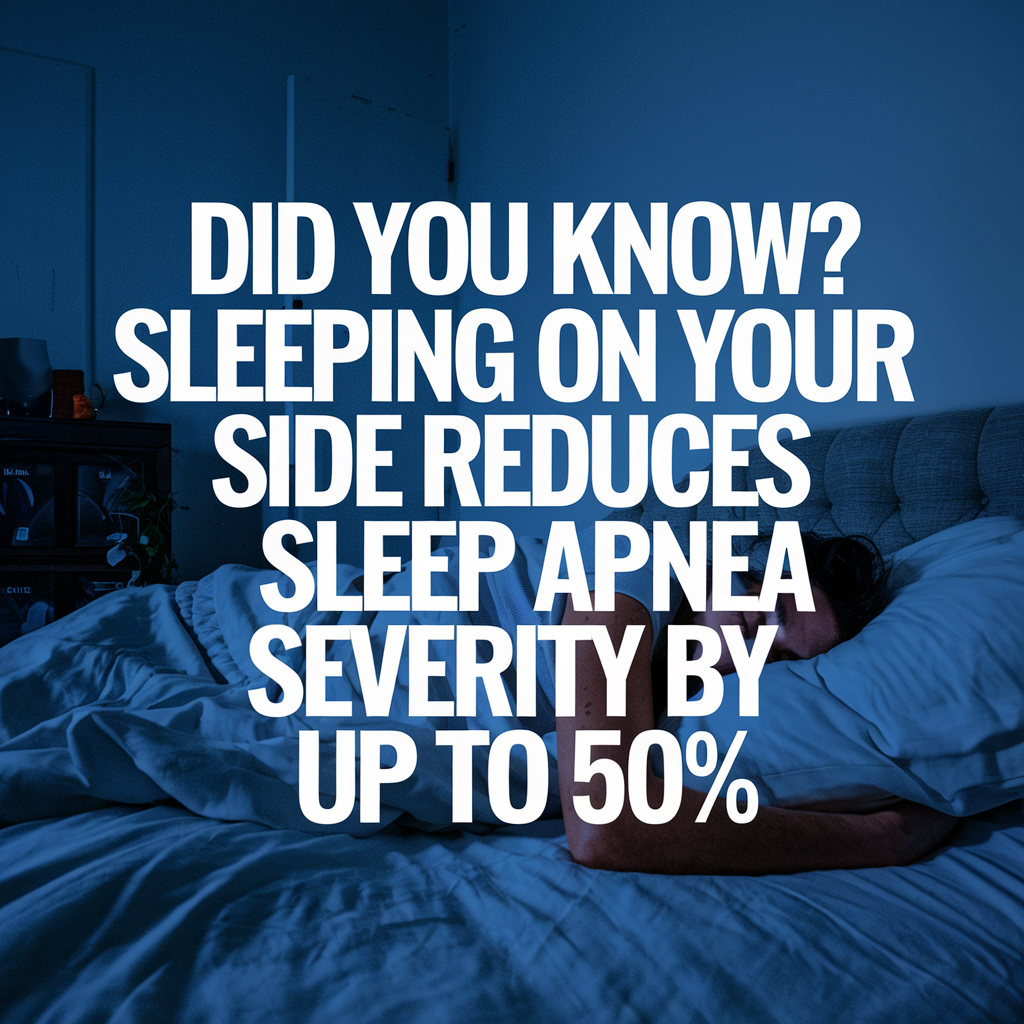
Sleeping on your back can let your tongue and throat tissues fall backward, worsening blocked breathing, snoring, and restless nights. This guide explains why side sleeping, especially on the left, may help, plus practical ways to stay there with pillows or elevation.

Late dinners, alcohol after 8PM, phone scrolling, stray light, and temperature swings all showed up in the author’s 3AM wake-ups. A fan, blackout curtains, a 64, 66°F room, and a simple 12-minute reset finally made those nights rare instead of routine.
The right fan does more than cool the room. Its steady hum helps quiet a busy brain at bedtime, while the wrong models miss the mark. This breakdown explains what makes the difference.