
Sleep Problems & Help

Say Goodnight to Insomnia and Wake Up Refreshed

Sleeping pills may knock you out without fixing why you cannot sleep. This drug-free approach uses cognitive behavioral therapy, consistent schedules, calmer thoughts, relaxation, and a darker, cooler bedroom to retrain your habits for more dependable rest.

Why Bedroom Temperature Swings Are Wrecking Your Sleep

Waking up at 3AM shivering or throwing off the covers may have less to do with stress than your thermostat holding one setting all night. Tracking those swings led to an automated schedule, layered bedding, blackout curtains, and steadier sleep.

Is It Better to Sleep in a Cold Room? This Might Surprise You

A room around 65°F helped me fall asleep faster and stop waking up sweaty, but cranking the thermostat toward Arctic temperatures backfired. The real trick is pairing cool air with breathable bedding, controlled humidity, and layers you can adjust.

Sleeping Hot? Try This Best AC Temperature for Summer Relief

Setting the AC to 60°F left me shivering, while 70°F still had me sweating at 3 a.m. After testing one-degree changes, I found 65°F worked best, with humidity, airflow, and breathable bedding making the difference between cozy sleep and a sticky night.

The Best Fan for Sleeping Noise? I Found the Winner

The Lasko Wind Machine wins because its low, smooth hum blocks traffic, barking dogs, and restless thoughts without sounding shrill. It also delivers strong airflow in a compact floor fan, making it the author’s clear choice for sleeping noise.

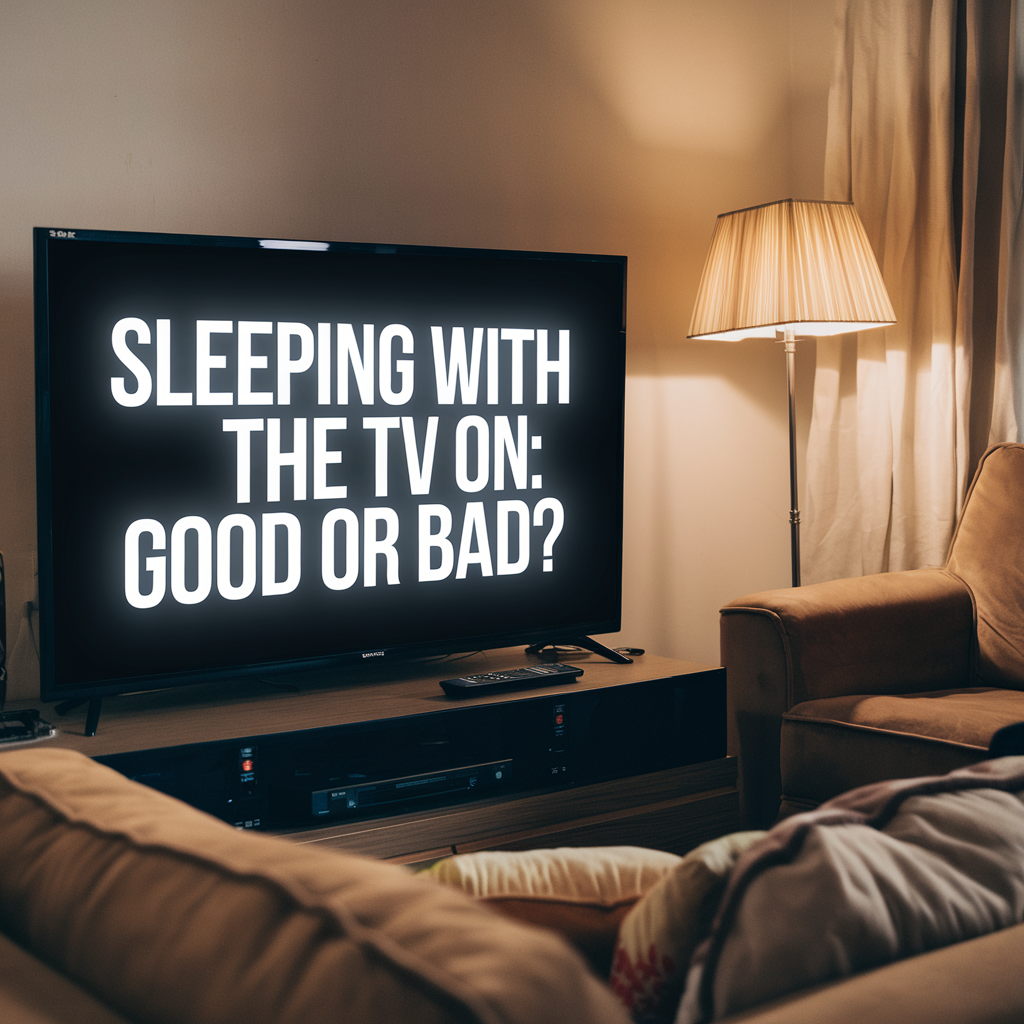
Sleeping With the TV On: Good or Bad for Your Brain?

The TV may help you fall asleep, but its blue light, sudden dialogue, and changing volume can keep your brain partially alert, cut into deep and REM sleep, and leave you foggy. Learn when to switch it off and how to make the habit less

Can a Thermostat Really Improve Sleep?

A WiFi thermostat can do more than keep the room comfortable. By adjusting bedroom temperature for sleep, we found it easier to fall asleep, stay asleep longer, and spend less on heating and cooling.

Did You Know? Cool Rooms Reduce Insomnia Symptoms

A bedroom that feels slightly chilly may help you stay asleep longer. Cooler temperatures can reduce wakefulness and improve sleep continuity, making room temperature a practical place to start when insomnia keeps interrupting your nights.

Can’t Sleep Because of Anxiety at Night? Try This Instead

The fear of not sleeping can become the very thing keeping you awake, even after the stressful season has passed. A one-hour wind-down with journaling, 4-7-8 breathing, dim lights, and a cool, dark room helps retrain bedtime as calm instead of threat.

Did You Know? Cooler Rooms Boost Melatonin Production

A bedroom that feels slightly chilly may help your body produce more melatonin, the hormone that regulates sleep cycles. Lowering the temperature could be a simple way to support better rest when sleep is proving difficult.