
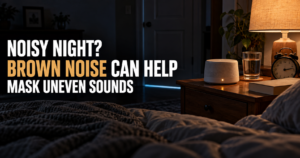
A bedroom can seem quiet until you’re trying to fall asleep. Then the AC clicks off, a car goes by, someone closes a door, and every sound feels louder than it did an hour earlier.
If that sounds familiar, brown noise may be worth trying as a steady background sound. I’d use it to make some changes in the room’s sound less noticeable, especially if I was used to sleeping with a fan. I would not expect it to silence a barking dog, stop a wall from vibrating, or fix a sound loud enough to wake the whole house.
The easiest way to find out whether it helps you is to play it quietly for a few nights and pay attention to the particular noises that usually bother you.
What Brown Noise Sounds Like
Brown noise has a deeper, softer rumble than the bright hiss many people associate with white noise. Depending on the speaker, you might hear it as a distant waterfall, heavy wind, or a steady low roar.
That description is only a comparison. Brown noise is a type of sound signal with more emphasis on lower frequencies. It is not necessarily a recording of rain or ocean waves, and its sound can change noticeably from one phone or speaker to another.
I’d listen for a minute at a comfortable volume before deciding whether to leave it on overnight. If the low rumble feels soothing, keep going. If it reminds you of traffic or an appliance running, there’s no reason to force it just because someone else likes it.
Try Our Eight-Hour Brown Noise Video Here
I made this recording long enough to run through a full night for many sleepers. Start it before bed at a low volume, put the device where its screen will not light up the room, and check whether YouTube playback will continue on the device you plan to use.
You can also listen for 15 to 20 minutes while reading or getting ready for bed. That gives you a chance to find a comfortable volume before you’re trying to sleep.
If the video ends before you normally wake, check your playback settings. I would not turn on autoplay and assume the next video will also be suitable for sleep.

How Brown Noise Might Help With Sounds That Come and Go
A sudden sound stands out more when the room has been very quiet. Steady background sound can make some of those changes less noticeable. The CDC includes a fan or sound machine among the options for camouflaging disruptive bedroom noises.
This is the situation where I’d try brown noise first: the bedroom is mostly quiet, but occasional sounds keep catching your attention. Think a car passing outside, a neighbor’s footsteps, or the sudden silence after the AC stops.
Brown noise will not erase those sounds. You may still hear them. The practical question is whether they stop pulling your attention away from sleep.
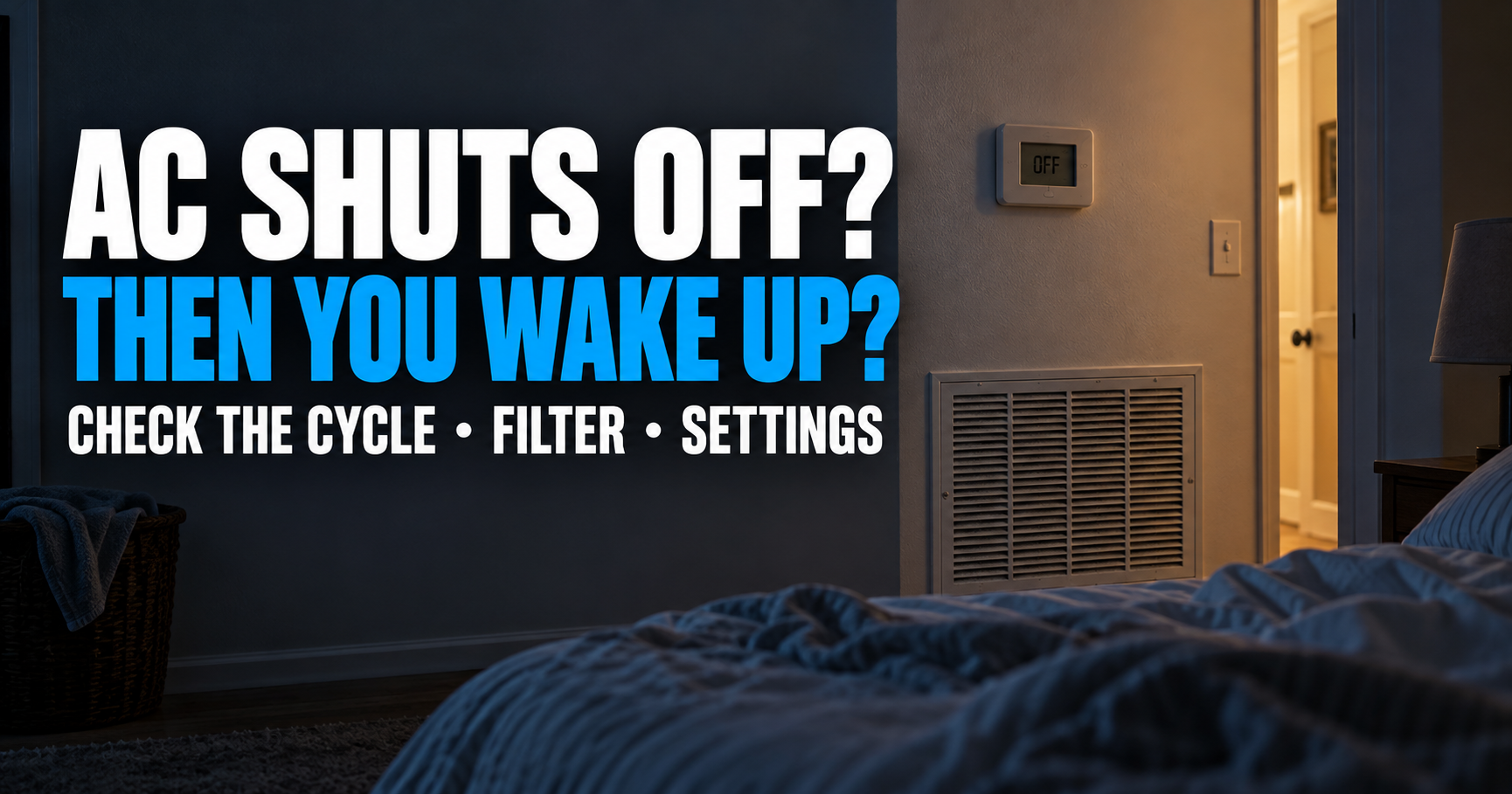
If you tend to wake right when the cooling cycle ends, read what to check when the AC turns off and wakes you. Sound may be part of that pattern, but airflow and room temperature can change at the same moment. A background video can only address the sound part.
Brown Noise Is Not Proven to Give You Deeper Sleep
I’d be careful with claims that brown noise causes deep sleep or works better than every other sound. Research on continuous background noise as a sleep aid has produced mixed results, and reviewers rated the overall evidence for improved sleep as very low quality. Studies focused specifically on brown noise are limited.
That does not mean you cannot find it helpful. It means I would judge it by a modest, real-life result: Do you find it easier to settle down, or do outside sounds bother you less?
I would not judge it by whether a sleep app reports a higher “deep sleep” score after one night. Give your own experience more weight than a big promise attached to a sound color.


Who Might Like Brown Noise More Than a Fan
A fan is useful because it creates a steady sound and moves air. But those two effects are tied together. Sometimes you want the sound and do not want to feel a breeze all night.
Brown noise gives you a way to try the sound by itself. I’d consider it if:
- A fan makes you too cold before morning. You can keep some background sound without air blowing across your bed.
- You dislike a fan’s rattles or speed changes. A recording may sound steadier through the night.
- The fan shuts off unexpectedly. You can test a different sound source while you figure out what is happening.
- You like a lower sound. Brown noise may be more pleasant to your ears than a fan’s sharper hiss.
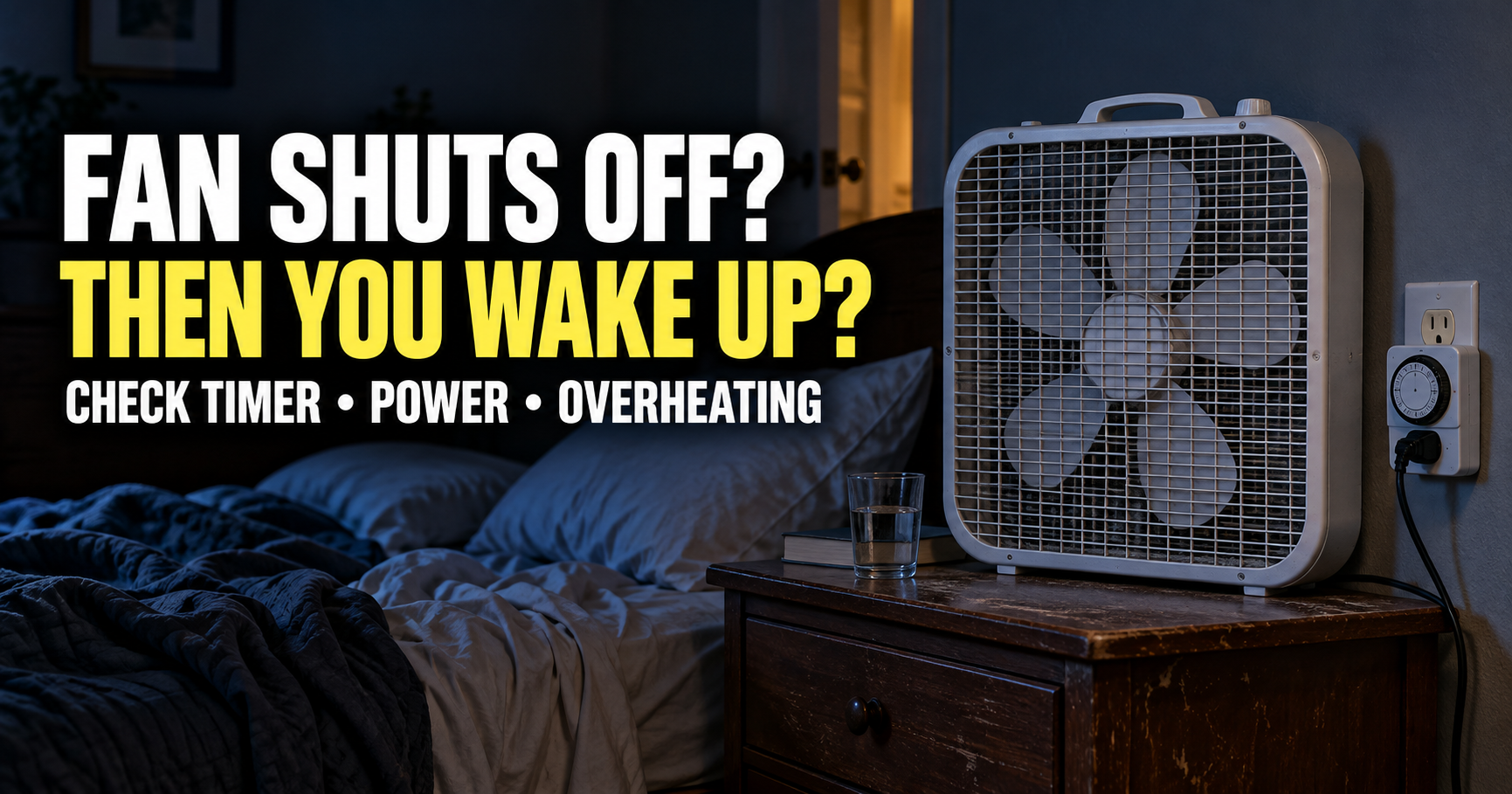
If the moving air is what keeps you comfortable, the video will not replace that. My guide to why you wake up when your fan turns off helps separate the loss of sound from the loss of airflow.
Brown Noise, White Noise, or Rain Sounds?
I would choose by the sound you can comfortably ignore, not by a claim that one color is best for everyone.
Brown noise has a deeper character. Try it if white noise sounds too hissy or sharp to you.
White noise tends to have a brighter hiss. Some people prefer that sound for covering lighter, higher-pitched noises.
Rain sounds have a more familiar setting, but some recordings include noticeable drips, thunder, or changing intensity. If those details catch your attention, a steadier sound may suit you better.
None of those descriptions can tell you what will sound best through your speaker in your bedroom. Play each at the same comfortable loudness for a short time. Then choose the one you stop thinking about.
Sleep Ocean also has other sleep sounds you can listen to if brown noise is not your favorite. I’d use a shorter session to compare sounds before committing to one all night.


Keep the Volume Lower Than You Think You Need
It can be tempting to raise the volume until you can barely hear the neighbor or traffic. I would start much lower. The background sound should be comfortable and easy to ignore from your pillow, not the loudest sound in the room.
Try placing the speaker somewhere between your bed and the unwanted noise, then adjust it while you’re lying in your usual sleeping position. If you have to make brown noise loud to compete with a particular sound, address that sound directly where possible instead of continuing to turn the volume up.
Long exposure to loud sound can harm hearing. The volume matters even when the sound itself seems gentle or relaxing.
I would also avoid sleeping with earbuds in just to keep the sound close to my ears. A speaker at a comfortable distance makes it easier to keep the volume modest and avoids having earbuds pressed against your ears all night.
Set Up the Video Without Adding Light to the Room
If you play brown noise from a phone, tablet, or TV, the screen may become a bigger sleep problem than the sound solves.
I’d set up the video before turning out the lights. Dim or turn off the display if your device allows audio to keep playing, disable notifications that might light it up, and make sure the charger and speaker will keep working through the night. If you use a TV, check whether it has a screen-off setting while audio continues.
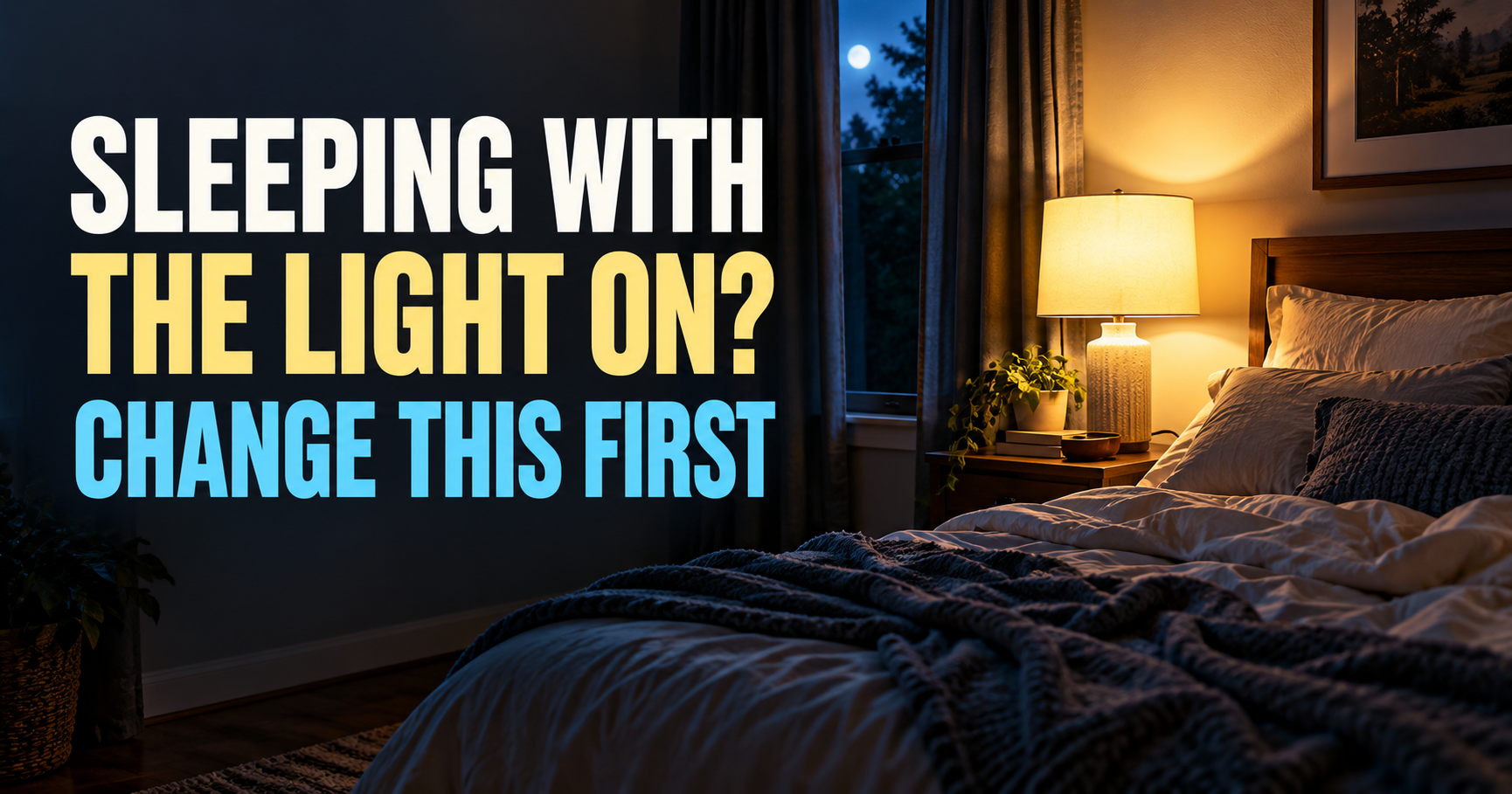
If you need the screen visible for playback, keep it out of your direct line of sight and avoid a bright moving picture. Light coming from a screen is especially noticeable when you’ve made the rest of the bedroom dark. I cover other light sources in what to change when you sleep with the lights on.
Before relying on the video overnight, test it while you’re awake. Watch for ads, interruptions, a device that locks and stops playback, or audio that changes volume. Playback can vary with your device and YouTube settings.

Give It a Fair Three-Night Test
I’d keep the experiment small:
- Night one: Play the video quietly and notice whether the sound itself bothers you.
- Night two: Keep the same volume and note whether the noises that usually catch your attention seem less disruptive.
- Night three: Move the speaker or make one small volume adjustment if needed.
Pay attention to what happens when you wake, too. Did a real-world noise wake you? Did the video stop? Did you wake cold because you turned off your fan? Those answers tell you whether brown noise fits the problem you’re trying to solve.
If it helps, you have a simple addition to your sleep setup. If it does nothing, that is useful information as well. You can spend your effort on the actual source of the interruption.
When Brown Noise Probably Will Not Solve the Problem
I would not count on a recording for loud bass that shakes the room, repeated banging right outside the window, or a TV you can clearly understand through the wall. Background sound may make some noise less noticeable, but it cannot soundproof a bedroom.
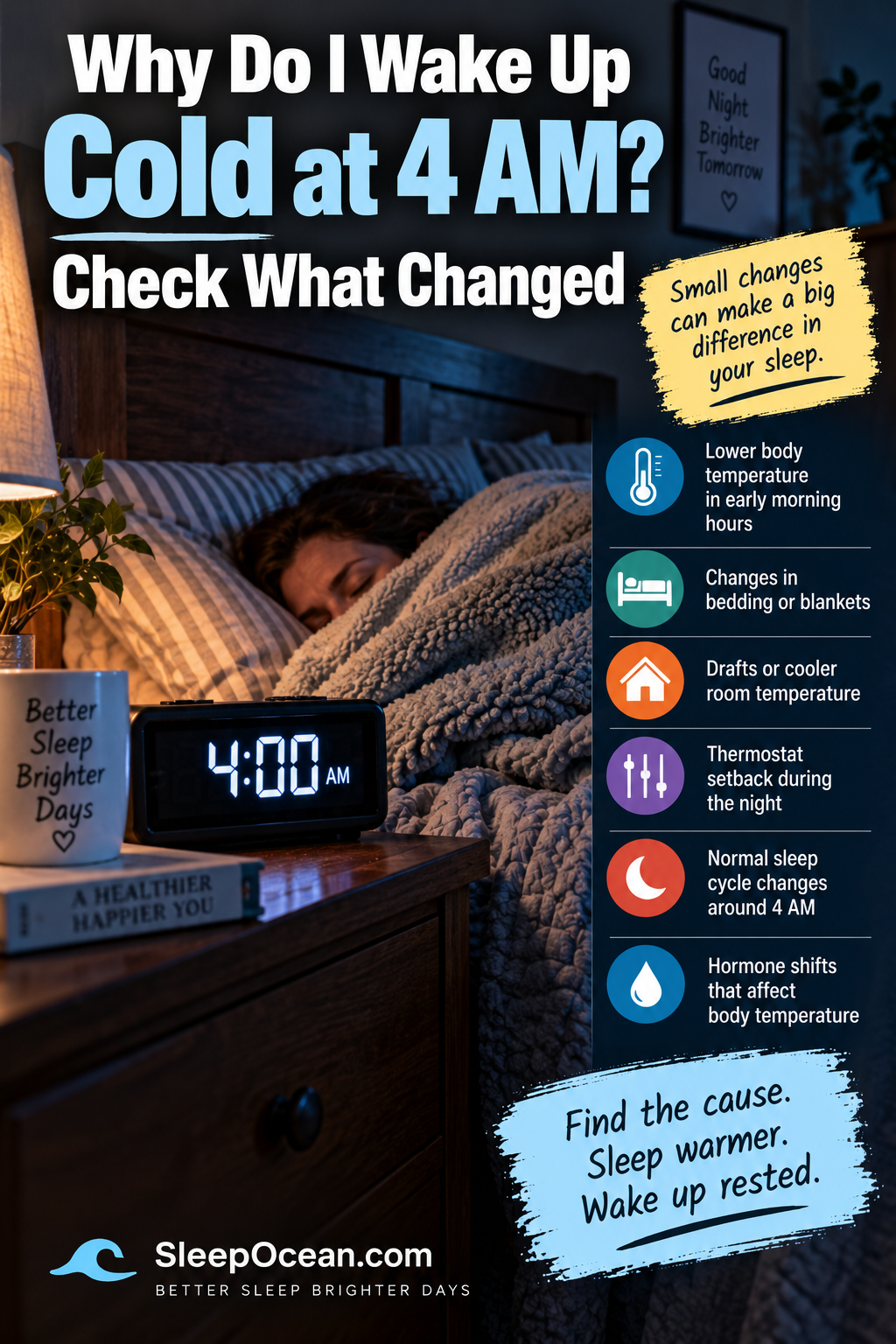
It also will not fix a room that becomes hot when the AC shuts off or cold before morning. If the timing points to temperature, the 4 a.m. cold wake-up checklist is more relevant than changing your sleep sound.
And if you sleep best in silence, I would respect that. Adding a steady sound to a quiet bedroom may give you one more thing to notice.
Common Questions About Brown Noise at Night
Should I leave brown noise on all night?
You can try it if the sound is comfortable at a modest volume and your playback setup works reliably. If you only need help settling in, try playing it for part of the night instead. Compare which setup leaves you feeling more rested.
Is brown noise better than white noise for sleep?
There is not strong evidence that brown noise is universally better. The deeper sound may simply be more pleasant to you. Try both at comfortable volumes and pay attention to which one you can ignore.
Will brown noise block snoring?
It may make mild snoring less noticeable to some listeners, but it will not reliably cover loud snoring. If someone’s snoring includes choking, gasping, or pauses in breathing, a background sound is not a substitute for medical evaluation.
Can I use brown noise for a child’s bedroom?
Keep any sound at a low, comfortable level and place the speaker away from the child’s head. I would be especially careful about volume and overnight playback for babies and young children, rather than copying an adult’s setup.
Why do I still hear noises with brown noise playing?
Brown noise changes the background; it does not cancel every sound. A sharp bang, a voice close to the room, or low bass through a wall can still stand out. If you must play the video uncomfortably loud to cover something, work on that noise source instead.
About Nora Whitcomb: Nora writes practical sleep guides for Sleep Ocean, helping readers match a specific nighttime disruption with a change they can actually test at home.
As an Amazon Associate we earn from qualifying purchases through some links in our articles.