
You go to bed feeling fine. Hours later, you wake up cold, pull the blanket tighter, and look at the clock. It’s 4:12 a.m. Again.
When this keeps happening, I’d start with one question: Did the room get colder, or did you get colder under the covers? That difference tells you where to look. A thermostat schedule, draft, or AC cycle can change the room. A blanket that shifted off your shoulders can leave you cold even when the room temperature barely moved.
You don’t need to figure it out while you’re half asleep. A thermometer by the bed and one small change the next night can usually give you a better clue.
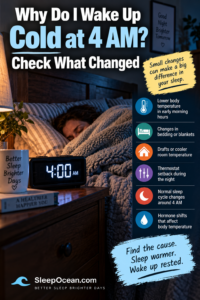
Check the Temperature When You Wake Up Cold
Put a simple room thermometer near your bed, away from the window and heating or cooling vent. Note its reading before you go to sleep. If you wake up cold, glance at it before changing the thermostat or getting out of bed.
I’d write down the bedtime and wake-up readings for two or three nights. You don’t need a detailed sleep log. Something this short will do:
- Bedtime: Bedroom temperature, thermostat setting, and the covers you used.
- When you woke up cold: Bedroom temperature and whether the heat or AC was running.
- Where you felt cold: Your whole body, exposed shoulders, feet, or the side nearest a window.
If the room is several degrees cooler when you wake, investigate what happened to the air. If the reading is nearly the same, look more closely at bedding, airflow across the bed, and whether part of you ended up uncovered.
That is the first test I’d do tonight. It takes less effort than changing every thermostat setting and blanket at once.

Check the Thermostat Schedule Before You Change the Temperature
A scheduled temperature change is easy to forget, especially if someone set it months ago or a smart thermostat has separate weekday and weekend programs.
Look at the actual schedule, not just the temperature displayed right now. Check for an overnight change, an early morning change, and any setting that starts before you normally wake. A programmable thermostat can adjust your home’s temperature automatically according to its schedule.
The direction of the change matters:
- In winter, a lower overnight heating setting may let the bedroom cool enough to wake you before the heat comes back on.
- In summer, a lower cooling setting may make a room that felt good at bedtime too cold hours later.
- On either type of night, a fan that keeps running can make exposed skin feel chilly after the heating or cooling cycle ends.
If you find a schedule change near the time you wake, adjust that one setting and give it a night or two. I’d avoid making a large change based on one uncomfortable night, especially if someone else in the house sleeps well at the current setting.
If your room temperature rises and falls as the equipment runs, the pattern may be closer to bedroom temperature swings that interrupt sleep than a single 4 a.m. problem.


Feel for Air Moving Across the Bed
You can be comfortable when you fall asleep and cold later if air keeps blowing across one exposed spot. I’d pay attention to where the chill starts.
Does your face or shoulder feel cold on the side facing a vent? Are your feet cold because a fan points at the foot of the bed? Does the chill disappear when you turn away from a window?
Try one small adjustment:
- Aim a fan away from your body for one night while keeping its sound.
- Move the bed covers so your shoulders stay covered.
- Close and latch the window, then check whether you still feel moving air nearby.
- Move a thermometer away from the draft and compare it with a reading near the bed.
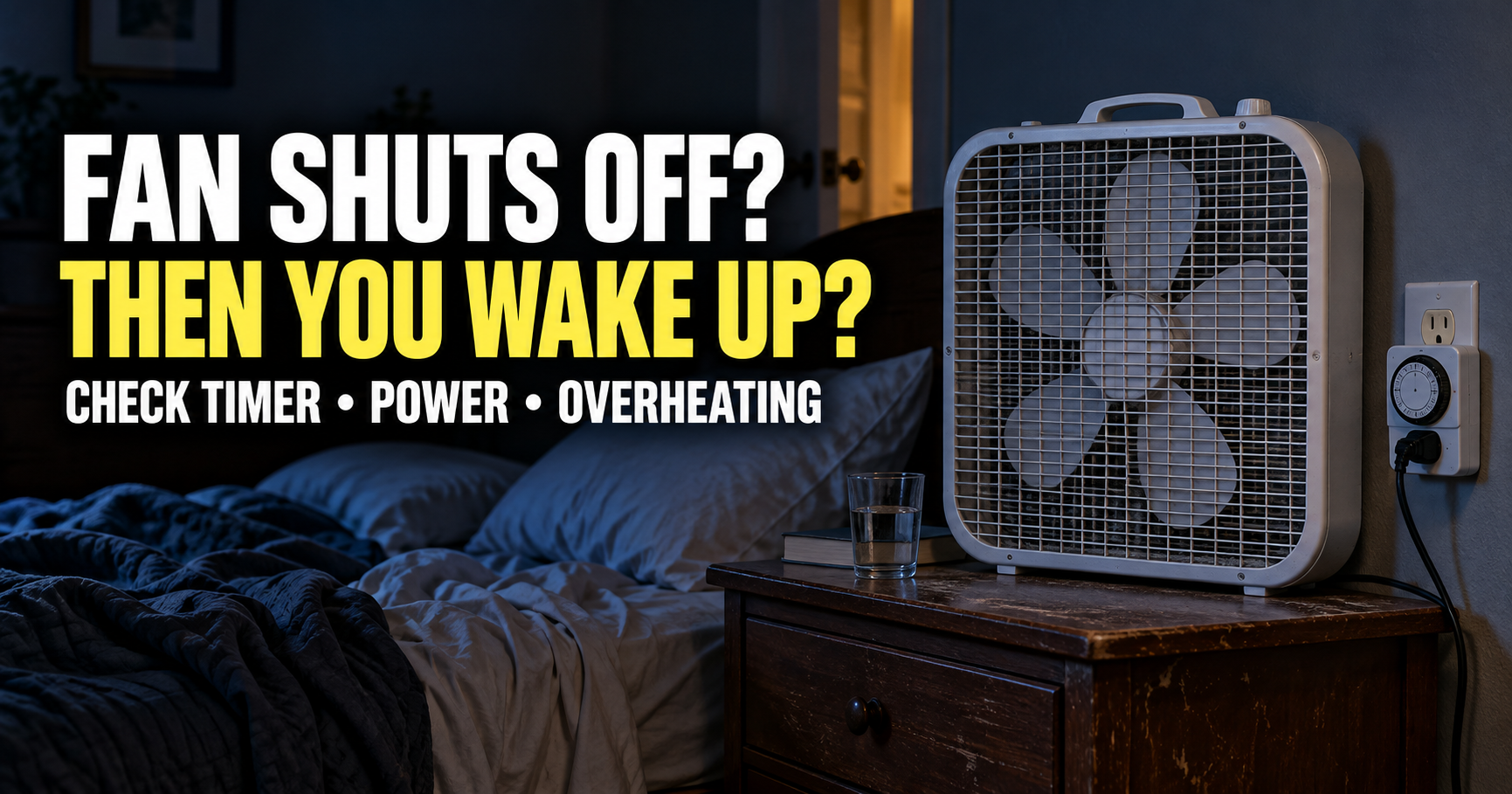
A fan can help you fall asleep when the room is warm, then feel less comfortable as the night goes on. If the fan also turns off unexpectedly, waking when your fan turns off covers a different clue: a sudden loss of sound or airflow at the moment you wake.
I wouldn’t tape over a heating or cooling vent to solve a draft. If the vent blows directly on your pillow, first see whether its direction can be adjusted without blocking it.
See Whether Your Covers Are Staying Put
This sounds almost too simple, but I’d check it before buying warmer bedding. You may start the night tucked in and wake with the comforter down around your waist.
When you wake cold, notice what is uncovered before you pull everything back into place. Shoulders, arms, and feet are useful clues. If you share the bed, see whether one person has most of the blanket by morning.
A warmer comforter can solve the cold spell and create a new problem at bedtime. Instead, I’d try bedding I can adjust without getting fully awake: a lighter main blanket with another layer within reach, or separate covers for two sleepers.
If your feet are the only cold part, socks may be a simpler test than heating the entire room. If you wake chilly and damp, change out of wet sleepwear and pay attention to whether you were hot or sweating earlier in the night. That pattern deserves a different look than dry, cold air.
The goal is to match the layer to what actually gets cold. A room thermometer helps you avoid blaming the thermostat for a blanket problem.


Compare Bedtime Comfort With Early Morning Comfort
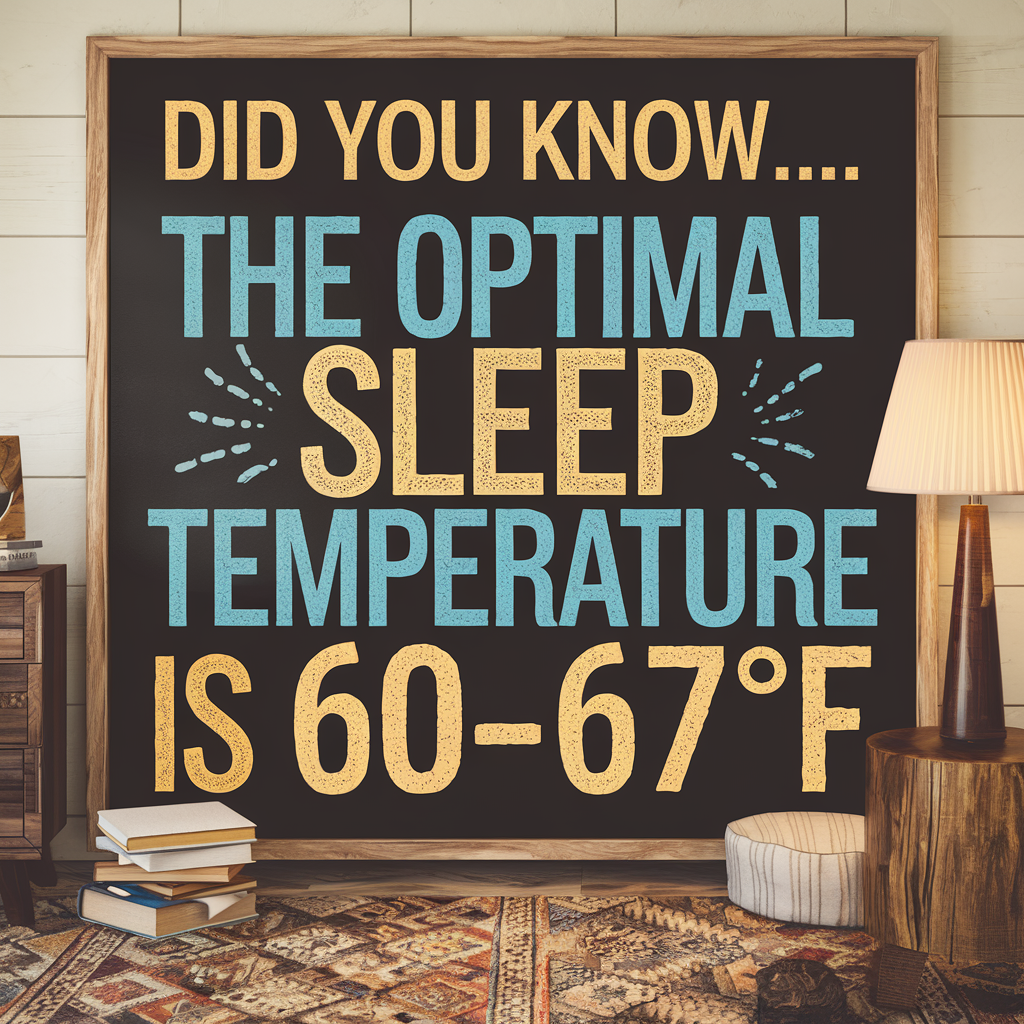
“Keep your bedroom cool” is useful advice, but it does not mean you should lie awake shivering. The CDC recommends a cool, comfortable sleep environment and notes that people have different temperature preferences.
I’d be cautious with a temperature number you found online if you consistently wake cold at that setting. The useful setting is one that lets you fall asleep and stay comfortable through the night.
There’s also a reason the timing may feel familiar. Body temperature follows a daily rhythm, with its low point generally occurring before a person’s natural wake time. That does not prove your body temperature is the cause of your 4 a.m. wake-up. It does mean that a room or blanket that feels comfortable at bedtime might feel less forgiving later.
I’d still check the room temperature first. It’s something you can measure, and it can reveal a thermostat change or a chilly bedroom you had not noticed.
If Your Bedroom Is Colder Than the Hallway
Walk into the hallway when you wake cold, if you can do it without turning on bright lights. Is the rest of the house also cold, or is the bedroom the problem?
A bedroom that is colder than the hallway may need a room-by-room airflow check. Make sure furniture, curtains, and rugs are not blocking a vent. Notice whether the room feels different with the door open. Look for a window that was left slightly open or a draft you feel only near the bed.
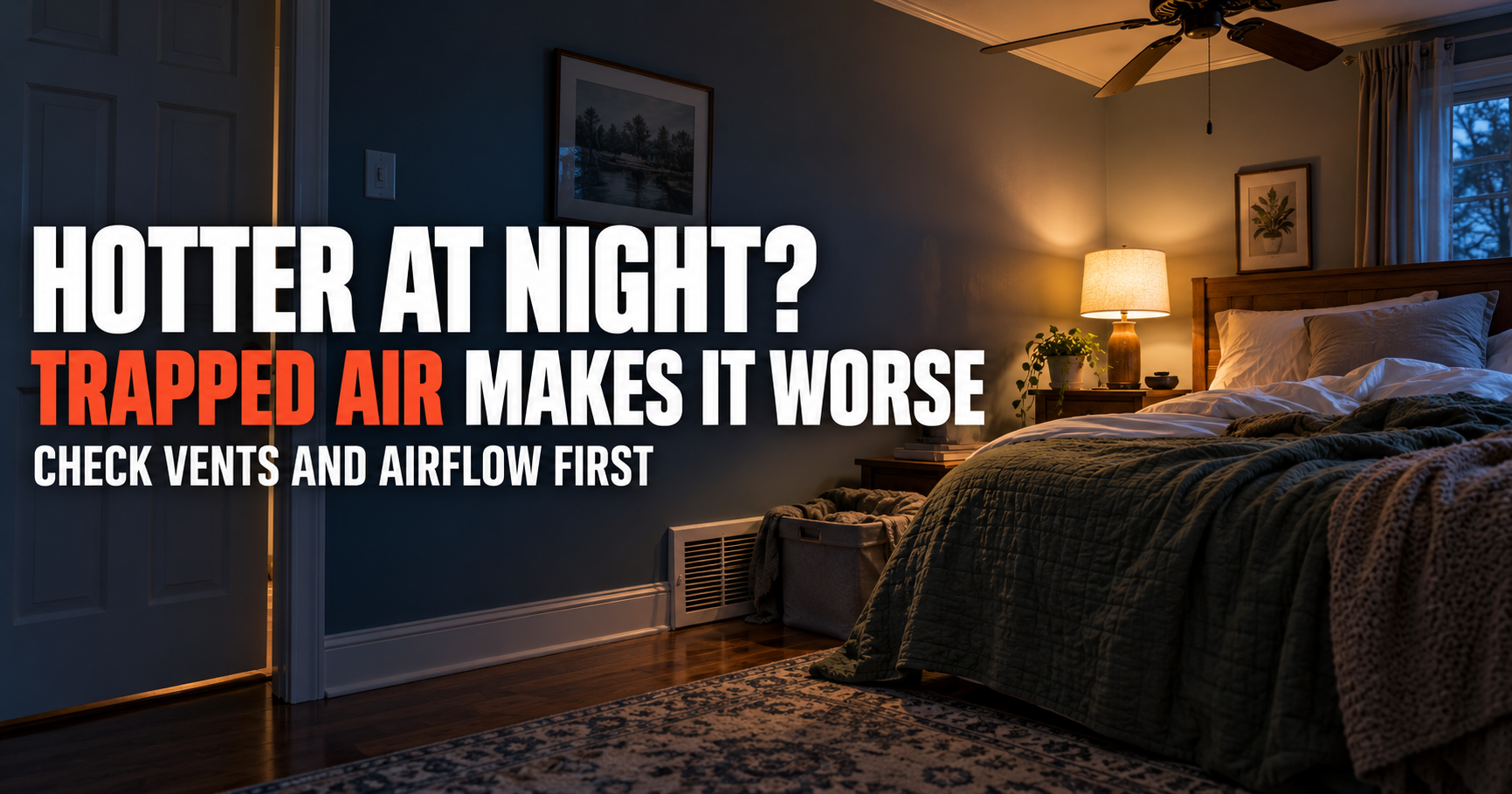
The same room-comparison method I used for a bedroom hotter than the rest of the house works in reverse: take readings in both places at bedtime and when you wake. That tells you whether your bedroom changes more than the rest of the house.
If the gap is persistent, an HVAC or home energy professional can check airflow, ductwork, and insulation. A thermostat in the hallway cannot show you what is happening beside your bed.
If You Wake Cold and Sweaty
Waking up cold and sweaty is different from waking in a cool, dry room. Damp sheets or sleepwear can leave you feeling chilled after you have been too warm.
First, notice whether this happens after you start the night under heavy covers or in a warm room. Try a lighter layer and keep track of whether you still wake damp. Do not assume every episode is caused by bedding or temperature, though.
If night sweats keep happening, are drenching, or come with other symptoms, discuss them with a healthcare professional. Sleep environment changes can improve comfort, but they cannot tell you why repeated sweating is happening.
What I Would Change Over the Next Three Nights
If I wanted an answer without turning bedtime into an experiment with ten variables, I’d use this order:
- Night one: Measure. Check the bedroom temperature at bedtime and when you wake cold. Leave your usual settings and bedding alone.
- Night two: Address the strongest clue. If the room got colder, inspect the thermostat schedule. If the room stayed steady but your shoulders were uncovered, change the covers instead.
- Night three: Compare. Repeat the reading and see whether you woke at the same time or felt more comfortable.
If you sleep well after one change, you can stop there. If the readings show the room dropping but you cannot find a schedule or obvious draft, those notes will also make a conversation with an HVAC technician more useful.

Common Questions About Waking Up Cold
Why do I wake up freezing around 4 a.m.?
The room may have cooled, your covers may have shifted, or air may be blowing across your bed. The repeated time is a clue, particularly if a thermostat schedule changes around then. Compare the bedroom temperature at bedtime and when you wake before choosing a fix.
Can I be cold even if the thermostat says the same temperature?
Yes. The thermostat measures its own location, which may be warmer than your bedroom. You might also feel cold because part of you is uncovered or a fan blows across your skin. A thermometer beside the bed helps separate those possibilities.
Should I turn the heat up before bed?
I’d first find out whether the bedroom actually gets colder overnight. If it does, checking the schedule or the room’s airflow may work better than making the entire house warmer at bedtime. If the room temperature stays steady, try a bedding change first.
Is it normal to prefer a cool room but still wake up cold?
Yes. Cool enough to fall asleep and comfortable enough to stay asleep can require different bedding or a small schedule adjustment. You do not have to force yourself to sleep at a temperature that repeatedly wakes you.
What if I keep waking up at the same time even after fixing the cold?
The cold may have been one part of the pattern, or you may be noticing it because you are already awake. Keep track of whether light, noise, or equipment turning off happens at the same time. If morning light reaches your bed before your alarm, why sunlight wakes you up early is another place to check.
About Nora Whitcomb: Nora writes practical sleep guides for Sleep Ocean, starting with the small details readers can check in their own bedrooms. She focuses on clear observations and useful next steps without promising that one temperature works for everyone.
As an Amazon Associate we earn from qualifying purchases through some links in our articles.