Waking up gasping for air is frightening — and it’s almost never random. Here are the real causes, what each one means, and when you need to act fast.
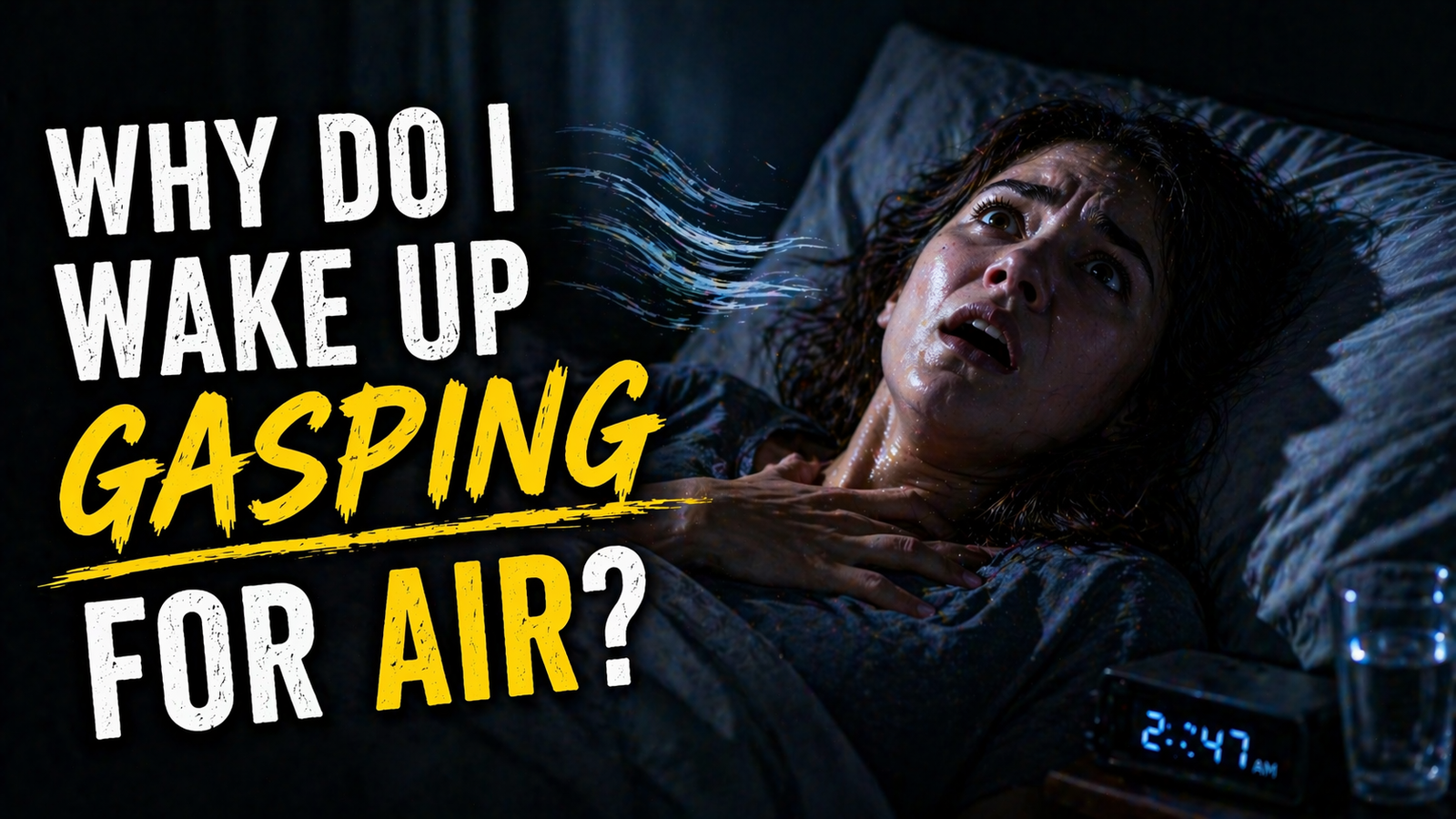
Waking Up Gasping for Air — This Is What’s Actually Happening
You wake up suddenly — sometimes with a jolt, sometimes with a choking sensation, sometimes just with the desperate need to pull in a breath. Your heart is pounding. It takes a few seconds to orient yourself. Then gradually things settle, and you’re left lying there wondering what just happened.
Waking up gasping for air is one of the more frightening sleep experiences a person can have. The good news is that it’s almost never random — there’s always a specific mechanism driving it. The less-good news is that some of those mechanisms are serious and need attention.
This guide covers every major cause of waking up gasping during sleep, what each feels like, how to tell them apart, and exactly what to do about each one.

1. Sleep Apnea — The Most Common Cause by Far
If you’re waking up gasping for air, sleep apnea is the most likely explanation — and it’s important enough to lead with clearly.
Obstructive sleep apnea (OSA) occurs when the muscles at the back of the throat relax too much during sleep, causing the airway to partially or completely collapse. Breathing stops — sometimes for 10 seconds, sometimes for a minute or more. Oxygen levels in the blood drop. Eventually the brain registers the oxygen deficit as a crisis and fires off an emergency waking response. You don’t always fully wake up, but when the event is severe enough, you bolt upright gasping.
Some people experience this dozens or even hundreds of times per night without ever becoming fully conscious during most events. The gasping episodes you remember are just the most dramatic ones — the tip of a much larger iceberg of disrupted breathing happening throughout the night.
The classic picture of sleep apnea goes beyond the gasping: loud snoring that stops and starts, waking with a dry mouth or a headache, feeling completely unrestored after a full night, daytime brain fog, and a bed partner who has noticed you stop breathing. But not everyone fits the classic picture — many people with significant apnea don’t snore loudly, and some have no bed partner to observe their breathing. The gasping episodes alone are enough to warrant evaluation.
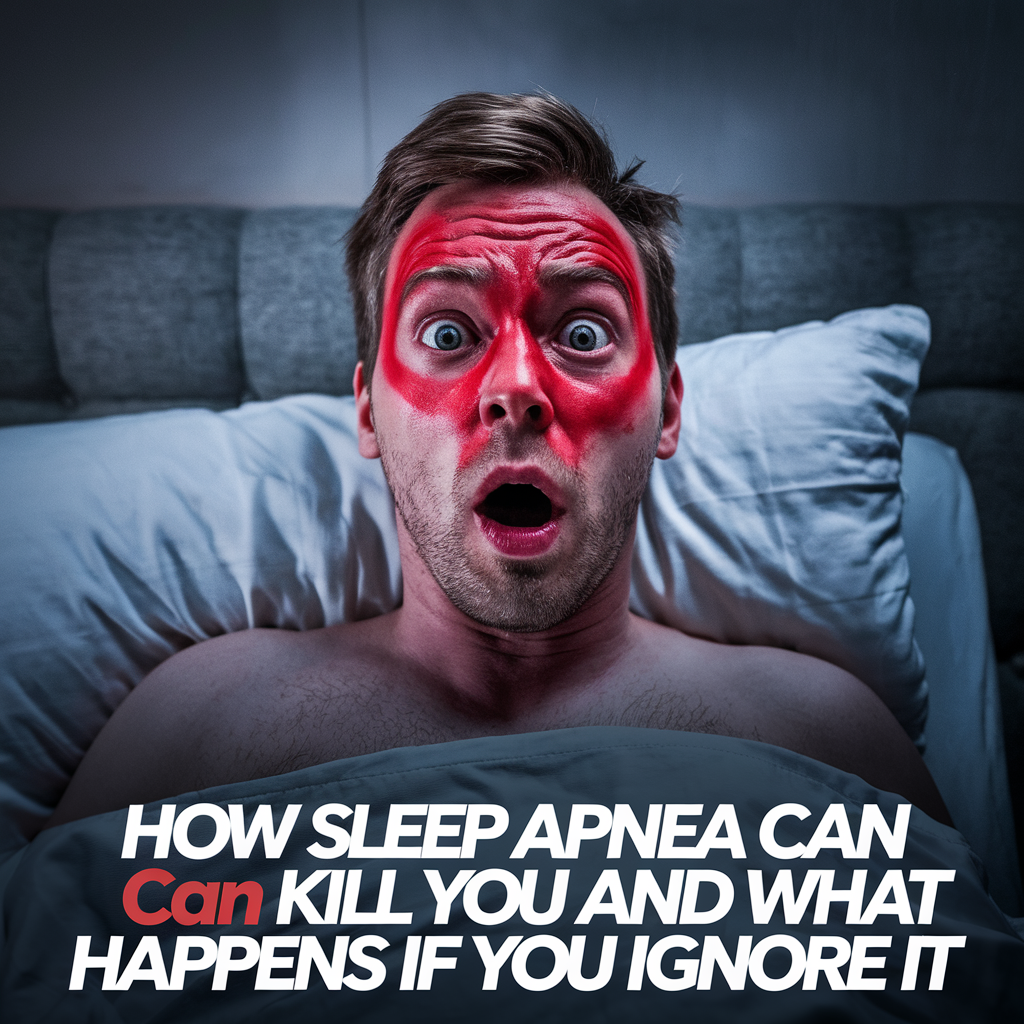
Sleep apnea is not just a sleep inconvenience. Left untreated, it carries serious cardiovascular, metabolic, and neurological consequences — including elevated risk of heart attack, stroke, and hypertension. It’s one of those conditions where early intervention genuinely matters.

What to do: Get evaluated. A sleep study — either in a lab or via a home sleep test — is the definitive diagnostic tool. Home sleep tests have become widely available and affordable, removing most barriers to getting checked. In the meantime, side sleeping significantly reduces apnea events compared to back sleeping — if you’re a back sleeper, this single change can reduce episode frequency meaningfully while you pursue diagnosis. An anti-snoring mouthpiece can also reduce airway restriction in mild to moderate cases.

2. Central Sleep Apnea — A Different Mechanism
While obstructive sleep apnea involves a physical airway blockage, central sleep apnea (CSA) is a neurological issue. The brain simply fails to send the signal to breathe for a period — not because the airway is blocked, but because the respiratory control system misfires.
Central sleep apnea is less common than obstructive apnea but tends to produce more dramatic gasping episodes when it does occur, because there’s no airway obstruction to partially compensate — breathing just stops entirely. It’s more common in people with heart failure, stroke history, high altitude exposure, or those taking certain opioid medications.
The distinction between obstructive and central apnea matters because treatment approaches differ. CPAP, which works well for obstructive apnea, is less effective for central apnea. Specialized adaptive ventilation devices or treatment of the underlying cause are typically required.
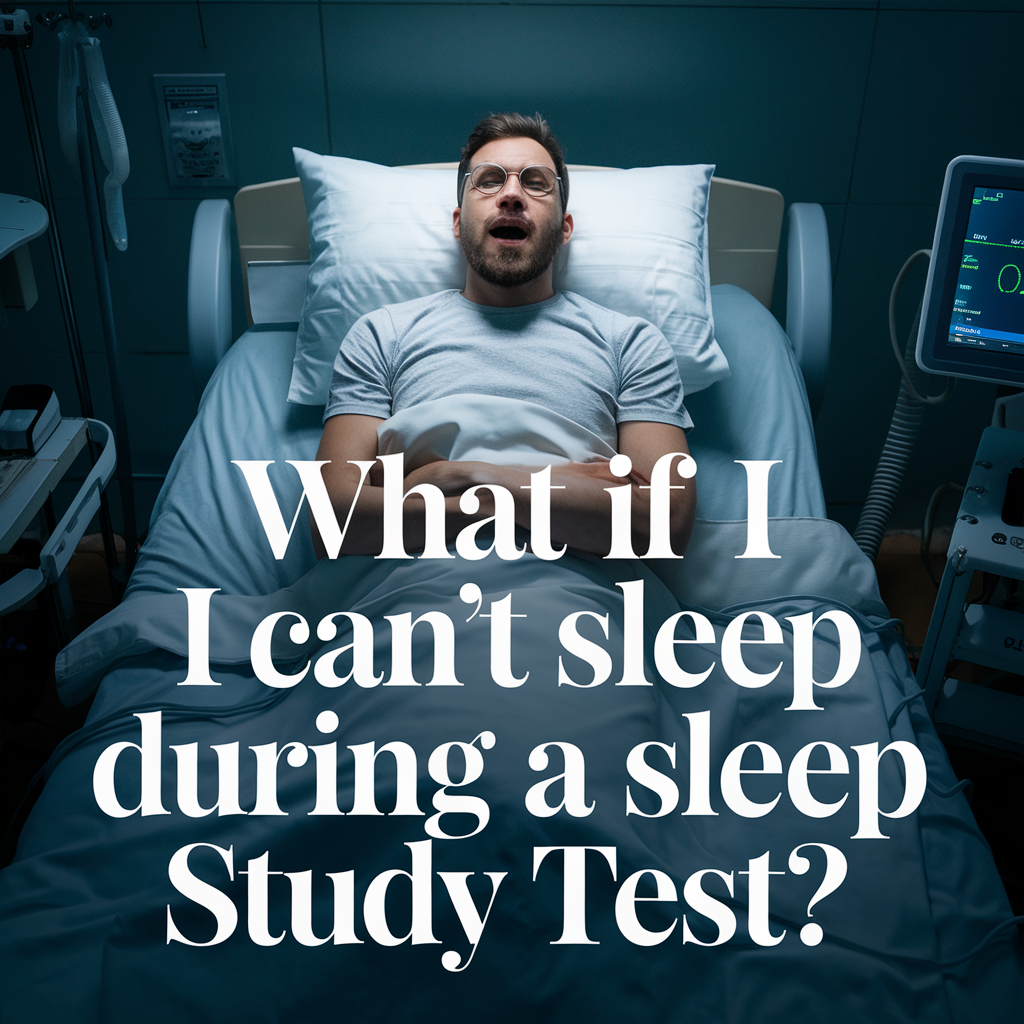
What to do: A formal sleep study distinguishes between the two types and directs appropriate treatment. If you have heart failure, use opioid pain medications regularly, or have had a stroke, flag central apnea specifically when discussing your symptoms with your doctor.
3. Hypnic Jerk With Apnea Component
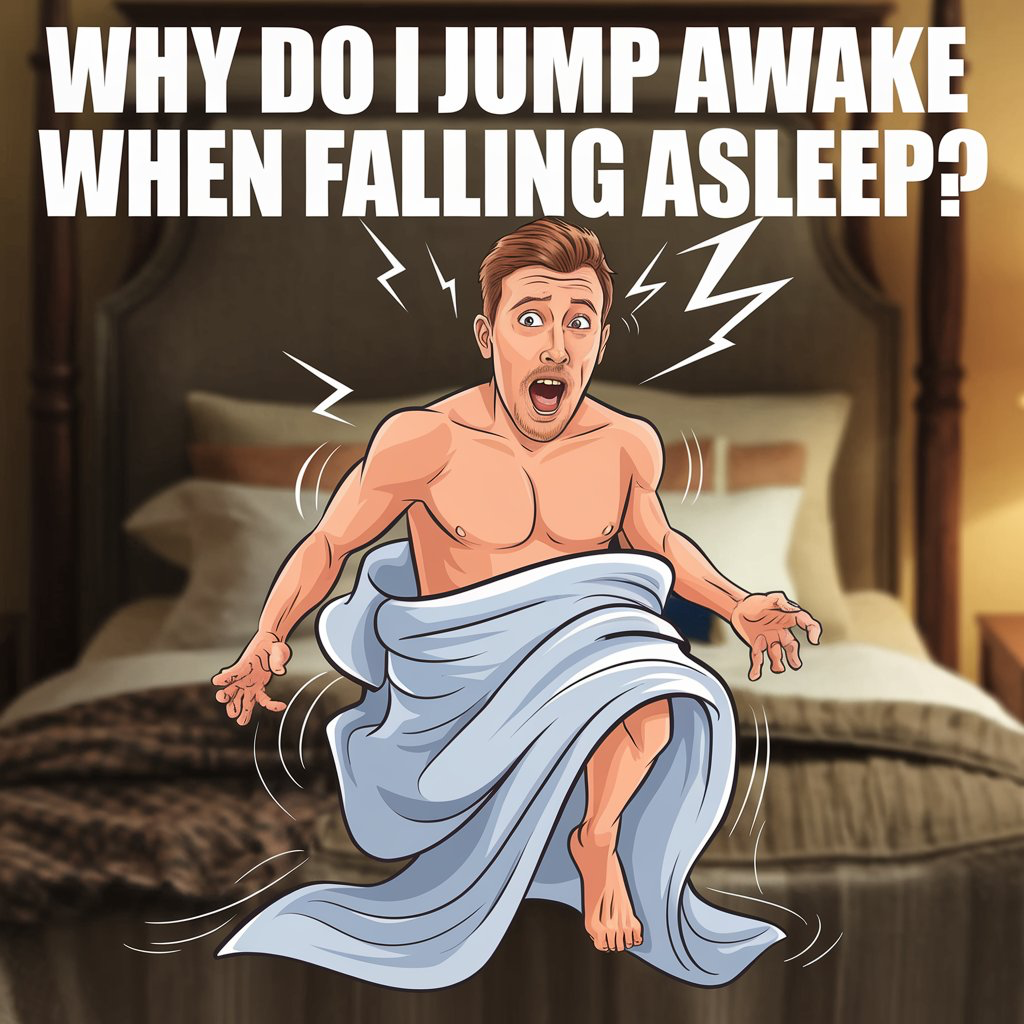
You may already be familiar with the sudden jolt that sometimes happens just as you’re falling asleep — the sensation of falling followed by a full-body twitch that snaps you awake. This is a hypnic jerk, and it’s almost always benign. Hypnic jerks are extremely common and not medically concerning on their own.
However, some people experience a variant where the hypnic jerk is accompanied by a brief sensation of not being able to breathe — a sharp gasp as they snap awake. This isn’t true apnea but can feel very similar to it. The key difference is timing: it happens during the transition into sleep, not in the middle of the night after a period of established sleep.
Hypnic jerks with a respiratory component are more frequent when you’re overtired, under significant stress, or have consumed caffeine too close to bedtime.

What to do: Improve overall sleep hygiene, cut caffeine off earlier in the day, and address sleep deprivation. These events typically reduce significantly once sleep quality and consistency improve.
4. Acid Reflux and GERD
Gastroesophageal reflux disease — GERD — is a frequently overlooked cause of waking up gasping. When stomach acid flows back up the esophagus while you’re lying flat and asleep, it can reach the throat or even partially enter the airway. The resulting irritation triggers a protective reflex that snaps you awake gasping or coughing.
Nighttime GERD is often worse than daytime reflux precisely because lying flat removes gravity’s assistance in keeping stomach contents down, and because the reduced swallowing during sleep means acid lingers in the esophagus longer. Many people with significant nighttime GERD don’t experience the classic daytime heartburn — nighttime gasping or coughing can be the primary symptom.
Clues that GERD may be involved: a sour or burning taste when you wake gasping, a feeling of something in your throat, chronic hoarseness in the morning, or a persistent cough that’s worse at night or in the morning. Cross-referencing with resources about the gut-sleep connection can also be illuminating — nighttime reflux disrupts sleep in ways that go beyond just the gasping episodes, and GERD and insomnia frequently coexist.
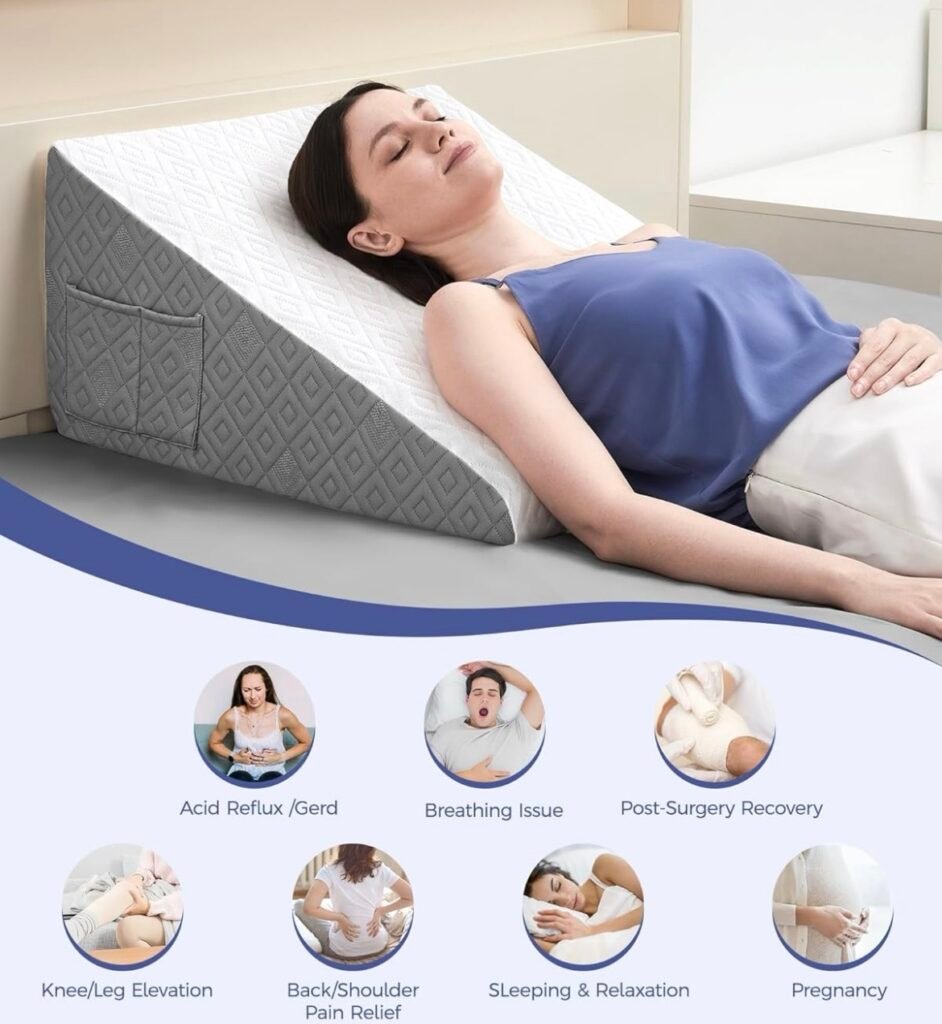
What to do: Elevate the head of your bed 6–8 inches — a wedge pillow works well — so gravity helps keep stomach acid down. Avoid eating within 2–3 hours of bed. Cut back on known reflux triggers: fatty foods, chocolate, alcohol, caffeine, and spicy food in the evening. Over-the-counter antacids provide short-term relief, but persistent GERD warrants proper medical management with a doctor.
5. Anxiety and Panic Attacks During Sleep
Nocturnal panic attacks are a real phenomenon — a panic attack that occurs during sleep, pulling you awake with a racing heart, sense of dread, and difficulty breathing. They’re distinct from nightmares in that you wake from what felt like dreamless sleep into full panic, rather than waking from a frightening dream.
The gasping associated with nocturnal panic is driven by the hyperventilation that accompanies the panic response — breathing becomes rapid and shallow, CO2 levels drop, and the resulting physiological changes produce the sensation of not being able to catch your breath even though your airway is completely clear.

People who experience anxiety that affects their sleep are at higher risk for nocturnal panic. And the cycle can be self-reinforcing — the fear of having a panic attack during sleep creates anxiety about bedtime, which increases overall anxiety, which increases panic attack risk.
The distinction from apnea: in nocturnal panic, the heart racing, dread, and full panic response are prominent features alongside the breathing difficulty. With apnea, you typically gasp, orient yourself, and the episode is over — you don’t usually feel prolonged terror or racing thoughts in the way a panic attack produces.

What to do: Nocturnal panic attacks respond well to the same treatments as daytime panic — cognitive behavioral therapy (CBT), particularly CBT-I (for insomnia), is highly effective. Managing overall stress load reduces baseline anxiety that fuels nighttime panic. If attacks are frequent or severe, working with a mental health professional is the most effective path forward.
6. Sleep-Related Laryngospasm
Laryngospasm is an involuntary spasm of the vocal cords that briefly closes the airway completely. During sleep, this produces a sudden, terrifying sensation of being completely unable to breathe — often accompanied by a high-pitched stridor sound as air tries to force past the closed cords, or complete silence followed by a desperate gasp when the spasm releases.
Episodes typically last only 30–60 seconds, but they are among the most frightening sleep events a person can experience — many people describe thinking they were going to die during the episode. The spasm releases on its own as the body’s hypoxic drive overrides it.
Sleep-related laryngospasm is associated with GERD (acid irritating the airway), sleep apnea, and stress. It can also occur in isolation with no clear underlying cause.
What to do: Addressing GERD and sleep apnea resolves laryngospasm in many cases since both conditions can trigger the reflex. Staying calm during an episode — difficult as that is — helps the spasm release faster. Breathing slowly through the nose rather than trying to force air through the mouth can be effective. If episodes are recurring, an ENT (ear, nose, and throat specialist) evaluation is appropriate.
7. Heart Conditions — Paroxysmal Nocturnal Dyspnea
Paroxysmal nocturnal dyspnea (PND) is a specific type of nighttime breathlessness caused by heart failure or other cardiac conditions. When the heart isn’t pumping effectively, fluid can accumulate in the lungs — a condition called pulmonary edema. Lying flat redistributes fluid and increases the amount reaching the lungs, which builds during sleep until you wake gasping, often 1–2 hours after falling asleep, needing to sit upright to breathe.
PND is distinguished from sleep apnea by its pattern: the gasping occurs after a period of sleep (not throughout the night repeatedly), is relieved by sitting or standing upright, and is often accompanied by other signs of heart failure — leg swelling, persistent fatigue, shortness of breath with exertion during the day, and a cough that produces pink or frothy fluid.
This is a medical emergency pattern. If these symptoms describe your experience — particularly if you’re older, have a history of heart disease, or have been told your heart isn’t functioning optimally — this needs urgent medical evaluation.
What to do: See a doctor urgently. Do not self-manage this pattern of symptoms. PND is a sign of cardiac decompensation that needs medical treatment. Sleeping with the head of the bed elevated may provide temporary relief but is not a substitute for proper cardiac evaluation and management.
8. Asthma — Nocturnal Attacks
Asthma symptoms follow a circadian pattern — they’re typically worst between 2am and 4am due to natural dips in cortisol, changes in airway inflammation, and the effects of lying flat on mucus distribution. People with asthma may experience significant nighttime episodes that pull them awake wheezing and gasping even if their daytime asthma seems well controlled.
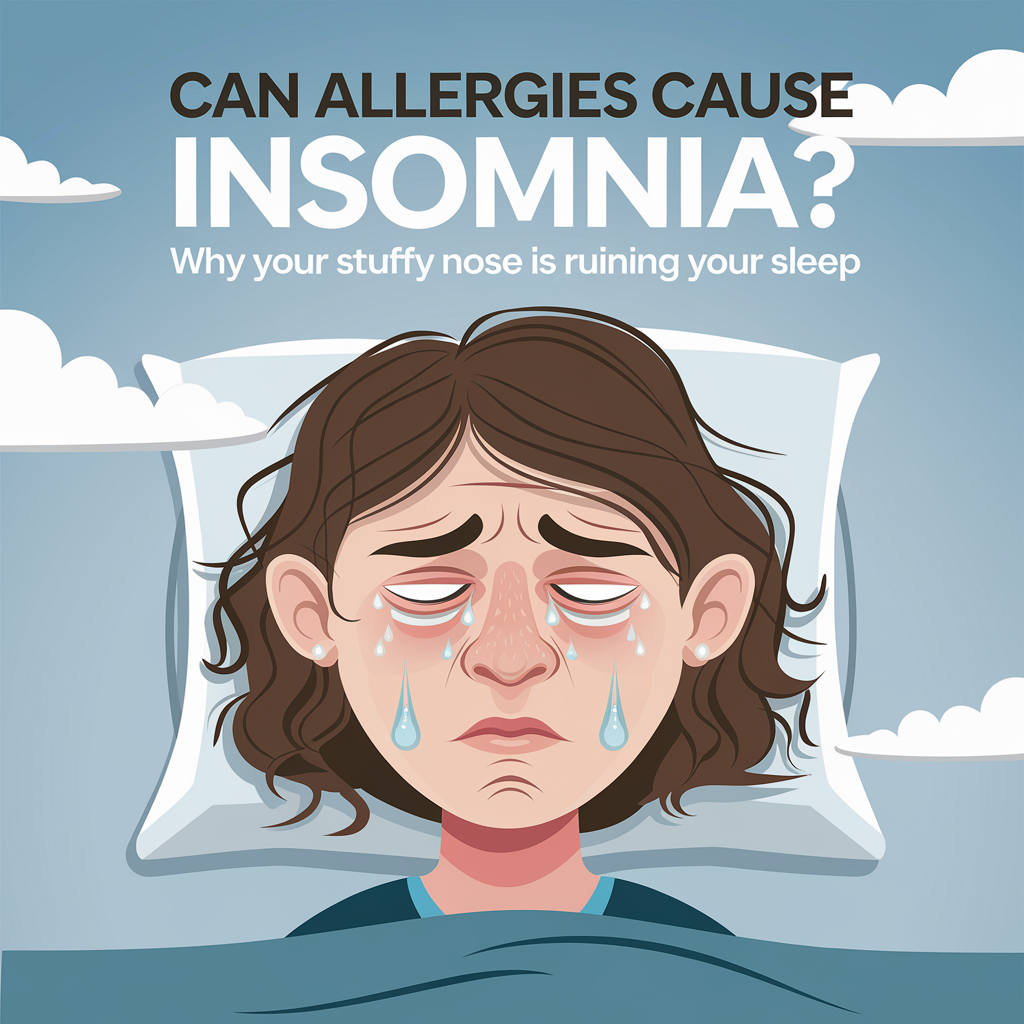
Bedroom allergens are a major trigger for nocturnal asthma — dust mites, pet dander, and mold all peak in the bedroom environment where you spend 8 hours breathing. Allergens that affect breathing at night cause more than just congestion — they directly trigger airway inflammation in people with asthma.
What to do: Ensure your asthma medication regimen includes a long-acting controller medication, not just a rescue inhaler — if you’re relying solely on rescue inhaler use at night, your overall asthma management needs reassessment. Reduce bedroom allergens aggressively: allergen-proof mattress and pillow covers, regular washing of bedding in hot water, removing carpet from the bedroom, and keeping pets out of the sleeping space. A high-quality air purifier in the bedroom can significantly reduce airborne triggers.
9. Vivid Nightmares and REM Sleep Behavior
Extremely vivid, terrifying nightmares can produce a gasping wake-up as the content of the dream triggers a full fear response. This is distinct from sleep paralysis — in nightmare-triggered gasping, you wake fully and the gasping is accompanied by clear dream recall and emotional distress.
REM sleep behavior disorder (RBD) — where the normal muscle paralysis of REM sleep is absent, allowing you to physically act out dreams — can also produce gasping if the dream content involves being choked, suffocated, or physically threatened.
Stress, trauma, certain medications (particularly some antidepressants), and sleep deprivation all increase nightmare intensity and frequency. An overactive brain at night is fertile ground for intense, disruptive dreaming.
What to do: Address the underlying stress or trauma with appropriate support. Image rehearsal therapy (IRT) is an evidence-based treatment for recurrent nightmares. If REM sleep behavior disorder is suspected — especially in older adults — neurological evaluation is important as it can be an early marker of certain neurological conditions.
How to Tell What’s Causing Your Gasping
The pattern and associated symptoms help narrow it down before you see a doctor:
- Gasping multiple times throughout the night, snoring, dry mouth, exhaustion: Obstructive sleep apnea
- Gasping with sour taste, burning throat, coughing: GERD or laryngospasm triggered by reflux
- Gasping with racing heart, dread, panic: Nocturnal panic attack
- Gasping 1–2 hours after sleep onset, relieved by sitting up, leg swelling: Cardiac — see a doctor urgently
- Gasping with wheezing, history of asthma or allergies: Nocturnal asthma
- Gasping during the transition into sleep only: Hypnic jerk with respiratory component
- Gasping from a vivid bad dream: Nightmare — not a breathing disorder
When to Seek Help Immediately
Some causes of waking up gasping are genuinely urgent. Go to the emergency room or call emergency services if gasping episodes are accompanied by:
- Chest pain or pressure
- Pain radiating to the arm, jaw, or back
- Blue-tinged lips or fingertips
- Leg swelling alongside breathing difficulty
- Confusion or difficulty speaking when waking
- A feeling that your heart is racing or beating irregularly alongside the breathing difficulty
These symptom combinations suggest cardiac or severe respiratory causes that need emergency evaluation, not a sleep appointment next week.
The Bottom Line
Waking up gasping for air is your body’s emergency system activating — something has triggered it, and it’s worth figuring out what. Sleep apnea accounts for the majority of cases and is both highly treatable and important to address for long-term health. GERD, anxiety, and asthma cover much of the remainder.
Don’t normalize gasping awake as just part of how you sleep. It isn’t. Get evaluated, identify the cause, and address it — because beyond the frightening episodes themselves, most of these conditions are doing damage to your sleep quality and health every single night they go untreated.
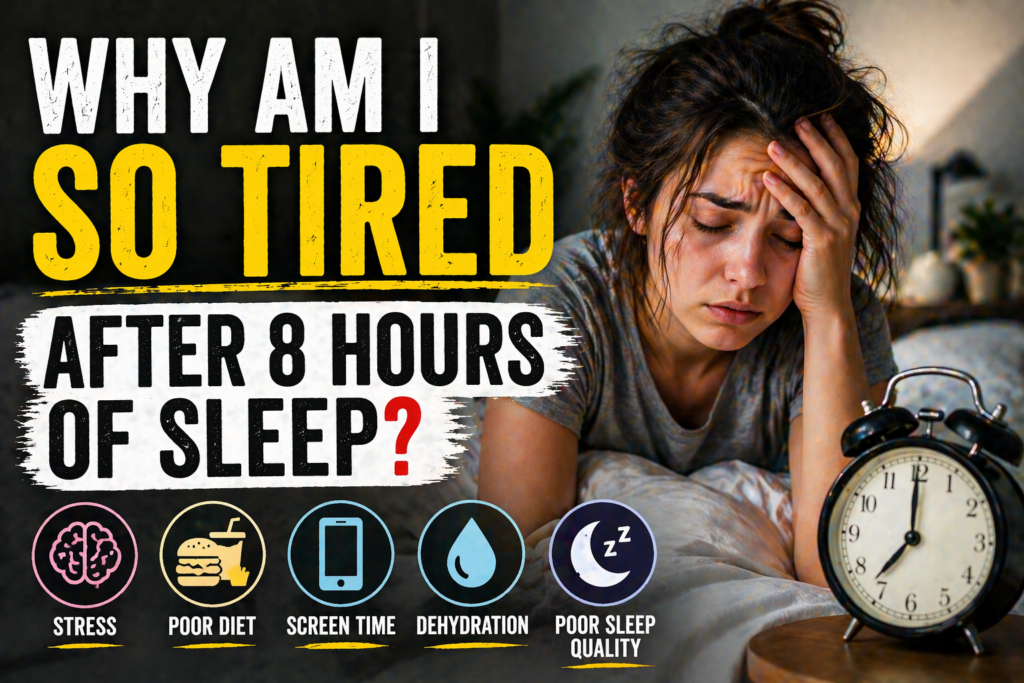
If you’re also waking up exhausted, night sweating, or experiencing other symptoms alongside the gasping, those often point to the same root cause. Start with why sleep isn’t restoring you and why you might be waking up sweating — together, the pattern usually becomes clear. And if you’ve been putting off a sleep study, here’s what they actually cost and what to expect.
Frequently Asked Questions
Is waking up gasping for air dangerous?
It depends on the cause. Sleep apnea — the most common cause — is not immediately dangerous in a single episode but carries serious long-term health risks if untreated. Cardiac causes like paroxysmal nocturnal dyspnea can indicate a medical emergency. Any gasping accompanied by chest pain, blue lips, or leg swelling warrants immediate emergency care.
Can anxiety cause you to wake up gasping for air?
Yes. Nocturnal panic attacks produce gasping and breathlessness alongside a full panic response. The hyperventilation that accompanies panic drops CO2 levels, creating a sensation of not being able to breathe despite a clear airway. Nocturnal panic is more common in people with existing anxiety disorders.
How do I know if my gasping is from sleep apnea?
Sleep apnea gasping typically occurs multiple times through the night, is often accompanied by snoring, and leaves you exhausted and foggy in the morning despite adequate hours. A bed partner observing you stop breathing is a strong indicator. A sleep study provides definitive diagnosis — home sleep tests are now widely available.
Can GERD make you wake up gasping?
Yes. Stomach acid reaching the throat or airway during sleep triggers a protective reflex that snaps you awake gasping or coughing. Nighttime GERD can present with gasping as a primary symptom even without prominent daytime heartburn. A sour taste or burning sensation when you wake is a key indicator.
Why do I only gasp when falling asleep and not in the middle of the night?
Gasping that occurs specifically during the transition into sleep — rather than after a period of established sleep — is most likely a hypnic jerk with a respiratory component. This is a benign startle response during the sleep-onset transition and is distinct from sleep apnea, which occurs during established sleep.
Should I see a doctor if I wake up gasping?
Yes, especially if it’s happening regularly. A single episode may be a one-off event, but recurring gasping warrants evaluation. Sleep apnea in particular is significantly underdiagnosed and carries serious long-term consequences that make early treatment genuinely worthwhile.
About the Author: Marcus J. Webb
Marcus covers sleep disorders, sleep science, and the physiological mechanisms behind what goes wrong during sleep. With a background in science writing and a personal history of undiagnosed sleep apnea for several years, he brings both research depth and firsthand understanding to the topic of nighttime breathing disorders. He writes for people who want real answers, not just reassurance.
As an Amazon Associate we earn from qualifying purchases through some links in our articles.