
What Finally Helped Me Fall Asleep Again
For a long time, insomnia owned my nights. I’d be exhausted, eyes burning, body tired, yet my brain refused to shut down. If you’re reading this, you probably know that feeling all too well. That’s exactly why I started experimenting with sleep music for insomnia, and honestly, it’s one of the few things that actually made a noticeable difference for me.
This isn’t about miracle cures or gimmicks. It’s about using sound in a way that calms your nervous system, slows your thoughts, and helps your body feel safe enough to sleep again. I ended up creating my own sleep music videos because I couldn’t find consistent ones that didn’t wake me up halfway through the night.
Why Does Insomnia Make Falling Asleep So Hard?
One of the most frustrating parts of insomnia is that the more tired you are, the harder it becomes to fall asleep. Your body is exhausted, but your brain is stuck in overdrive. That’s not a personal failure. It’s biology.
Insomnia often keeps your stress hormones elevated at night, especially cortisol. When that happens, your body stays in alert mode instead of rest mode. I noticed that silence actually made this worse for me because my thoughts became louder.
That’s where sleep music for insomnia starts to shine. It gives your brain something gentle to focus on instead of spiraling thoughts.
How Sleep Music for Insomnia Actually Works
I used to be skeptical. Music felt like something that would keep me awake, not help me sleep. But sleep music is different from regular music.
Here’s what I learned works best:
- Slow tempos that match relaxed breathing
- No lyrics so your brain doesn’t try to follow words
- Consistent volume with no sudden changes
- Repetitive patterns that signal safety to the brain
When all of that comes together, your nervous system finally starts to downshift. That’s why sleep music for insomniacan feel calming within just a few minutes if it’s done right.

Why I Started Using Sleep Music Instead of Silence
Silence sounds peaceful in theory, but for me, it was brutal. Every tiny noise felt amplified. My mind filled the quiet with worries, to-do lists, and random thoughts from years ago.
Sleep music changed that dynamic. Instead of listening to my thoughts, I was listening to something steady and predictable. That predictability is important when insomnia makes your brain feel out of control.
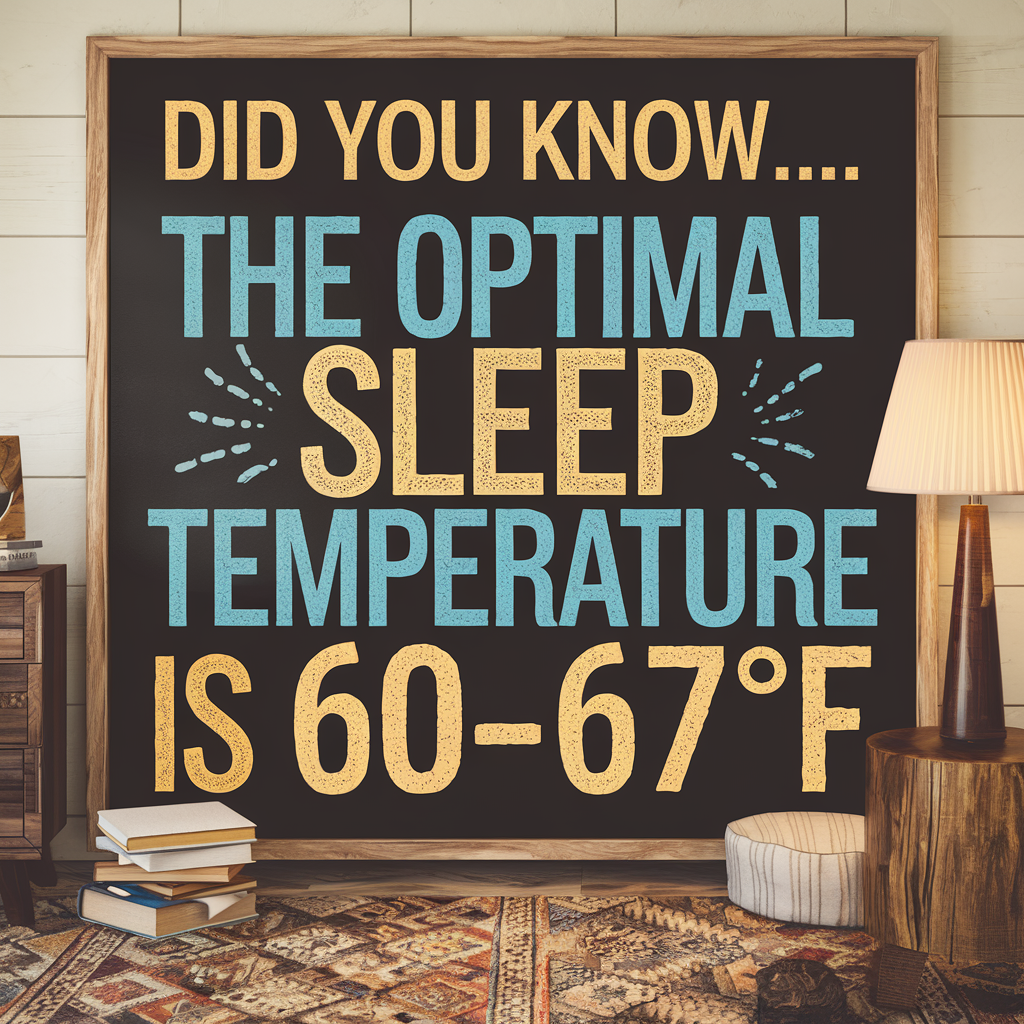
I also noticed it worked even better when my room was cooler. Cooler temperatures support melatonin production, which pairs perfectly with calming audio. If you want the exact range, here’s my post on the best sleep temperature: Best sleep temperature (60 to 68°F)
The Best Types of Sleep Music for Insomnia
Not all sleep music works the same way. Through trial and error, here’s what helped me the most.
Ambient and Atmospheric Sleep Music
This is my go-to when my brain won’t slow down. Ambient sleep music has long, floating tones that don’t demand attention. It feels like mental static slowly fading away.
This type of sleep music for insomnia works especially well if you deal with racing thoughts. If that’s you, this one hits home: Why my brain races at night and what finally helped
Rain and Nature Sleep Sounds
Rain sounds are incredible for masking background noise and calming the nervous system. They create a steady rhythm that your brain can relax into.
If you want a simple “press play and relax” option, I put together this free one-hour page: Best sleep sounds for deep sleep (free 1-hour video)
Soft Piano and Gentle Melodies
Piano is more emotional, but when done softly, it can be incredibly soothing. I use piano-based sleep music on nights when anxiety is high but I still want something comforting.
If anxiety is the main issue, this will help too: Can’t sleep because of anxiety at night, try this instead
How I Use Sleep Music for Insomnia Every Night
I didn’t just hit play and hope for the best. I built a simple routine around it.
Here’s what works for me:
- I start the sleep music about 10 minutes before getting into bed
- Lights are dim or off completely
- Volume is low enough to blend into the room
- I let the track loop so it doesn’t stop abruptly
Consistency matters. Once your brain associates that sound with sleep, it starts responding faster. That’s when sleep music for insomnia becomes a real tool instead of just background noise.
If you want the routine that made the biggest difference for me, here it is: Sleep hygiene tips that actually worked for me
What to Avoid When Using Sleep Music
I made plenty of mistakes early on. These are the biggest ones.
- Music with lyrics
- Tracks with sudden sound changes
- Volume that’s too loud
- Short videos that stop mid-sleep
Any of these can jolt you awake and undo the calming effect. That’s why I create longer sleep music videos designed specifically for insomnia instead of general relaxation.
Can Sleep Music Replace Sleep Medication?
I’m not anti-medication, but I personally wanted something natural that didn’t leave me groggy. Sleep music doesn’t force sleep. It supports your body’s natural ability to rest.
For me, sleep music for insomnia became part of a bigger solution. Temperature, light, stress levels, and routine all matter. Music is the bridge that helps everything else work better together.
Final Thoughts on Sleep Music for Insomnia
Insomnia is exhausting, frustrating, and isolating. I’ve lived it. Sleep music for insomnia didn’t magically fix everything overnight, but it gave me something I desperately needed: a way to calm my mind when nothing else worked.
If you’re lying awake night after night, start small. Pick one sleep music track. Keep your room cool. Lower the lights. Let your brain breathe for a minute.
Sometimes, that’s all it needs to finally let go and rest.
As an Amazon Associate we earn from qualifying purchases through some links in our articles.